
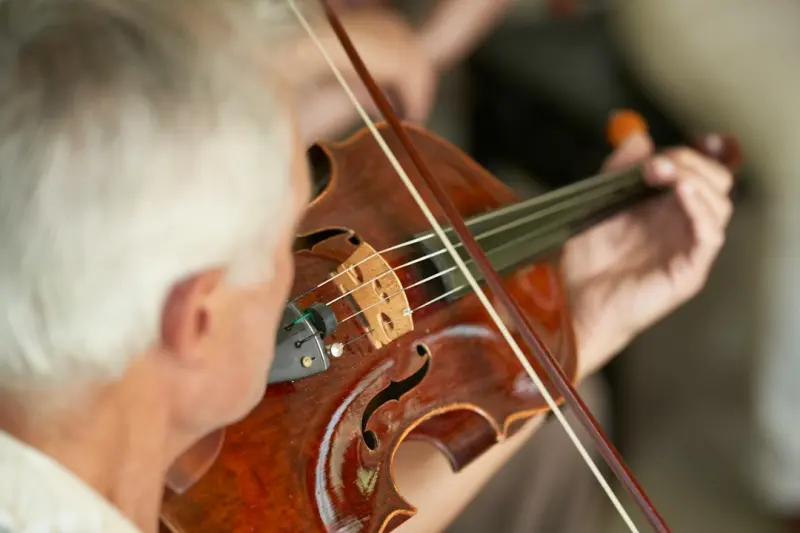
Finding the Rhythm of Well‑Being in Later Life
When I first walked into a senior community center and heard a group of residents sway to a classic jazz tune, I felt an unexpected surge of energy. It wasn’t just the music; it was the way their faces lit up, the spontaneous laughter, and the gentle tapping of feet that seemed to rewrite the narrative of aging for me. As someone who’s spent years writing about health trends, I realized that the soundtrack we choose can be a powerful prescription for seniors—one that doesn’t require a pill bottle or a pricey gadget.
Why Sound Connects to Health at Any Age
Scientists have long known that the auditory system is one of the most direct pathways to the brain. Sound waves travel through the ear, trigger neural firing, and release neurotransmitters that shape mood, memory, and movement. For older adults, who may be dealing with changes in vision, mobility, or social networks, hearing offers a unique portal to stay mentally engaged and physically active.
Research shows that regular exposure to rhythm and melody can:
- Boost cognitive flexibility by challenging the brain to predict beats and patterns.
- Elevate mood through the release of dopamine and serotonin, which are often lower in later years.
- Support cardiovascular health by encouraging gentle movement that raises heart rate without strain.
- Improve sleep quality when soothing sounds replace disruptive ambient noise.
The Science of Musical Memory
One of the most enchanting phenomena in gerontology is the “reminiscence bump.” People over 65 often recall songs from their teens and twenties with vivid clarity, even when other memories fade. This is because the brain encodes music alongside strong emotional contexts, creating robust, long‑lasting neural pathways.
When seniors listen to a familiar tune, the hippocampus—the region responsible for memory formation—lights up almost instantly. This activation can be a gentle workout for a brain that might otherwise be idle, helping to preserve recall abilities and even slowing the progression of mild cognitive impairment.
From Passive Listening to Active Participation
Listening is only the first step. Engaging with music actively—whether by singing, clapping, playing a simple instrument, or moving to the beat—magnifies the health benefits. Here’s how to transition from background music to a participatory practice:
- Sing‑Along Sessions: Choose songs with clear, repetitive lyrics. Group sing‑alongs foster social bonds while exercising respiratory muscles.
- Rhythmic Movement: Simple steps, seated marching, or gentle swaying can improve balance and joint flexibility. Pair these movements with a metronome or a favorite drum beat.
- Instrument Exploration: Hand percussion (like tambourines or shakers) or ukuleles are low‑learning‑curve options that give tactile feedback and a sense of achievement.
- Music‑Guided Meditation: Ambient soundscapes or nature recordings can lead to deeper relaxation, lowering cortisol levels and supporting immune function.
Designing a Personal Soundtrack for Daily Life
Creating a sustainable music routine doesn’t mean filling every hour with playlists. The goal is to weave sound into existing habits, turning ordinary moments into mini‑wellness sessions.
- Morning Boost: Start the day with an uplifting melody that matches the sunrise. A 10‑minute “wake‑up jam” can set a positive tone for the day ahead.
- Meal‑Time Harmony: Pair dinner with gentle instrumental music. It encourages mindful eating and can improve digestion by promoting relaxation.
- Evening Wind‑Down: Choose slower tempos and lower frequencies to signal the body it’s time to rest. Consider a short guided sound meditation before bed.
For those who wonder how to keep the experience fresh, think of music as a curiosity‑driven approach to staying sharp. Explore new genres, revisit forgotten vinyl collections, or discover cultural rhythms from around the world. The novelty itself becomes a cognitive stimulus.
Integrating Sound with Physical Health Strategies
Music works best when it complements other health practices. For seniors focusing on joint health, a low‑impact dance routine set to a steady beat can improve range of motion without overloading cartilage. For those managing blood pressure, rhythmic breathing exercises timed to calming melodies can help maintain a steady heart rate.
In addition, staying hydrated enhances auditory perception. Dehydration can thicken the fluid surrounding inner‑ear hair cells, diminishing sound clarity. A simple reminder to sip water throughout the day—perhaps while waiting for a song to start—keeps the auditory system in top shape. Learn more about the benefits of mindful hydration and its subtle influence on overall vitality.
Social Benefits: Building Community Through Shared Beats
One of the most profound advantages of musical activities is the sense of belonging they foster. When a group of seniors gathers around a piano or a communal speaker, they create a shared narrative that transcends age, health status, or cultural background. This collective experience combats loneliness—a risk factor that has been linked to higher rates of chronic disease, depression, and cognitive decline.
Organize “Music Mornings” at local libraries, senior centers, or even virtual rooms. Encourage participants to bring a song that holds personal meaning and share the story behind it. These moments become oral histories, weaving personal identity into the fabric of community life.
Technology: A Gentle Ally, Not a Replacement
While high‑tech wearables dominate many health discussions, seniors often benefit more from straightforward tools. Bluetooth speakers, simple music apps with large icons, and voice‑activated assistants can make accessing favorite tunes effortless. The aim is to remove friction, not to overwhelm with data dashboards.
If you’re comfortable experimenting, try pairing a speaker with a motion sensor that triggers a favorite song when someone stands up—turning a routine movement into a celebratory moment. This subtle cue can reinforce positive behavior and add a layer of fun to daily chores.
Addressing Common Concerns
“I can’t hear well enough to enjoy music.” Modern hearing aids often feature streaming capabilities, allowing direct connection to audio sources. Even low‑cost over‑the‑ear amplifiers can make a noticeable difference.
“I don’t know how to play an instrument.” That’s perfectly fine. Many community programs offer beginner workshops using inexpensive, ergonomic instruments designed for older hands. The focus is on rhythm and enjoyment, not virtuosity.
“I’m not tech‑savvy.” Start with a single device—perhaps a radio with preset stations—and gradually explore streaming services that offer curated playlists for seniors, such as “Golden Oldies” or “Relaxing Nature Sounds.”
Measuring the Impact
While the benefits of music are largely experiential, you can track progress with simple metrics:
- Note mood changes before and after a music session using a 1‑10 scale.
- Record the number of steps taken during rhythmic movement activities.
- Track sleep latency on nights when you incorporate sound‑guided relaxation.
Over weeks, these observations can reveal patterns, reinforcing the practice and providing a sense of accomplishment.
Getting Started: A 7‑Day Music Kick‑Start Plan
Here’s a practical roadmap to integrate music into your week without feeling overwhelmed:
| Day | Activity | Duration |
|---|---|---|
| Monday | Morning upbeat playlist while preparing breakfast | 10 min |
| Tuesday | Evening gentle guitar strumming (or listening) before bed | 15 min |
| Wednesday | Group sing‑along at community center | 30 min |
| Thursday | Walking in place to a steady rhythm | 12 min |
| Friday | Explore a new genre (e.g., Brazilian bossa nova) | 20 min |
| Saturday | Family members share their favorite song and story | 25 min |
| Sunday | Guided meditation with nature sounds | 10 min |
Adjust timing to fit personal preferences and gradually increase as comfort grows. The key is consistency, not intensity.
Conclusion: Let the Music Play On
In my experience, the most enduring health interventions are those that feel like celebrations rather than obligations. Music offers a timeless, accessible, and joy‑filled pathway to improve cognition, mood, and physical function for seniors. By listening actively, moving with intention, and sharing melodies with others, older adults can rewrite the script of aging—turning each day into a harmonious blend of mind, body, and spirit.
Sarah Gray is a proud Canadian who calls Brampton home, where she lives with her husband, Paul. A passionate home cook and gifted storyteller, Sarah loves creating delicious recipes and sharing stories inspired by everyday life, family, and cherished experiences. When she isn't experimenting in the kitchen, she's busy crafting engaging content that reflects her warmth, creativity, and love of connection. Above all, Sarah treasures time spent with her grandchildren, embracing every opportunity to create lasting memories with the people she loves most.
Related Posts

How Smart Pillboxes Are Redefining Senior Independence
Smart pillboxes turn medication management into a confidence‑boosting routine, offering reminders,... Read More

Rediscovering Joy: A Fresh Playbook for Senior Well‑Being
A warm, guide‑style article offering seniors and their families actionable ideas—from home tweak... Read More

Crafting Longevity: How Hands‑On Hobbies Reinvent Senior Health
Hands‑on hobbies provide seniors with a low‑impact, brain‑stimulating, socially engaging way t... Read More
Top Posts
When Performance Metrics Meet Eating Disorder Recovery
A deep‑dive into how corporate performance metrics can unintentionally fuel eating disorders—and how the same data tools can be repurposed to create a suppo...Read More

The Hidden Levers of Muscle Growth: A Science‑First Playbook
Discover how to supercharge muscle gain by mastering the mind‑muscle connection, strategic periodization, nutrient pairing, temperature‑based recovery, and ...Read More
Unlocking Hidden Hypertrophy: A Neuro‑Mindful Blueprint for Muscle Gain
A fresh, neuro‑focused strategy for building muscle that goes beyond reps, integrating brain‑muscle link, micronutrients, sleep optimization, and tech‑dri...Read More

Sculpting Strength with Rhythm: Aligning Workouts to Your Body Clock
Learn how aligning your workout schedule with your body’s natural clock can amplify muscle growth, enhance recovery, and unlock hidden strength gains....Read More
0 Comments
Post Comment
You will need to Login or Register to comment on this post!