
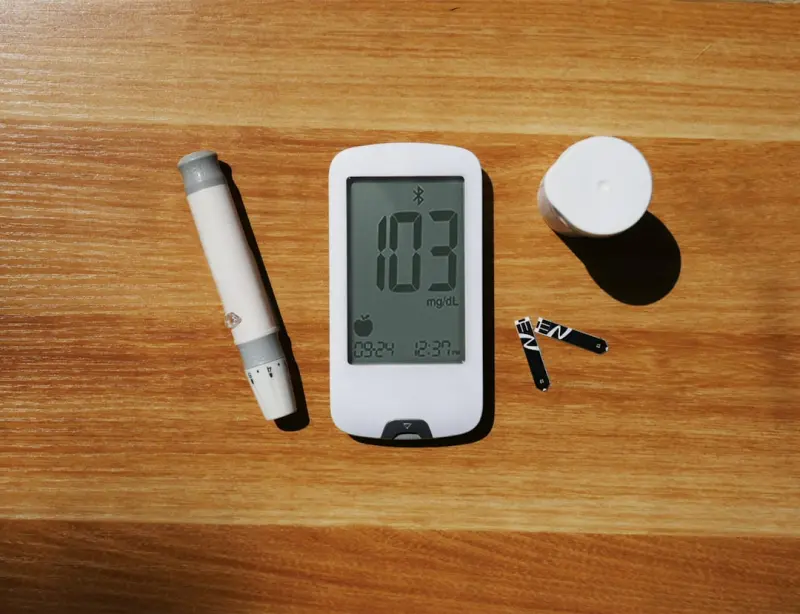
The Pre‑Diabetes Playbook: Micro‑Movement, Metabolic Reset, and Insurance Leverage
When I first got the “prediabetes” label, my reaction was the classic mix of denial and curiosity. I’d read the headlines—“You’re one step from diabetes!”—and felt the pressure to overhaul everything overnight. Instead of succumbing to a panic‑driven diet, I decided to treat prediabetes like a systems problem: a cascade of signals, habits, and incentives that, when tweaked together, can flip the trajectory.
In the months that followed, I built a playbook that blends three seemingly unrelated levers: micro‑movement patterns that keep glucose in check, a metabolic reset that restores the body’s internal fire, and a strategic use of health‑insurance resources to turn paperwork into a personal health coach. The result? A measurable dip in fasting glucose, more energy, and a sense of agency that no generic “cut carbs” advice could provide.
Why “Micro‑Movement” Beats the Marathon‑Style Exercise Myth
Most advice on prediabetes management defaults to the classic 30‑minutes of cardio, five days a week script. While there’s value in sustained aerobic activity, the research on variable movement patterns suggests that the body responds more favorably to frequent, low‑intensity bursts spread throughout the day. Think of your muscles as a series of micro‑engines that, when kept turning, maintain higher insulin sensitivity.
- Frequent post‑meal walks (5–10 minutes) trigger a gentle insulin release, smoothing the glucose spike that typically follows a meal.
- Standing‑desk intervals—set a timer to stand for 2 minutes every 30 minutes—keep the skeletal muscles contracting, which acts as a constant glucose sink.
- Micro‑strength circuits (body‑weight squats, calf raises, or wall push‑ups) for 30 seconds every hour can preserve muscle glycogen stores and improve GLUT‑4 translocation.
These micro‑movements are low‑impact, adaptable to office chairs or living‑room sofas, and crucially, they sidestep the intimidation factor of a “gym‑only” mindset. Over a typical workday, you might rack up 60–90 minutes of movement without ever scheduling a formal workout session.
Metabolic Reset: Resetting the Internal Fire, Not Just Cutting Sugar
Let’s get honest: “cutting sugar” is a vague directive that often leads to a temporary dip in cravings, followed by a rebound. The deeper issue for many with prediabetes is a dulled metabolic fire—what I call the inner furnace. This furnace is fueled by the liver, the gut microbiome, and the mitochondria in every cell.
Two tactics have worked wonders for me:
- Strategic fasting windows—a 12‑hour overnight fast (e.g., 8 PM to 8 AM) combined with a 14‑hour fast on two non‑consecutive days per week. This doesn’t mean starving; it simply limits the eating window, giving the liver time to process stored glycogen and ramp up gluconeogenesis in a controlled way.
- Targeted nutrient timing—pairing a modest amount of protein (15‑20 g) with fiber-rich carbs (like berries or steel‑cut oats) at the start of a meal blunts the glycemic surge and sustains satiety longer. Adding a pinch of healthy fats (extra‑virgin olive oil, nuts) further slows glucose entry into the bloodstream.
When you pair these strategies with the micro‑movement habits above, the result is a synergistic effect: the liver gets the “breathing room” it needs, muscles are primed to take up glucose, and the gut microbiota—especially the fiber‑fermenting species—produce short‑chain fatty acids that improve insulin signaling.
Turning Health Insurance Into a Real‑World Coach
Most of us treat health insurance as a passive safety net. I decided to flip that script after a frustrating call with a benefits administrator. The insight: many plans include programs that can be activated—virtual dietitian sessions, continuous glucose monitoring (CGM) devices, wellness incentives, even a “health‑coach” hotline. If you navigate the bureaucracy, you can essentially outsource part of the prediabetes management to your insurer.
Here’s how I did it, and how you can replicate the process:
- Audit your benefits—log into your member portal and look for “wellness rewards,” “diabetes prevention,” or “preventive care services.” Some carriers provide up to 12 free CGM days per year.
- Schedule a preventive care visit—most plans cover a baseline HbA1c test and a counseling session with a registered dietitian. Use the appointment to get a personalized nutrition plan that aligns with the micro‑movement and fasting strategies discussed.
- Enroll in incentive programs—many employers partner with apps that track steps, sleep, and food logs. Accumulating points can lead to gift cards, lower premiums, or even “cash‑back” on health‑related purchases.
- Leverage tele‑health—the pandemic accelerated virtual appointments. Use them for quick check‑ins with a health coach, reducing the friction of scheduling in‑person visits.
In short, treating your insurance policy as an active ally can shave weeks off the time it takes to see measurable improvements in fasting glucose and, more importantly, keep you accountable without additional cost.
Integrating the Three Levers: A Sample 7‑Day Blueprint
Below is a concrete example that merges micro‑movement, metabolic reset, and insurance‑leveraged resources. Feel free to adjust the timing to fit your schedule.
| Day | Morning (6‑9 am) | Midday (12‑2 pm) | Evening (5‑9 pm) |
|---|---|---|---|
| Mon |
|
|
|
| Tue |
|
|
|
This structure may look detailed, but each component is a “micro‑choice.” Over a month, the cumulative impact is a measurable improvement in insulin sensitivity, lower post‑prandial glucose spikes, and a reduction in the anxiety that often accompanies prediabetes diagnoses.
The Science‑Backed Benefits of the Micro‑Approach
Recent studies in metabolic physiology highlight three mechanisms that align perfectly with the blueprint above:
- Enhanced GLUT‑4 translocation from frequent low‑intensity muscle activation, which improves glucose uptake without the cortisol surge that high‑intensity intervals can trigger.
- Improved hepatic insulin clearance when the liver gets an extended fasting window, allowing it to replenish glycogen stores more efficiently.
- Gut microbiome diversity boost from consistent fiber intake, which produces butyrate—a short‑chain fatty acid that directly supports insulin signaling pathways.
When you stack these mechanisms, the result isn’t just a modest reduction in fasting glucose; it’s a reshaping of the metabolic set point. For those monitoring progress with a CGM (often covered under a health‑insurance‑driven program), the graphs start to show flatter peaks and a lower baseline—a visual confirmation that the body is adapting.
Addressing Common Roadblocks
Even the most logical plan can stumble on the human side of behavior. Here are the hurdles I encountered and how I overcame them:
- “I don’t have time.” – Micro‑movements are built into existing routines (e.g., a bathroom‑break stretch, a phone‑call‑while‑standing). The cumulative time is under 20 minutes a day.
- “Fasting makes me irritable.” – Starting with a 10‑hour fast, then gradually extending, lets the body adjust without triggering hypoglycemia. Pairing the fasting window with a warm beverage (herbal tea) reduces cravings.
- “Insurance won’t cover the programs I need.” – Many plans have a “wellness stipend” that can be applied to CGM devices or nutrition apps. It often requires a phone call and a specific code; persistence pays off.
- “I miss the social aspect of meals.” – Schedule a virtual potluck where friends share a “pre‑diabetes‑friendly” recipe. The community element reinforces adherence.
Future‑Proofing Your Metabolism
Prediabetes isn’t a static label; it’s a snapshot of where your metabolism is today. By installing micro‑movement, metabolic resets, and insurance leverage as daily habits, you create a resilient system that can adapt to life’s inevitable stresses—travel, workload spikes, or even the occasional indulgent dinner.
Think of it as a “metabolic firewall.” Each micro‑choice is a rule that blocks a glucose spike, just as a firewall blocks unauthorized traffic. Over time, the rules become second nature, and the firewall runs automatically, keeping your glucose levels within a safe corridor without conscious effort.
If you’re reading this and wondering, “Is this the right approach for me?”—the answer is a resounding yes, because the framework is adaptable. Start small, iterate, and let the data from your CGM or regular labs guide the tweaks. In the hands of a proactive individual, prediabetes can be a catalyst for a healthier, more intentional lifestyle rather than a looming fate.

Related Posts

Light, Rhythm, and Blood Sugar: A Fresh Lens on Prediabetes
A deep dive into how natural daylight, evening darkness, and timed movement can re‑tune the bodyâ€... Read More

The Social Kitchen: Turning Community Meals into a Prediabetes Defense
A fresh look at prediabetes reveals that community meals, collective movement, and supportive networ... Read More
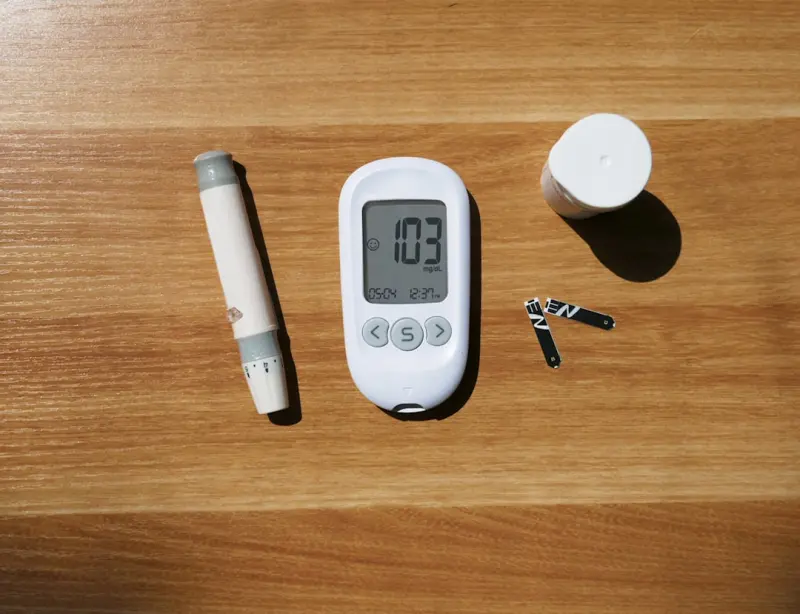
Turning Prediabetes Into a Playground of Experiments
Learn a fresh, experiment‑focused strategy for managing prediabetes by leveraging environmental fa... Read More
Top Posts
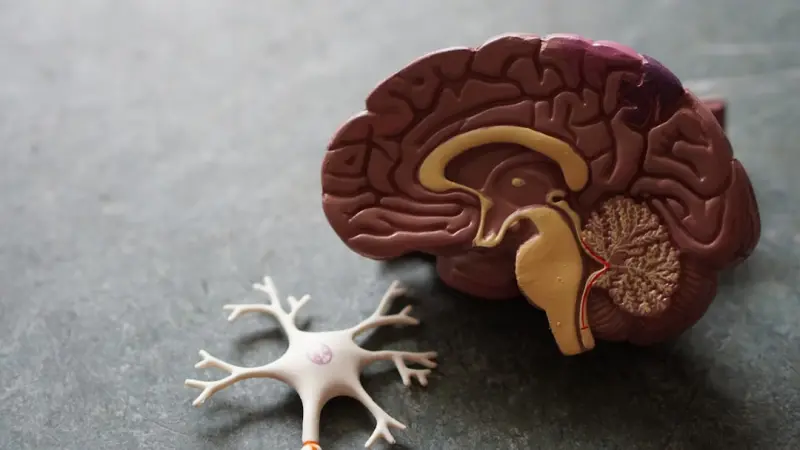
Brain‑Gym for Longevity: How Continuous Learning Fuels a Longer Life
Explore the emerging science that links deliberate learning and neuroplasticity to cellular repair, offering a practical “brain‑gym” framework that comple...Read More
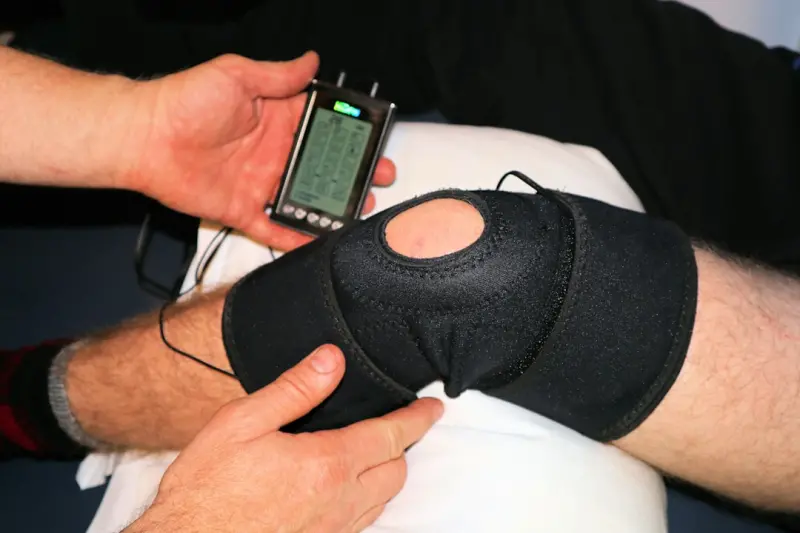
AI‑Powered Physiotherapy: How Smart Tech Is Redefining Recovery
Explore the rise of AI‑powered physiotherapy, where computer vision, smart wearables, and adaptive algorithms deliver personalized, real‑time feedback, blen...Read More

When the Dark Feels Like a Storm: Mastering Sleep Terrors for Peak Performance
Sleep terrors can sabotage even the most disciplined professionals. This guide reveals their hidden triggers and offers actionable nighttime routines to restore...Read More

Beyond the Cloud: Making Vaping Eco‑Friendly Without Sacrificing the Experience
I’ve swapped my daily disposable pods for a sustainable setup, and the shift has changed how I think about flavor, health, and the planet—here’s the roadm...Read More
0 Comments
Post Comment
You will need to Login or Register to comment on this post!