
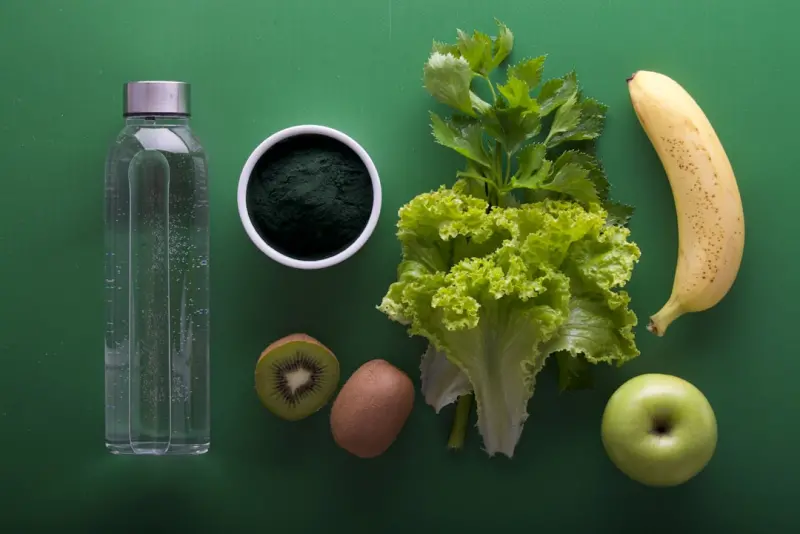
Why Nutrient Synergy Deserves Your Full Attention
When I first started dissecting my meals, I realized that the whole is truly greater than the sum of its parts; a plate isn’t just a collection of calories, it’s a dynamic laboratory where vitamins, minerals, and phytochemicals interact. Food synergy—the concept that certain nutrients unlock the power of others—can turn an ordinary dinner into a performance‑enhancing feast, boosting energy, mood, and long‑term health. By treating meals as intentional blends rather than isolated items, we set the stage for our bodies to absorb, transport, and utilize nutrients with unprecedented efficiency.
Understanding Bioavailability: The Science Behind What Your Body Actually Uses
Bioavailability is the proportion of a nutrient that enters the bloodstream and becomes available for physiological functions, and it’s dramatically influenced by the food matrix and preparation methods. For example, the iron in spinach is notoriously hard for the gut to absorb, but pairing it with vitamin‑C‑rich peppers can increase uptake by up to threefold, a fact supported by countless nutrition studies. If you’re curious about how subtle dietary tweaks can reshape overall wellness, check out the insights in Cooking Up Cognitive Strength, where a similar principle is applied to brain‑fueling foods.
Iron and Vitamin C: A Classic Pairing That Still Packs a Punch
Iron deficiency remains one of the most common nutrient gaps, yet the solution can be as simple as adding a splash of citrus to a leafy‑green salad. The ascorbic acid in oranges, strawberries, or bell peppers converts ferric iron (Fe³⁺) to the more absorbable ferrous form (Fe²⁺), effectively turbocharging the iron’s journey across the intestinal wall. By consistently pairing iron‑rich foods like lentils, beans, or lean meats with a vitamin‑C source, you create a nutritional “one‑two punch” that supports oxygen transport, immune strength, and cognitive clarity.
Fat‑Soluble Vitamins Need Their Fat Friends
Vitamins A, D, E, and K dissolve in fat, meaning a drizzle of olive oil over roasted carrots does more than add flavor—it acts as a delivery vehicle that escorts these vitamins straight to your cells. Studies have shown that adding just a teaspoon of healthy fat to a vegetable dish can boost the absorption of beta‑carotene (a vitamin A precursor) by as much as 200 %. This principle extends to fortified foods and supplements; taking a vitamin D pill with a handful of nuts or avocado can make the difference between a marginal benefit and a true health catalyst.
Balancing Fiber and Mineral Absorption
While fiber is a champion of digestive health, an excess of certain fibers can bind minerals like zinc and calcium, reducing their availability. The key is timing: consuming high‑fiber foods such as beans or whole grains apart from mineral‑dense meals can prevent competitive inhibition while still delivering gut‑friendly benefits. Strategically spacing these food groups—perhaps a fiber‑rich breakfast followed by a mineral‑focused lunch—allows you to reap the full spectrum of nutrients without compromise.
Cooking Techniques That Preserve and Enhance Nutrients
Heat can be both a foe and a friend to nutrients; boiling often leaches water‑soluble vitamins, whereas steaming or quick sautéing can preserve, and sometimes even amplify, their potency. For instance, lightly steaming broccoli activates sulforaphane, a compound linked to cellular detox pathways, while a brief stir‑fry with garlic and ginger not only retains vitamin C but also introduces antioxidant‑rich organosulfur compounds. If you’re looking for practical guidance on how to wield heat wisely, the article Beyond the Clinic offers a surprising crossover of tech‑driven precision that can be adapted to kitchen timing.
A Personal Experiment: The 30‑Day Synergy Challenge
Inspired by my own quest for optimized performance, I embarked on a 30‑day experiment, redesigning every meal to include at least one intentional nutrient pairing. Mornings began with oatmeal topped with blueberries and a splash of almond butter (healthy fats for vitamin E absorption), while lunches featured quinoa, roasted sweet potatoes, and a squeeze of lime (vitamin C boosting beta‑carotene). By the end of the month, I reported sharper focus, steadier energy swings, and even a modest improvement in iron labs—proof that deliberate pairing isn’t just theory, it’s a practical tool for everyday vitality.
Putting It All Together: A Blueprint for Everyday Nutrient Harmony
To make nutrient synergy a habit, start with three simple steps: identify a nutrient you want to boost, pair it with its complementary ally, and choose a cooking method that preserves both. Keep a quick reference list on your fridge—iron + vitamin C, fat‑soluble vitamins + healthy fats, calcium + vitamin D—to guide spontaneous meal decisions. When you treat each bite as a strategic collaboration, you unlock a cascade of benefits that ripple through energy levels, immune resilience, and long‑term health, turning ordinary eating into a powerful act of self‑care.

Related Posts

Brain Fuel Hacks for Knowledge Workers
A data‑driven guide shows how timing, fermented foods, and targeted nutrients can turn everyday me... Read More

The Architecture of Flavor: Building Meals That Shape Your Day
Treat your plate like a blueprint: balance macros as foundations, layer micronutrients as flow, and ... Read More
Decoding Nutrient Density: How to Choose Foods That Truly Fuel Your Body
Discover a practical approach to selecting truly nutrient‑dense foods, from label hacks to seasona... Read More
Top Posts

Designing the Senior Home for Safety, Comfort, and Cognitive Vitality
Explore how thoughtful lighting, flooring, sound, scent, and personalized touches can transform senior living spaces into safe, comfortable, and cognitively enr...Read More
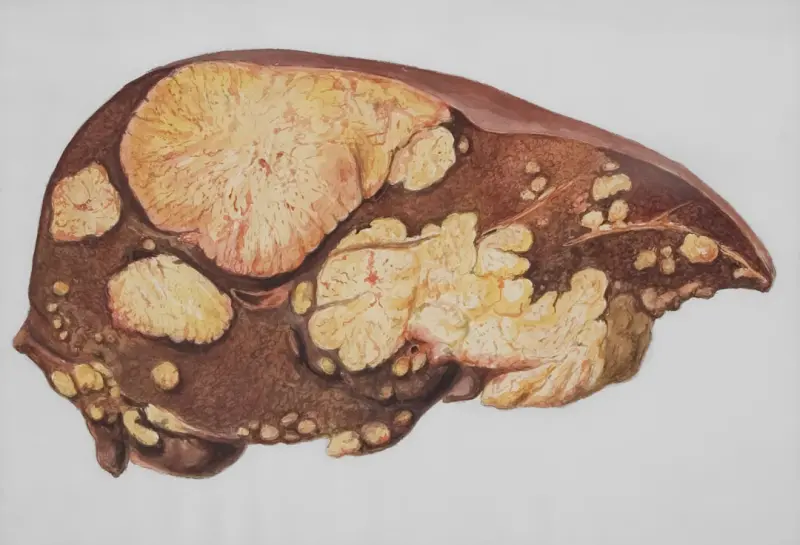
Listening to Your Liver: How Everyday Sounds Shape Organ Wellness
Explore the surprising link between the sounds we live with and liver health, and get actionable steps to create a liver‑friendly acoustic environment....Read More

The Intersection of Aging and Chronic Health Conditions: A Holistic Approach to Senior Health
A holistic approach to senior health prioritizes physical, emotional, and social needs to manage chronic health conditions and improve quality of life. Learn ho...Read More

Rewriting the Cancer Narrative: From Statistics to Human Stories
This article shifts the focus from cancer survival stats to the lived stories of patients, highlighting narrative medicine, community‑driven data, nutrition, ...Read More
0 Comments
Post Comment
You will need to Login or Register to comment on this post!