

Why I Treat My Plate Like a Blueprint
When I was a kid, I’d spend hours sketching floor plans for imaginary houses—rooms that flowed into one another, windows that invited light, and staircases that whispered of adventure. As an adult who now lives at the intersection of nutrition, design, and behavioral science, I still hear that inner architect calling. The difference? My blueprints now live on a plate, and the “rooms” are the nutrients, textures, and flavors that shape my day.
The Problem with Traditional Meal Planning
Most nutrition advice feels like a checklist: eat your greens, get protein, limit sugar. It’s practical, but it treats food as a list of components rather than a cohesive structure. This reductionist view often leads to meals that feel like chores—something we tick off to meet macro goals, then move on without truly experiencing what we’ve consumed.
When meals are stripped of narrative and design, they become background noise. We eat, we digest, we forget. The result is a missed opportunity to harness the psychological and physiological power that comes from intentional, architecturally inspired eating.
Enter “Nutrient Architecture”: A Fresh Lens
I coined the term “Nutrient Architecture” to describe a method where you design each meal as you would a building: with purpose, flow, and an eye for the user experience. Think of a well‑planned house:
- Foundation: The macro nutrients that provide stability—complex carbs, quality protein, and healthy fats.
- Framework: The micronutrients—vitamins, minerals, and phytonutrients—that fill out the structure.
- Finishing Touches: Texture, aroma, and visual appeal that make the space inviting.
By aligning each of these layers, you create meals that do more than fuel; they influence mood, focus, and even the way you move through the rest of your day.
Design Principles for the Plate
Below are the core principles I use when I draft a “nutrient blueprint.” They’re adaptable, whether you’re a busy professional, a parent juggling school lunches, or a creative who loves experimental cooking.
1. Structural Integrity – Balance Your Macros
The foundation of any building must support the weight above it. In nutrition, this translates to a balanced macro distribution that matches your activity level and goals. For most adults, a ratio of 40% carbs, 30% protein, 30% fat works well, but the exact numbers can shift based on whether you’re training for endurance, strength, or cognitive performance.
Rather than counting grams, I visualize the plate as a floor plan:
- Carbohydrate “walls”—whole grains, starchy vegetables, fruit—provide the structural backbone.
- Protein “beams”—lean meats, legumes, tofu—add strength and support.
- Fat “insulation”—avocado, nuts, olive oil—regulates temperature and adds comfort.
2. Flow and Circulation – Micronutrient Pathways
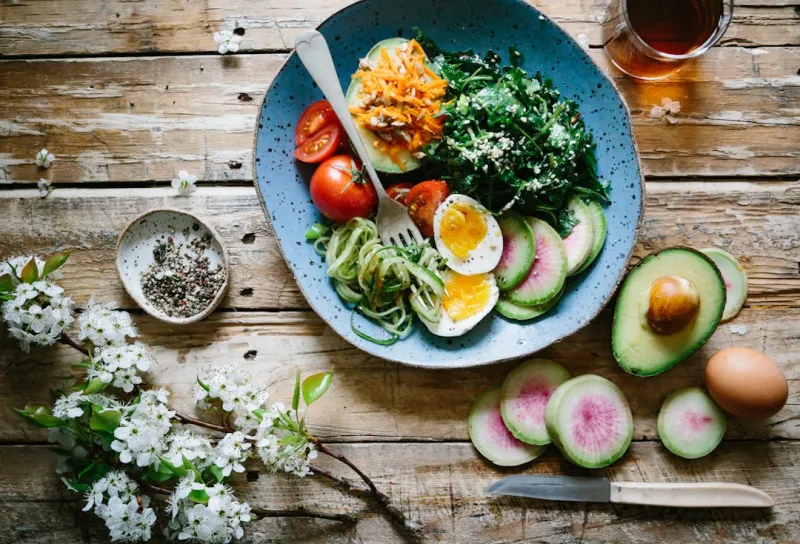
Just as a house needs hallways that let people move smoothly, a meal needs micronutrients that facilitate metabolic flow. Color is a great guide: the deeper the hue, the richer the phytonutrient content. I aim for a rainbow gradient that moves from the cooler blues of kale to the warm reds of beetroot, creating a visual and nutritional pathway.
Research shows that a varied micronutrient intake supports enzyme function, hormone balance, and immune resilience. By deliberately layering colors, you’re essentially wiring the “electrical system” of your body for optimal performance.
3. Sensory Architecture – Texture, Aroma, and Sound
Architecture isn’t just about visual appeal; it’s also about how a space feels underfoot and how it sounds. On the plate, texture and aroma play a similar role. Crunchy nuts, silky hummus, and the gentle pop of quinoa all create a sensory map that keeps the brain engaged, encouraging mindful eating and better digestion.
Try pairing a crisp element (like radish) with a smooth one (such as avocado). The contrast not only delights the palate but also slows eating speed, giving your satiety signals a chance to register.
4. Sustainable Materials – Seasonal and Local Choices
Just as architects prioritize sustainable building materials, I select ingredients that are in season and sourced locally. Seasonal produce is at its peak nutrient density, and buying local reduces the carbon footprint associated with transportation.
For example, in the spring I might base a meal around asparagus and peas, while in the fall the focus shifts to squash and kale. This rotation keeps the diet fresh, reduces reliance on processed foods, and aligns my eating patterns with nature’s rhythms.
5. Adaptive Spaces – Flexibility for Life’s Changes
A well‑designed building can adapt to different occupants and uses. Likewise, your meals should be flexible. I keep a “core module”—a base of quinoa, roasted veggies, and a protein source—that I can remix throughout the week. On a busy day, I simply add a pre‑made sauce; on a leisurely weekend, I turn it into a warm bowl with broth and herbs.
Putting the Blueprint Into Practice: A Sample Day
Let’s walk through a full day of meals built using these principles.
Breakfast – “Morning Atrium”
Start with a foundation of steel‑cut oats (complex carbs) cooked in almond milk (healthy fat). Add a protein beam of Greek yogurt and sprinkle chia seeds for omega‑3 “insulation.” For the flow, top with a gradient of blueberries, kiwi, and pomegranate seeds—each adding distinct antioxidants. Finish with a drizzle of honey and a pinch of toasted cinnamon for aroma.
Mid‑Morning Snack – “Pocket Corridor”
A small “corridor” snack keeps energy stable. Pair a handful of mixed nuts (fat and protein) with an apple (crisp texture, sweet aroma). The contrast of soft nut butter with the apple’s snap mirrors a well‑designed transition space.
Lunch – “Central Hall”
My central hall is a grain‑based bowl. Base: farro (complex carbs). Beams: grilled salmon (protein) and a scoop of black beans (extra protein + fiber). Insulation: avocado slices. Flow: a medley of roasted carrots, beets, and arugula, arranged in a color‑gradient. Finish with a lemon‑tahini dressing, which adds a bright scent and a creamy finish.
For a deeper dive into designing meals that teach your body, check out Playful Nutrition: Designing Meals That Teach Your Body. While my approach is more architecturally driven, the underlying principle—using food as an interactive experience—is shared.
Afternoon Pick‑Me‑Up – “Sunroom”
A light “sunroom” keeps the afternoon bright. Blend a smoothie with spinach (green “walls”), frozen mango (yellow “sunlight”), and a scoop of plant‑based protein powder. Add a spoonful of almond butter for richness and a dash of ginger for aromatic warmth.
Dinner – “Evening Lounge”
The lounge is a slower‑pace, comforting space. Roast a chicken thigh (protein beam) with rosemary (aroma) and olive oil (fat insulation). Serve alongside a quinoa‑wild rice blend (carb foundation) and a side of sautéed Brussels sprouts with toasted walnuts (texture contrast). A squeeze of lemon adds a fresh finish, encouraging a sense of closure for the day.
Evening Reflection – “Nightcap Terrace”
End the day with a small portion of dark chocolate (rich in flavonoids) and a cup of herbal tea. The ritual mirrors a terrace view—calm, reflective, and ready for rest.
How Nutrient Architecture Impacts Performance
Designing meals with intention has measurable benefits:
- Improved Satiety: Balanced macros and texture contrast keep you full longer.
- Steady Energy: Complex carbs and protein beams provide a slow release of glucose, preventing spikes.
- Enhanced Mood: Colorful meals boost intake of mood‑supporting phytonutrients like lutein and anthocyanins.
- Better Focus: Healthy fats, especially omega‑3s, support brain cell membrane integrity.
- Reduced Food Waste: Seasonal planning aligns with what’s available, cutting down on discarded produce.
These outcomes echo findings from other interdisciplinary projects on the blog. For instance, the piece on Reimagining the Home Office shows how intentional design—whether in a workspace or a plate—creates environments that support health.
Tools and Resources to Start Building
Ready to become an architect of your own nutrition? Here are a few practical tools:
- Plate Mapping Apps: Apps like MyPlate or Cronometer let you visualize macro distribution as sections of a plate.
- Seasonal Produce Guides: Websites such as SeasonalFoodGuide.com list what’s fresh each month.
- Texture Cheat Sheet: Keep a list of crunchy, creamy, chewy, and airy foods to mix and match.
- Flavor Wheel: Use the culinary flavor wheel to pair aromatic herbs with appropriate dishes.
Overcoming Common Barriers
Many people think designing meals sounds time‑consuming. Here’s how to simplify:
- Batch‑Prep Foundations: Cook a large pot of quinoa or farro on Sunday; it becomes the base for multiple meals.
- Keep a “Core Module” Stocked: A pantry of beans, nuts, and spices means you can assemble a meal in minutes.
- Use Visual Cues: Place a color chart on your fridge to remind you of the rainbow goal.
- Iterate Like a Designer: Treat each meal as a prototype—taste, adjust, and improve.
Conclusion: Your Plate, Your Masterpiece
When I think back to those childhood floor plans, I realize that the joy I felt wasn’t just about the lines on paper; it was about the promise of a space that served a purpose and sparked imagination. By treating nutrition as architecture, we turn everyday eating into a purposeful, creative, and health‑enhancing practice.
So, next time you stand before your fridge, ask yourself: What kind of building am I about to construct? Lay the foundation, add the beams, sprinkle in the finishing touches, and step back to admire the structure you’ve created. Your body will thank you, and your mind will relish the design process.

Tammy French is a Montessori Teaching Assistant and freelance writer passionate about education, creativity, and inspiring lifelong learning through engaging content.
Related Posts
Nourish to Thrive: A Holistic Nutrition Reset for Busy Lives
A fresh, holistic guide to fueling your body amid a hectic schedule—learn how to balance macros, s... Read More

Fermented Foods: The Unsung Heroes of Modern Nutrition
Fermented foods like kimchi, kombucha, and miso offer hidden nutrients, probiotics, and enzymes that... Read More

Decoding Nutrient Density: How to Choose Foods That Truly Fuel Your Body
Discover a practical approach to selecting truly nutrient‑dense foods, from label hacks to seasona... Read More
Top Posts

Nurturing Infant Health: A Holistic Approach to Wellness
A holistic approach to infant health considers the intricate relationships between physical, emotional, and environmental factors that influence a baby's develo...Read More

Micro‑Habits That Supercharge Longevity: A Fresh Playbook
Learn how simple, consistent micro‑habits like intentional breathing, brief cold exposure, movement nudges, sunlight moments, mindful pauses, and tiny social ...Read More

Gamify Your Glucose: A Playful Path to Steady Blood Sugar for High‑Performance Professionals
Discover a data‑driven, gamified approach to blood sugar management that uses real‑time scoring, micro‑habits, and team leaderboards to boost focus, resil...Read More

Holistic Health Hacks Every Woman Needs in 2024
Sarah Gray shares a comprehensive, holistic roadmap for women’s health in 2024, covering nutrition, mindset, movement, and sleep for lasting wellness....Read More
0 Comments
Post Comment
You will need to Login or Register to comment on this post!