
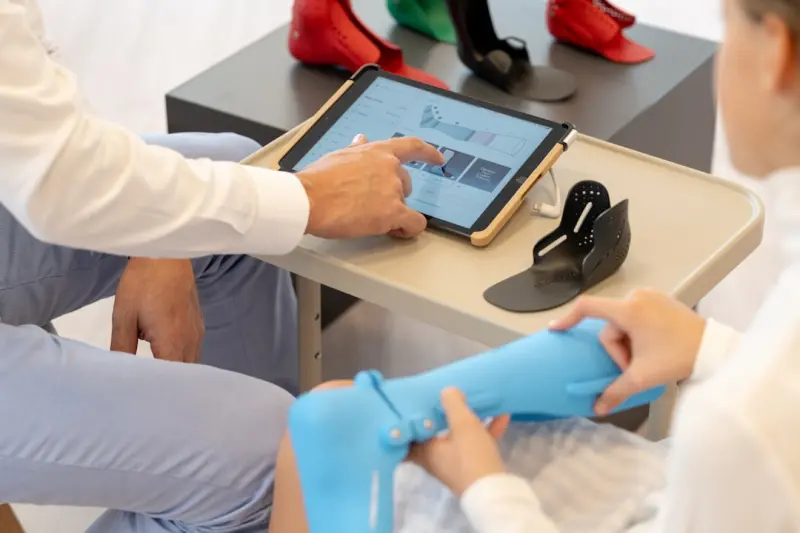
Why I Switched My Practice to Wearable Tech
After a decade of hands‑on manual therapy, I realized that the biggest obstacle to lasting recovery was the gap between clinic sessions and daily life. I began experimenting with a simple accelerometer strapped to my forearm during a routine shoulder rehab, and the raw data sparked a revelation: objective movement patterns could be captured, analyzed, and corrected in real time. That night, I drafted a personal manifesto to bring this data‑driven approach out of my notebook and into the treatment room, believing that technology could finally bridge the “in‑and‑out” divide that has haunted physiotherapists for years.
The Sensors That Sit on Your Skin
Modern wearable sensors come in three flavors: inertial measurement units (IMUs) that track acceleration and rotation, electromyography (EMG) patches that read muscle activation, and pressure‑mapping insoles that record load distribution across the foot. Each device streams hundreds of data points per second, yet they are lightweight enough to stay glued to skin without hindering motion. When I first tried an EMG patch on a client recovering from rotator‑cuff surgery, the visual of “muscle firing patterns” on my laptop felt like watching a live orchestra, letting me spot compensations before they solidified into bad habits.
Real‑Time Biofeedback: Seeing What You Feel
The moment a sensor flashes a warning on a tablet, a client instantly knows they are deviating from the prescribed movement. This immediacy transforms abstract cues—“keep your shoulder level”—into concrete, visual signals that the brain can process faster. In one pilot, I paired an IMU on a patient’s lumbar spine with a haptic wristband that vibrated whenever excessive flexion occurred; the client reported a 40% reduction in low‑back strain within two weeks. Such feedback loops empower patients to become active participants rather than passive recipients of therapy.
Data‑Driven Goal Setting and Progress Tracking
Gone are the days of vague “improve range of motion” notes scribbled on a clipboard. With wearables, I can generate a baseline graph, set quantifiable milestones, and display a progress bar that updates after every squat or step. This transparency builds trust; a client can see the exact degrees of knee flexion gained from week one to week four. Moreover, the aggregated data allows me to fine‑tune programs on the fly, swapping a hip‑strengthening drill for a stability exercise the moment the metrics plateau.
Prehab Before Surgery: A Case Study
One of my most rewarding experiences involved a 58‑year‑old marathon runner scheduled for total knee replacement. Using a combination of IMUs and pressure insoles, we mapped his gait abnormalities months before the operation, identifying a subtle “toe‑out” pattern that overloaded the medial compartment. Over a six‑week prehab protocol, we corrected the gait, increased quadriceps endurance, and logged a 15% improvement in load symmetry. Post‑surgery, his rehab was dramatically shorter, and he returned to running within three months—proof that prehab powered by wearables can rewrite surgical outcomes.
Seamless Integration with Telehealth
The pandemic taught us that remote care is not a temporary fix but a permanent pillar of modern physiotherapy. Wearable platforms now sync effortlessly with telehealth portals, allowing me to monitor a client’s form during a Zoom session as if they were on the exam table. I can annotate live video streams with sensor data, pointing out a “late heel‑off” during a gait drill, and the client can instantly adjust. This hybrid model expands access to rural patients who would otherwise travel hours for a single assessment.
Ethical Considerations and Data Privacy
While the flood of biometric data is exciting, it also raises questions about consent, storage, and who truly owns the information. I adhere to strict protocols: data is encrypted, anonymized, and retained only for the duration of the treatment plan unless the client opts in for research use. Transparency about how metrics are collected and applied is essential; otherwise, we risk turning compassionate care into a cold algorithm. Balancing innovation with empathy remains my guiding principle.
The Future: AI‑Powered Predictive Rehab
Artificial intelligence is already learning to predict injury risk by analyzing patterns across thousands of wearable datasets. Imagine a system that alerts you to a looming ankle sprain before you feel any pain, prompting a preemptive strengthening routine. I’m collaborating with a tech startup to integrate AI‑driven alerts into my practice, hoping to shift physiotherapy from reactive treatment to proactive health maintenance. The horizon looks bright, with machine learning poised to personalize each client’s journey down to the millisecond.
Take the Leap: Start Your Tech‑Enabled Journey Today
If you’re a therapist skeptical about gadgets, I encourage you to trial a single sensor during a routine session and watch the conversation change. For clients, ask your provider about wearable options; the data you gather could become the most powerful tool in your recovery toolbox. Together, we can usher in a new era where every movement is measured, every habit is optimized, and every patient walks out of the clinic with confidence backed by numbers. Embrace the future—your body, your data, your health.

Related Posts
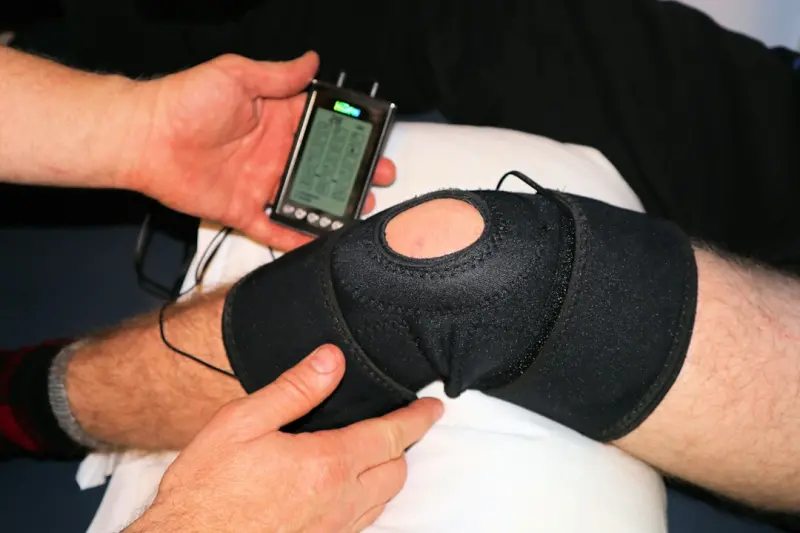
Wearable Tech Meets Physiotherapy: Crafting Data‑Driven Rehab Plans
Explore the rise of wearable technology in physiotherapy, from real‑time movement tracking to AIâ€... Read More

The Next Wave of Physiotherapy: How Holistic Care Is Redefining Recovery
Explore how modern physiotherapy merges holistic health, wearable tech, and personalized movement pl... Read More
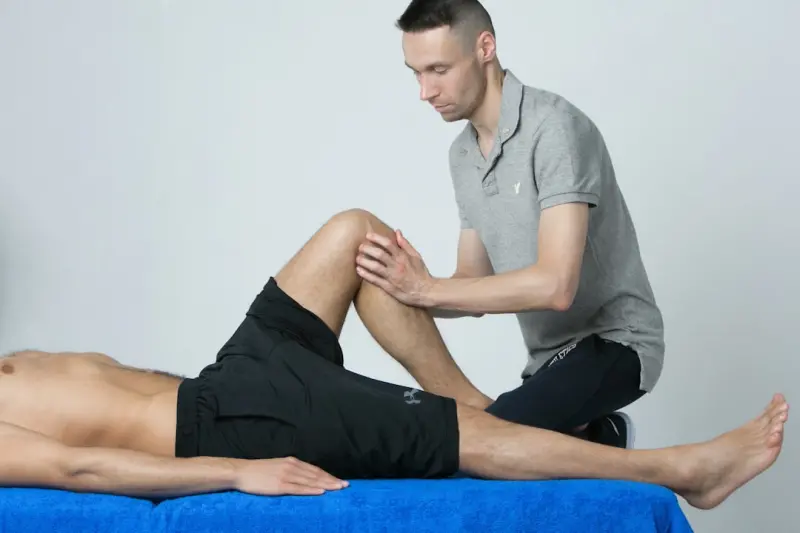
Rewiring Movement: How Modern Physiotherapy Empowers Desk‑Bound Professionals
This article explores a fresh physiotherapy framework that blends movement literacy, neuro‑muscula... Read More
Top Posts

How Community Gardening Fuels Senior Vitality
Community gardening offers seniors a low‑impact workout, fresh nutrition, and vital social interaction, turning a simple plot of earth into a powerful tool fo...Read More

Unlocking the Hidden Wellness Engine in Your Health Insurance
Learn practical strategies to transform a standard health insurance plan into a proactive wellness tool, leveraging preventive services, tele‑medicine, and in...Read More

Reimagining the Home Office: A Physiotherapist’s Playbook for Movement‑Rich Workdays
Learn how to integrate physiotherapy‑backed micro‑bites, dynamic stretches, ergonomic tweaks, and tech‑driven cues into your remote workday, reducing pain...Read More
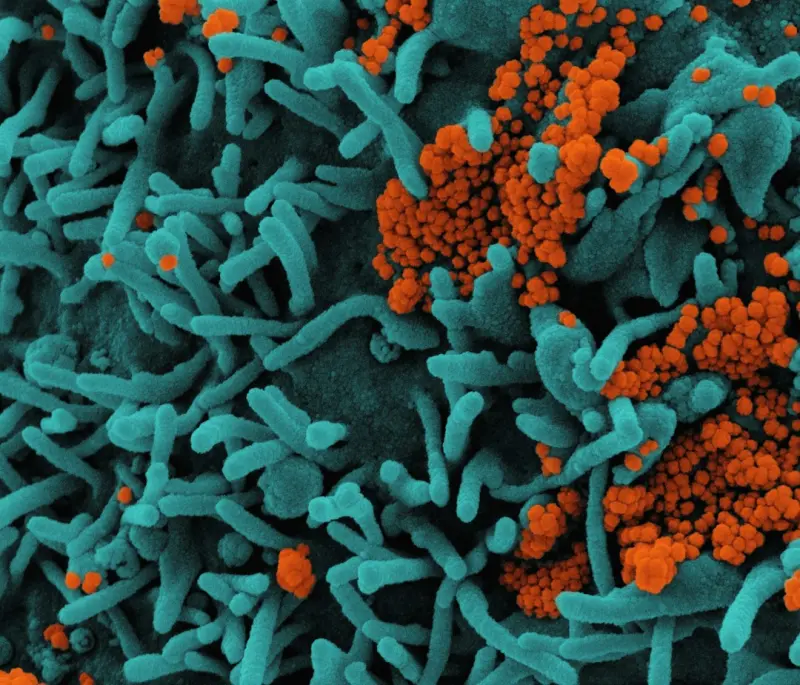
Gut‑Driven Glucose: Harnessing Your Microbiome to Stabilize Blood Sugar
A deep dive into how the gut microbiome shapes glucose metabolism, with actionable diet, timing, and supplement strategies to keep blood sugar steady and improv...Read More
0 Comments
Post Comment
You will need to Login or Register to comment on this post!