
Why Nutrient Density Matters More Than Calories Alone
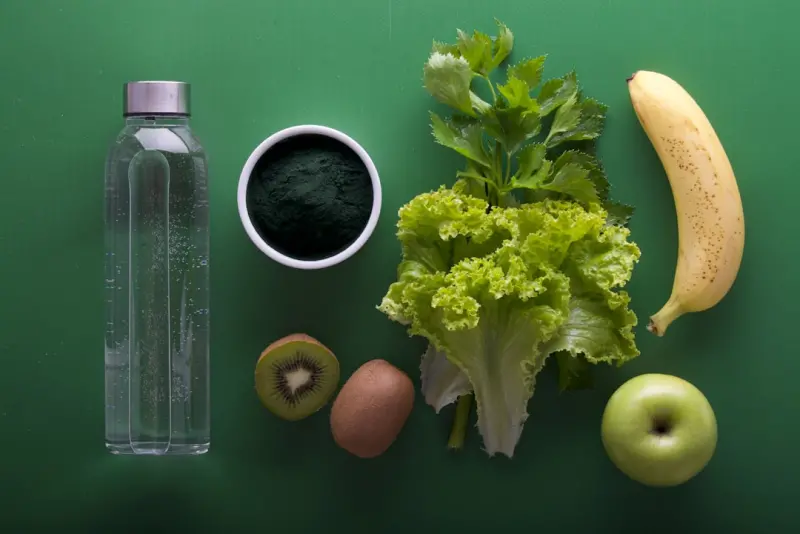
When we step into the grocery aisle, the first thing most of us notice is the calorie count, yet that number tells only a fraction of the story about how a food will truly fuel our bodies. Nutrient density is a measure that balances the vitamins, minerals, antioxidants, and phytonutrients a food provides against the energy it delivers, allowing us to see which items offer the most biological value per bite. By shifting focus from “how many calories” to “what quality of calories,” we begin to understand why a handful of kale can sustain us longer and more healthily than a larger portion of refined grains, despite similar energy content. This perspective also explains why diet plans that rely solely on calorie restriction often leave people feeling sluggish, hungry, or nutritionally deficient over time. Embracing nutrient density encourages a mindset where every meal becomes an opportunity to load up on the microscopic allies that support immunity, hormone balance, and cellular repair, rather than merely filling a calorie quota.
Reading Labels Through the Lens of Micronutrient‑to‑Calorie Ratios
Most packaged foods list a nutrition facts panel that shows macronutrients first, but the real treasure lies hidden in the micronutrient section—vitamins A, C, D, calcium, iron, and the like. To evaluate density, take the % Daily Value (DV) for each micronutrient and divide it by the total calories per serving; a higher quotient indicates a more nutrient‑dense choice. For example, a 100‑gram serving of spinach delivers roughly 23 % DV of iron and 56 % DV of vitamin K for just 23 calories, yielding a ratio far superior to many “low‑fat” snack bars that may offer 150 calories with negligible vitamin content. By practicing this quick mental math, shoppers can instantly differentiate between foods that are calorie‑rich but nutrient‑poor and those that pack a powerful health punch in a modest energy package. This approach also reveals the hidden value of fortified products, where added vitamins can boost the ratio, though whole‑food sources remain the gold standard for bioavailability.
Phytonutrients: The Unsung Heroes of Food Quality
Beyond the essential vitamins and minerals, plants produce a dazzling array of phytonutrients—flavonoids, carotenoids, polyphenols—that act as internal guardians against oxidative stress and chronic disease. These compounds are not listed on standard nutrition labels, yet they contribute profoundly to the overall nutrient density of a food. For instance, the deep red hue of beetroot comes from betalains, powerful antioxidants that support liver detoxification pathways, while the bright orange of carrots signals beta‑carotene, a provitamin A that enhances vision and immune function. The concentration of these phytonutrients often peaks at specific stages of ripeness, making seasonality a key factor in density. By opting for colorful, whole‑food selections—think purple cabbage, golden turmeric, or vivid berries—we naturally increase our intake of these protective molecules, which work synergistically with vitamins and minerals to amplify health benefits without adding extra calories.
Seasonal Peaks: How Time of Year Influences Nutrient Profiles
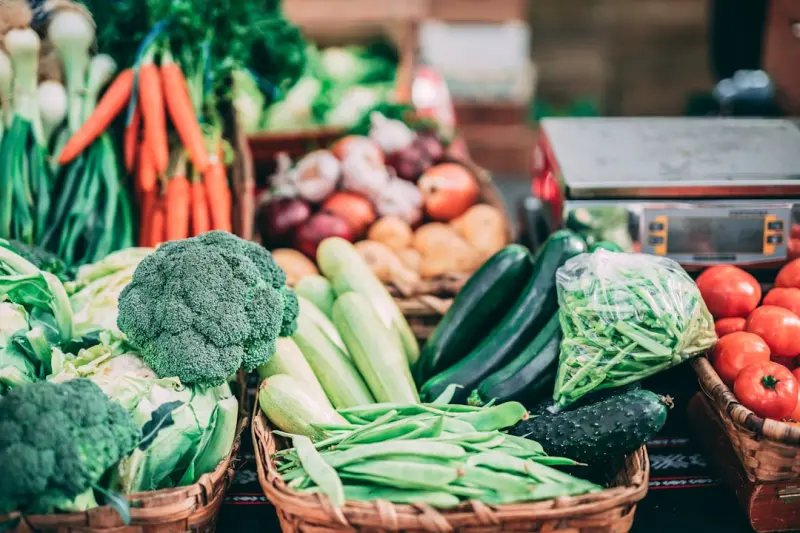
Plants grow in response to their environment, and the same vegetable harvested in summer versus winter can contain markedly different levels of vitamins and antioxidants. Research shows that tomatoes ripened under full sun develop higher lycopene concentrations, while cool‑weather carrots accumulate more lutein, a nutrient crucial for eye health. By aligning our grocery choices with the growing season—shopping at farmers’ markets, joining a community-supported agriculture (CSA) program, or simply noting the “peak season” tags at the supermarket—we tap into nature’s timing for maximal nutrient density. This seasonal strategy also reduces the carbon footprint associated with long‑distance transport and storage, creating a win‑win for personal health and planetary stewardship. When we prioritize seasonal produce, we not only enjoy richer flavors but also harness the full spectrum of micronutrients that plants synthesize when they are allowed to mature naturally.
Cooking Techniques That Preserve and Enhance Density
Heat can be both a destroyer and an enhancer of nutrients, depending on the method and the food in question. Gentle steaming retains the water‑soluble vitamins in broccoli far better than boiling, which leaches them into the cooking water; meanwhile, a quick sauté in a splash of olive oil improves the absorption of fat‑soluble vitamins like A, D, E, and K. Roasting root vegetables caramelizes natural sugars, concentrating flavor while preserving antioxidants such as phenolic compounds that would otherwise degrade under prolonged high heat. Moreover, incorporating acidic ingredients—lemon juice, vinegar, or tomatoes—during cooking can increase the bioavailability of minerals like iron and calcium by creating a more favorable pH environment in the gut. By mastering these nuanced cooking strategies, home chefs transform ordinary ingredients into powerhouses of nutrition, ensuring that the nutrient density we meticulously select at the store is not lost on the plate.
Designing a Nutrient‑Dense Plate: Proportion Guidelines
Constructing a meal that maximizes nutrient density is less about counting every gram and more about visual balance and variety. A practical template follows a simple 1‑2‑3 rule: one quarter of the plate for high‑density proteins (wild‑caught fish, legumes, or lean poultry), two quarters for a colorful assortment of vegetables and fruits, and the remaining quarter for whole‑grain or starchy vegetables that provide sustained energy. Within the vegetable quarter, aim for at least three different colors to ensure a broad phytonutrient spectrum. Adding a modest drizzle of healthy fat—extra‑virgin olive oil, avocado, or nuts—facilitates the absorption of fat‑soluble nutrients. Below is a quick reference checklist to guide your plating:
- Protein: choose sources with minimal processing.
- Veggies & fruit: prioritize dark leafy greens, red/purple berries, orange roots.
- Whole grains/starches: select minimally refined options like quinoa or sweet potato.
- Healthy fats: incorporate seeds, nuts, or cold‑pressed oils.
Practical Shopping Tips for the Nutrient‑Conscious Consumer
Armed with the concepts above, the next step is to translate them into grocery‑store habits that become second nature. Start by scanning the perimeter of the store, where fresh produce, dairy, and protein typically reside, and limit trips down the aisles laden with processed items. When evaluating packaged foods, glance beyond the front‑of‑pack claims and refer back to the micronutrient‑to‑calorie ratio method; if the numbers don’t add up, replace the item with a whole‑food alternative. Don’t overlook the power of aroma and texture—these sensory cues often indicate freshness, which correlates with higher nutrient content. For further inspiration on how our senses can guide smarter nutrition choices, check out Taste the Change: How Sensory Nutrition Can Transform Your Health. Finally, keep a reusable list on your phone, categorizing foods by color and type, so you can quickly spot gaps in your weekly plan and fill them with nutrient‑dense options.
Debunking Common Myths About “Healthy” Foods
Many diet trends promise low‑fat, high‑protein, or “superfood” status, yet they often overlook the holistic picture of nutrient density. A popular misconception is that “low‑fat” automatically equals healthier; in reality, removing healthy fats can impair the absorption of fat‑soluble vitamins, turning a seemingly smart choice into a nutritional blind spot. Similarly, products marketed as “high‑protein” may be loaded with added sugars or artificial sweeteners that dilute their overall density. The myth that “all carbs are bad” also falls apart when you consider that whole‑grain and starchy vegetables provide essential B‑vitamins, fiber, and minerals that support metabolic function. By focusing on the comprehensive nutrient profile rather than isolated macronutrient claims, you avoid the pitfalls of fad diets and build a sustainable eating pattern that truly nourishes every cell.
Putting It All Together: Your Path to a More Nutrient‑Rich Life
Embracing nutrient density is a shift from counting calories to curating a diet rich in life‑supporting compounds, and the payoff is evident in increased energy, better mood, and stronger immunity. Start small: pick one meal a week to apply the 1‑2‑3 plate rule, experiment with seasonal produce, and use the quick label‑ratio hack to assess packaged options. As you become more comfortable, expand the practice to snacks, desserts, and even beverages, always asking, “What does this food give my body beyond energy?” For a deeper dive into how timing can further amplify these benefits, explore Unlock the Power of Chrono‑Nutrition and discover complementary strategies. By consistently choosing foods that deliver the most nutrients per calorie, you create a resilient foundation for long‑term health, turning everyday meals into powerful acts of self‑care.

Sarah Gray is a proud Canadian who calls Brampton home, where she lives with her husband, Paul. A passionate home cook and gifted storyteller, Sarah loves creating delicious recipes and sharing stories inspired by everyday life, family, and cherished experiences. When she isn't experimenting in the kitchen, she's busy crafting engaging content that reflects her warmth, creativity, and love of connection. Above all, Sarah treasures time spent with her grandchildren, embracing every opportunity to create lasting memories with the people she loves most.
Related Posts

The Quiet Power of Food Pairing: Boosting Brain Performance Through Strategic Nutrition
Explore the science of nutrient synergy and learn practical food pairings, timing strategies, and en... Read More

The Architecture of Flavor: Building Meals That Shape Your Day
Treat your plate like a blueprint: balance macros as foundations, layer micronutrients as flow, and ... Read More

Fermentation Frontiers: How Wild Cultures Supercharge Your Health
Fermentation is a timeless method that transforms food into nutrient‑dense, probiotic powerhouses.... Read More
Top Posts

Quiet Corners: Crafting Everyday Calm for Newborns
Learn how to create a sensory-friendly space, use rhythmic cues, and incorporate gentle breathing to help your newborn develop a balanced nervous system and las...Read More

Neuro‑Muscular Mastery: A Brain‑First Blueprint for Sustainable Muscle Gain
Learn how to combine brain training, everyday micro‑loads, and a sensory reset routine to create sustainable muscle gain without relying solely on heavier wei...Read More

Decoding Liver Enzyme Results: A Personal Guide to Understanding and Acting on Your Blood Tests
A personal, science‑backed guide to turning confusing liver enzyme numbers into clear, actionable steps for better health....Read More
Seasonal Eating: A Fresh Strategy to Unlock Natural Weight Loss
Learn how seasonal produce, mindful cooking, and tiny habit stacking combine to create a sustainable weight‑loss plan that feels natural and enjoyable....Read More
0 Comments
Post Comment
You will need to Login or Register to comment on this post!