
Rewriting the Cancer Narrative: From Survival Statistics to Human Stories
When I first stepped into a bustling oncology waiting room, the air was thick with a paradox: the hum of cutting‑edge technology sharing space with the quiet desperation of families clutching coffee cups like lifelines. I realized, in that moment, that the story we tell about cancer is still written in headlines—“new treatment extends life by 12 months”—rather than in the lived experiences of those who walk the corridors daily. This post is my attempt to pivot the conversation from abstract statistics to the tangible, human‑centric moments that shape survivorship, advocacy, and hope.
The Power of Narrative Medicine
Medical journals love numbers; patients love stories. Narrative medicine—a discipline that encourages clinicians to listen, interpret, and integrate patients' stories into care—has been gaining traction, yet its potential remains under‑utilized in oncology. When a patient shares the memory of a sunrise they missed because of chemo, that detail can guide a doctor to schedule infusions later in the day, preserving quality of life. It also helps researchers identify gaps in care that no lab test can reveal. By foregrounding stories, we move from a disease‑first mindset to a person‑first approach.
Why Community‑Driven Data Is the Next Frontier
Imagine a platform where survivors log daily nuances: the taste of a new food that eased nausea, the playlist that turned a restless night into a restful one, the exact timing of a yoga stretch that reduced neuropathy. Aggregated, this real‑world evidence can complement clinical trials, revealing patterns that would otherwise stay hidden. This grassroots data pool empowers patients to become co‑creators of research, shifting the power dynamic and accelerating personalized care. The rise of patient‑led registries is already reshaping rare‑disease research; cancer can—and should—follow suit.
Nutrition After Diagnosis: Beyond the “Superfood” Hype
One of the most common questions I hear from newly diagnosed patients is, “What should I eat?” The answer isn’t a one‑size‑fits‑all “kale smoothie.” It’s a nuanced conversation about micronutrients, inflammation, and gut health, calibrated to the individual’s treatment plan and genetic makeup. For example, a recent study highlighted that a diet rich in personal superfood libraries—tailored combinations of vitamins, minerals, and phytonutrients—can mitigate chemotherapy‑induced fatigue. Rather than chasing trends, patients should work with dietitians to build a sustainable, evidence‑based nutrition strategy that aligns with their treatment timeline.
Grounding Practices: A Complementary Tool for Stress Management
Stress hormones can interfere with the immune system’s ability to target malignant cells. Simple grounding techniques—like walking barefoot on damp earth or holding a warm stone—have been shown to lower cortisol levels. Incorporating a nature‑based detox journey into a survivorship plan doesn’t replace chemo, but it can enhance tolerance and improve overall well‑being. The key is consistency: a 10‑minute daily grounding ritual can become a neuro‑biological anchor, signaling the body that it’s safe, even when treatments feel invasive.
Art and Creativity as Medicine
When words fail, color, music, and movement step in. Art therapy programs in hospitals have reported reductions in anxiety scores up to 30%, and patients often describe feeling “more like themselves” after a painting session. Creativity offers a non‑verbal outlet for processing grief, fear, and hope. Moreover, digital platforms now allow patients to share their artwork globally, fostering a sense of belonging that transcends geography. The ripple effect is profound: a single mural in a pediatric ward can inspire a viral fundraiser, which in turn funds new research.
Reframing “Remission” as a Milestone, Not a Destination
Remission is often celebrated as the end of the journey, yet for many it marks the beginning of a new set of challenges—late‑effects, surveillance anxiety, and identity reconstruction. By treating remission as a milestone, healthcare teams can proactively address survivorship issues: fertility preservation, cognitive “chemo brain,” and cardiovascular monitoring. A survivorship care plan that includes scheduled check‑ins, mental‑health resources, and lifestyle coaching can dramatically improve long‑term outcomes.
Technology’s Role: From Wearables to AI‑Powered Symptom Trackers
Wearable devices now capture heart rate variability, sleep patterns, and even subtle changes in gait that could indicate neuropathy onset. When paired with AI algorithms, these data streams can alert clinicians to intervene before a symptom escalates. For instance, an AI‑driven platform flagged a 5% decline in activity among a breast cancer patient, prompting a timely adjustment to her pain management regimen. The future lies in seamless integration: patients wear, clinicians interpret, outcomes improve.
Advocacy Through Storytelling: Amplifying Voices That Matter
Social media has democratized advocacy. Survivors are leveraging Instagram reels, TikTok threads, and podcasts to share raw, unfiltered experiences. This visibility not only educates the public but also pressures policymakers to fund research and improve insurance coverage. When a viral TikTok highlighted the financial strain of a targeted therapy, legislators responded with a subsidy bill. Storytelling becomes a lever for systemic change when coupled with strategic outreach.
Building a Support Ecosystem: Family, Friends, and Care Teams
Oncologic treatment is rarely a solo endeavor. A robust support network can reduce hospital readmissions by up to 20% according to recent health economics research. Families benefit from structured education—understanding medication schedules, side‑effect management, and emotional cues. Care teams should offer workshops that teach families how to become “health coaches,” empowering them to notice subtle changes and act swiftly. The ripple effect extends to workplaces, where flexible policies for caregivers can preserve employment and mental health.
Looking Ahead: The Promise of Precision Oncology
Precision oncology—matching therapies to the molecular fingerprint of a tumor—has already transformed outcomes for many cancers. Yet the next frontier is integrating lifestyle, psychosocial, and environmental data into the precision equation. Imagine a treatment algorithm that considers not just genetic mutations but also a patient’s sleep quality, stress index, and dietary patterns. The synergy of biology and lived experience could usher in an era where we treat the whole person, not just the tumor.
Takeaway: From Statistics to Stories
When we shift our lens from survival percentages to the narratives that live behind them, we unlock a richer, more humane approach to cancer care. Whether you’re a patient, a caregiver, a clinician, or a policy‑maker, embracing storytelling, community‑driven data, and holistic practices can transform the cancer journey from a series of isolated events into a cohesive, empowering experience. Let’s keep the conversation alive—one story at a time.

Tammy French is a Montessori Teaching Assistant and freelance writer passionate about education, creativity, and inspiring lifelong learning through engaging content.
Related Posts

Finding Light: How Creative Storytelling Empowers Cancer Journeys
Explore the therapeutic power of storytelling, art, and music in cancer care, and learn practical st... Read More
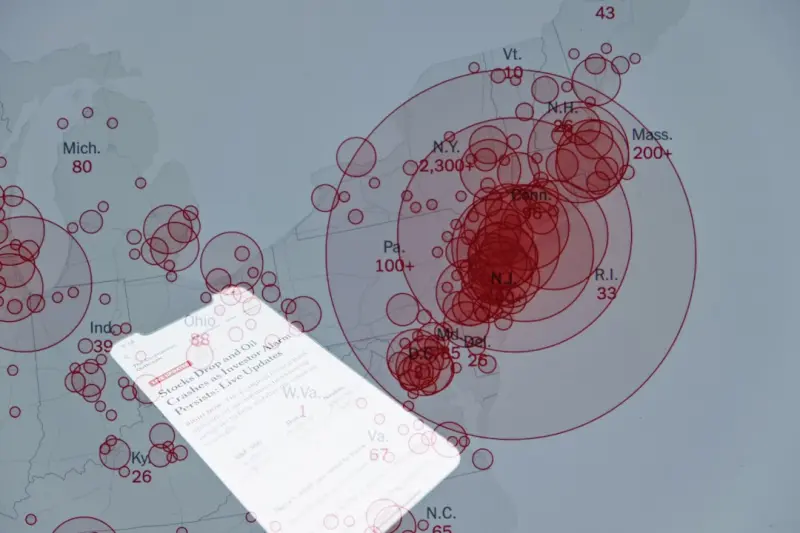
Decoding the Quiet Cancer Crisis: Data, Community, and Personal Power
A data‑rich, community‑focused approach can transform cancer from a hidden risk into a manageabl... Read More
A Holistic Perspective on Living with Cancer
A personal, empowering look at cancer through a holistic lens, blending mind‑body practices, nutri... Read More
Top Posts

The Insider’s Guide to Getting More From Your Health Insurance
I’m sharing the exact steps I use to turn a confusing health insurance plan into a money‑saving, wellness‑boosting tool—so you can stop guessing and sta...Read More
Decoding Autoimmune Disease for High‑Performance Professionals
A comprehensive guide for executives on recognizing, monitoring, and managing autoimmune disease to protect productivity and maintain peak performance....Read More
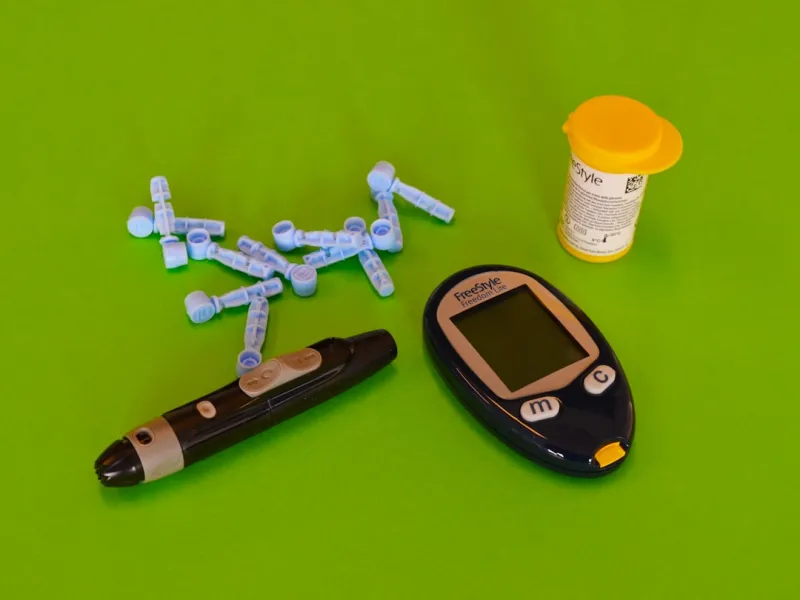
Turning Prediabetes Around: A Holistic Journey to Balance
A candid, holistic guide from personal experience on reversing prediabetes through mindful eating, balanced exercise, quality sleep, and stress mastery....Read More

Healthy Aging from My Desk: Tom Ferguson’s Holistic Blueprint for a Vibrant Future
Tom Ferguson shares his personal, holistic roadmap to healthy aging, covering movement, nutrition, sleep, stress management, and purpose‑driven living for a v...Read More
0 Comments
Post Comment
You will need to Login or Register to comment on this post!