
Why Curiosity‑Driven Cooking Fuels Brain Power
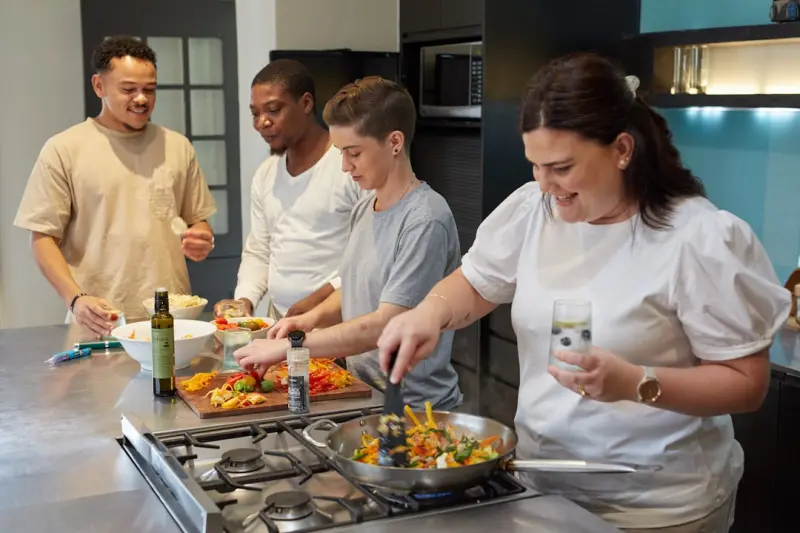
Every time I step into my kitchen, I feel like a scientist in a lab, and that sense of curiosity is a potent neuro‑stimulus. Exploring new ingredients, techniques, and flavor pairings forces the brain to form fresh connections, a process known as neuroplasticity, which keeps cognitive pathways flexible and resilient. When I experiment with a spice I’ve never used before, my prefrontal cortex lights up, orchestrating decision‑making, planning, and the rewarding anticipation of taste. This playful challenge is far more engaging than scrolling through a recipe app passively; it actively recruits memory, attention, and problem‑solving networks, turning a simple dinner into a brain‑building workout.
The Science of Multi‑Sensory Meal Prep
Cooking engages sight, smell, touch, and sound simultaneously, creating a rich tapestry of sensory input that the brain loves. Research shows that multi‑sensory experiences amplify the release of dopamine, the neurotransmitter tied to motivation and learning, which in turn strengthens synaptic connections. The rhythmic chopping of vegetables, the sizzle of oil, the vibrant color of fresh herbs—all these cues fire different neural circuits, encouraging cross‑modal integration that sharpens perception. By intentionally focusing on each sense—watching a caramelizing onion, inhaling the citrus zest, feeling the texture of dough—I give my brain a comprehensive workout that many single‑sense activities simply cannot match.
Memory‑Boosting Recipes You Can Master in 30 Minutes
Speed doesn’t have to sacrifice brain benefits; quick dishes can be cognitive powerhouses when crafted with intention. Consider a turmeric‑infused quinoa bowl paired with roasted walnuts and leafy greens; turmeric’s curcumin and walnuts’ omega‑3s both support hippocampal health, the region responsible for memory formation. Another favorite is a blueberry‑spinach smoothie blended with Greek yogurt and a dash of cinnamon; blueberries flood the brain with flavonoids that improve signaling pathways, while spinach delivers lutein, a nutrient linked to better cognition. Finally, a simple garlic‑lemon salmon sauté, seasoned with rosemary, offers a trifecta of anti‑inflammatory compounds that protect neural tissue. Each of these meals can be assembled in under half an hour, proving that nourishing the brain doesn’t require marathon cooking sessions.
Spice Up Your Synapses: Herbs and Flavonoids That Talk to Your Brain
Spices are more than flavor enhancers; they’re bioactive compounds that communicate directly with neuronal cells. For instance, rosemary contains carnosic acid, which has been shown to improve memory retention and protect against oxidative stress, while sage boasts rosmarinic acid, a natural anti‑inflammatory that supports cognitive clarity. Even the humble cinnamon can stabilize blood glucose levels, preventing the spikes that often lead to mental fog. By sprinkling these herbs into soups, stews, or even a simple oatmeal, you’re essentially delivering a daily micro‑dose of neuroprotective agents that keep your synapses firing efficiently.
From Kitchen to Community: Social Eating as Cognitive Exercise
Sharing a meal isn’t just a cultural tradition; it’s a sophisticated form of social cognition training. Conversing over food challenges the brain’s language centers, empathy circuits, and executive functions, especially when diverse perspectives emerge around the table. I’ve found that hosting a “recipe swap night” where friends bring a dish tied to their heritage sparks storytelling, memory recall, and even a bit of friendly debate—all of which are proven to boost gray matter volume in the temporal lobes. The act of coordinating dishes, timing courses, and ensuring everyone’s preferences are met also hones organizational skills, creating a low‑stress environment where the brain can practice complex social interactions.
Digital Detox While You Cook: Unplug to Rewire
In a world saturated with notifications, the kitchen offers a sanctuary for a deliberate digital fast, and the benefits for brain health are profound. By turning off screens during meal prep, you reduce the constant bombardment of fragmented attention, allowing the default mode network—a brain system linked to creativity and introspection—to activate fully. This quiet focus improves working memory and strengthens attention spans, which are often eroded by multitasking. As you stir, whisk, or knead, you can also practice mindfulness, noticing the present moment without judgment, a practice echoed in tiny mental breaks that have been shown to lower cortisol and enhance neurogenesis.
Practical Blueprint: A Weekly Brain‑Friendly Cooking Plan
To make this approach sustainable, I map out a simple schedule that balances variety, nutrient density, and social interaction.
- Monday: One‑pot lentil stew with turmeric and kale—great for gut‑brain axis health.
- Wednesday: Mediterranean salmon with rosemary, served with a colorful quinoa salad for omega‑3 and antioxidant synergy.
- Friday: Interactive taco night featuring black beans, avocado, and salsa, inviting friends to assemble their own plates.
- Weekend: Baking session—whole‑grain banana bread with walnuts and cinnamon—where the act of measuring and mixing becomes a tactile meditation.
Each day’s meal is purposefully designed to introduce at least one novel ingredient, ensuring that the brain receives a fresh stimulus while the palate enjoys diverse flavors.
Integrating Mindful Movement with Meal Prep
Cooking can double as a low‑impact workout, especially when you incorporate intentional movement patterns. While waiting for a sauce to reduce, I practice playful movement by gently stretching, rotating my shoulders, or performing a quick wall‑push‑up series. These micro‑exercises boost blood flow to the prefrontal cortex, supporting focus and executive function. Even simple actions—like walking briskly to the pantry or balancing on one foot while stirring—engage proprioceptive pathways, reinforcing the brain‑body connection and enhancing overall cognitive resilience.
Final Thoughts: Making the Kitchen Your Daily Brain Gym
When you treat the kitchen as a laboratory for curiosity, a theater for social connection, and a sanctuary for mindful unplugging, you transform everyday cooking into a comprehensive brain‑health regimen. The combination of novel ingredients, multi‑sensory engagement, social interaction, and intentional movement creates a synergistic effect that far exceeds the sum of its parts. By consistently incorporating these practices—whether it’s adding a new herb, inviting friends over for a collaborative dinner, or simply turning off your phone while you sauté—you’re building a resilient, adaptable mind that thrives on variety and challenge. So next time you reach for a spatula, remember: you’re not just preparing a meal, you’re exercising your most valuable organ.

Nikki McDonald is a freelancer based in Waterloo. She brings her skills and expertise to various projects, balancing her professional work with a personal life that includes her husband, Stewart.
Related Posts
Rewiring Your Brain at Work: Microlearning for Sustainable Cognitive Edge
A practical guide to embedding microlearning, purposeful movement, and targeted nutrition into daily... Read More
Holistic Strategies to Boost Brain Health and Cognitive Vitality
Explore a holistic blueprint for brain health, covering nutrition, sleep, movement, stress managemen... Read More
The Impact of Lifestyle on Brain Health: A Holistic Approach
Maintaining optimal brain health requires a holistic approach that considers lifestyle, nutrition, a... Read More
Top Posts

Understanding Prediabetes: A Wake-Up Call for a Healthier Lifestyle
Prediabetes is a condition that affects millions of people worldwide, often without them even realizing it. Learn how to reverse prediabetes and reduce your ris...Read More

When Autoimmune Flare Meets the Boardroom: Strategies for High‑Performers
A pragmatic guide for professionals with autoimmune conditions, offering actionable strategies to balance career demands with health, from energy mapping to dat...Read More

When the Office Plate Becomes a Battleground: Tackling Eating Disorders in the Modern Workplace
Eating disorders are silently proliferating in today’s high‑pressure offices. This article reveals why modern work environments exacerbate disordered eating...Read More
When Data Meets Diet: Real‑Time Analytics for Eating Disorder Recovery
Discover how integrating real‑time biofeedback, thoughtfully designed environments, and personalized data models can create a compassionate, tech‑enabled pa...Read More
0 Comments
Post Comment
You will need to Login or Register to comment on this post!