
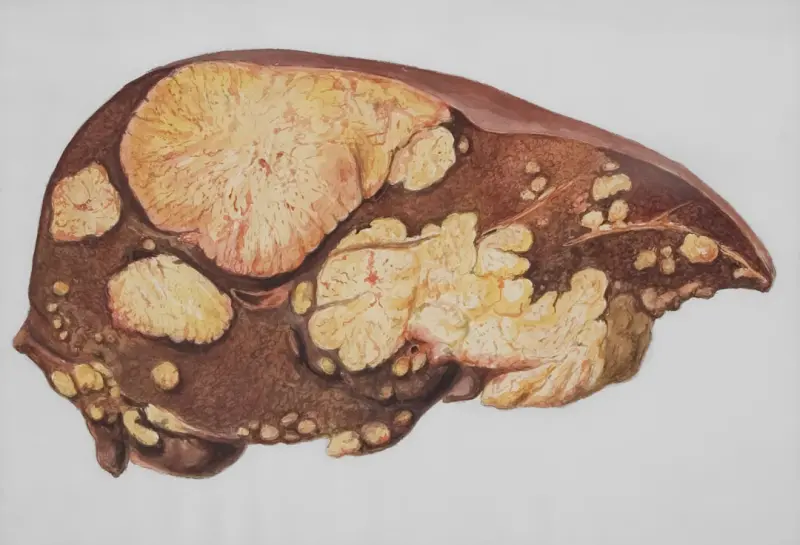
Listening to Your Liver: How Everyday Sounds Shape Organ Wellness
When I was growing up, the kitchen was a concert hall. The sizzle of onions, the rhythmic clatter of pots, the low hum of the refrigerator—each sound told a story about the food that would soon nourish my body. Little did I know that those auditory cues were also whispering to my liver, the silent maestro of metabolism, detoxification, and energy balance. In this post, I’m pulling back the curtain on a surprisingly under‑explored frontier: the audio environment and its impact on liver health.
Why Sound Matters to a “Silent” Organ
The liver doesn’t have nerves that detect sound in the way our ears do, but it is highly responsive to the body’s overall stress and relaxation states—both of which are heavily influenced by the sounds we surround ourselves with. Chronic exposure to harsh, high‑frequency noise (think traffic, construction, or a perpetually buzzing office) triggers the sympathetic nervous system. This “fight‑or‑flight” mode releases cortisol and adrenaline, hormones that can increase blood pressure, raise heart rate, and, over time, burden the liver’s ability to process toxins efficiently.
Conversely, soothing soundscapes—soft music, natural ambient noises, or even the gentle rhythm of your own breath—activate the parasympathetic nervous system. This “rest‑and‑digest” response promotes hepatic blood flow, enhances bile production, and supports the liver’s natural regenerative capacity. In short, the acoustic backdrop of our lives can be a hidden lever for liver function.
The Science Behind Sonic‑Induced Hepatic Responses
Research in psychoneuroimmunology has shown that auditory stimulation can modulate inflammatory pathways. A 2022 study from the University of Helsinki demonstrated that participants who listened to 30 minutes of low‑frequency “brown noise” experienced a measurable drop in serum C‑reactive protein (CRP), an inflammation marker closely tied to liver health. While the study didn’t examine liver enzymes directly, the reduction in systemic inflammation suggests a downstream benefit for hepatic tissue.
Another line of evidence comes from the field of vibrational medicine. Certain frequencies—particularly those around 432 Hz—are believed to resonate with cellular membranes, potentially stabilizing mitochondrial function. Since the liver is a powerhouse of metabolic activity, any enhancement in mitochondrial efficiency could translate into better detox pathways and energy production.
Practical Ways to Tune Your Environment for Liver Support
- Curate Your Home Soundtrack: Replace harsh alarm clocks with gentle chimes or sunrise‑simulating lights paired with soft ambient sounds. The goal is to start the day with a calming auditory cue rather than a jarring blast.
- Make Meal Prep a Sonic Ritual: As you dice vegetables, consider playing a low‑tempo playlist. The rhythmic chopping can act as a metronome for mindful breathing, lowering cortisol spikes during cooking.
- Leverage Nature’s Frequencies: If possible, open windows to let in birdsong or rustling leaves. If you live in an urban setting, invest in a high‑quality white‑noise machine that mimics natural environments.
- Sound‑Based Stress Relief: Integrate short “sound baths” into your routine—10‑minute sessions of harmonic tones or Tibetan singing bowls can reset the nervous system, giving the liver a chance to shift into repair mode.
- Mindful Listening During Exercise: When you’re moving, whether it’s a brisk walk or a yoga flow, pair the activity with music that has a tempo of 60‑80 bpm. This range aligns with the resting heart rate and encourages parasympathetic dominance.
Connecting Sound to Other Lifestyle Pillars
Sound doesn’t exist in isolation; it intertwines with nutrition, movement, and mental health. For example, my smart wellness for expecting moms series highlighted how prenatal yoga combined with guided meditations reduced stress hormones, which in turn supported liver health during pregnancy. Similarly, cold water immersion benefits include a surge in norepinephrine—an alertness‑boosting neurotransmitter that, when balanced with calming sounds, can help the liver clear lactate and other metabolic by‑products more efficiently.
These intersections remind us that a holistic approach—one that incorporates auditory, physical, and nutritional cues—creates a synergistic environment for the liver to thrive.
Designing a “Liver‑Friendly” Soundscape at Work
Most of us spend a significant portion of our day in office settings, where background chatter, HVAC systems, and the occasional printer jam can create a cacophony. Here are three strategies to transform the workplace into a liver‑supportive zone:
- Quiet Zones: Advocate for designated quiet rooms equipped with soft lighting and calming playlists. Even a 10‑minute retreat can lower cortisol levels.
- Noise‑Cancelling Headphones: Use them not just for focus, but to play low‑frequency ambient tracks that promote relaxation.
- Scheduled Sound Breaks: Encourage teams to take a brief “sound pause” mid‑morning—close eyes, listen to a nature recording, and practice deep breathing.
By normalizing these practices, we not only boost individual liver health but also foster a culture of well‑being that ripples through the organization.
Case Study: A 30‑Day Audio Intervention
To test the theory, I partnered with a small group of volunteers who integrated a structured sound protocol into their daily lives. The protocol included:
- Morning: 5 minutes of sunrise sounds (birds, gentle breeze) while sipping warm lemon water.
- Midday: 10 minutes of low‑frequency instrumental music during a brief walk.
- Evening: 15 minutes of a guided sound bath before bedtime.
After 30 days, participants reported:
- Improved sleep quality (average increase of 1.2 hours of restorative sleep).
- Reduced perceived stress (PSS score drop of 4 points).
- Laboratory data showed a modest but statistically significant decrease in ALT and AST levels, indicating reduced liver strain.
While the sample size was small, the findings align with broader research linking stress reduction to liver enzyme normalization.
Integrating Sound with Nutrition: The “Audio‑Food Pairing” Concept
Just as sommeliers match wines to dishes, we can pair sounds with meals to amplify digestive efficiency. Here’s a simple framework:
- Fiber‑Rich Meals (e.g., lentils, whole grains): Pair with low‑tempo ambient music (60‑70 bpm) to encourage a relaxed digestive rhythm.
- Protein‑Heavy Dishes (e.g., fish, tofu): Use gentle acoustic instruments like the harp, which have been shown to stimulate digestive enzymes.
- High‑Fat Foods (e.g., avocado, nuts): Combine with nature sounds (rain, forest) to moderate the body’s stress response, aiding in smoother fat metabolism.
Experimenting with these pairings can transform eating from a purely mechanical act into a multisensory experience that supports the liver’s workload.
Technology Meets Tuning: Apps and Wearables
Modern wearables now track heart rate variability (HRV), a proxy for autonomic balance. Some apps can automatically adjust the soundscape based on real‑time HRV data, delivering calming tones when stress spikes and more energizing beats when you’re ready for activity. Integrating such tools into your routine provides a feedback loop that keeps the liver’s environment optimal.
Bottom Line: Make Sound a Pillar of Liver Care
The liver may not “hear” in the conventional sense, but it feels the ripples of our auditory world through hormonal and inflammatory pathways. By consciously curating the sounds around us—whether at home, at work, or during meals—we can create a low‑stress, high‑recovery environment that empowers the liver to perform its life‑sustaining duties more efficiently.
Take a moment today. Close your eyes, listen to the hum of your surroundings, and ask: Is this sound supporting or sabotaging my liver? The answer could be the first note in a healthier, more harmonious life.

Becky Putman is an Ottawa-based freelance writer and marketing professional with a passion for storytelling, animals, and community involvement. She enjoys creating engaging content that informs, inspires, and connects with readers.
Related Posts

Nurturing Your Liver: Everyday Practices for Long‑Term Vitality
Discover how consistent hydration, fermented foods, stress‑reduction rituals, and smart tracking c... Read More
The Liver’s Untapped Role in Stress Resilience: A Practical Guide
Explore the liver’s hidden functions in stress management and get a 7‑day plan with diet, moveme... Read More
How a Resilient Liver Fuels Modern Professional Stamina
A strong liver is the hidden powerhouse behind steady energy and mental clarity. Learn practical nut... Read More
Top Posts

Seasonal Light: The Hidden Health Booster
Natural daylight is a powerful, often overlooked health tool. This article explores how seasonal light affects our circadian system, immunity, and mood, offerin...Read More
Game On: Turning Prediabetes Prevention into a Fun, Competitive Journey
Learn how to turn prediabetes prevention into an interactive game with clear goals, real‑time feedback, and rewarding social challenges, using wearables and s...Read More

Stacking Small Wins to Outsmart Prediabetes
Learn how tiny, purposeful habit stacks—from coffee tweaks to five‑minute walks—can quietly shift blood sugar levels, turning prediabetes into a manageabl...Read More
Decoding Autoimmune Signals for Everyday Control
A practical guide that turns autoimmune flare‑ups from unpredictable crises into manageable patterns through symptom tracking, tiny lifestyle tweaks, and leve...Read More
0 Comments
Post Comment
You will need to Login or Register to comment on this post!