
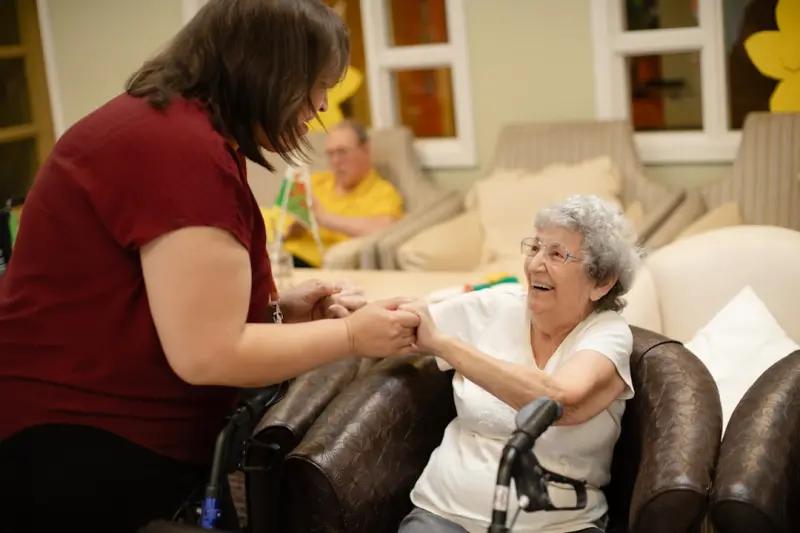
Reimagining the Senior Living Space: Safety, Comfort, and Brain Health
When I first walked into a retirement community as a volunteer physical therapist, I was struck not by the glossy brochures or the polished hallways, but by the subtle ways the environment whispered to its residents. A flickering hallway light could trigger a startle response, a cluttered kitchen counter could become an obstacle, and a dimly lit bedroom could sabotage sleep. Over the years, I’ve come to view the home not just as a roof over one’s head, but as an active participant in health—especially for seniors whose bodies and brains are constantly negotiating the balance between independence and vulnerability.
In this piece I’ll share a blueprint for senior‑friendly home design that goes beyond the usual checklist of grab bars and wheelchair‑friendly doors. We’ll explore how lighting, texture, sound, and even scent can be harnessed to protect the body, nurture the mind, and preserve dignity. The ideas are practical, evidence‑based, and can be rolled out incrementally—no massive renovation required.
1. Light as a Biological Reset Button
The first thing to consider is illumination. Light is far more than a visual aid; it is a master regulator of our circadian rhythm—the internal clock that orchestrates hormone release, body temperature, and even cognition. Seniors often experience a blunted melatonin surge, making it harder to fall asleep and stay alert during the day. By smart lighting for circadian health, you can gently nudge the body back into sync.
- Morning boost: Install tunable LED bulbs in the kitchen or bathroom that emit a cool, blue‑rich light for the first hour after waking. This signals the brain to suppress melatonin and kick‑start cortisol, enhancing alertness.
- Mid‑day clarity: Keep natural light flowing through windows or skylights. If privacy is a concern, sheer curtains let daylight in while maintaining modesty.
- Evening wind‑down: Switch to warm, amber‑tinted bulbs after sunset. Dimmable fixtures allow the light level to taper gradually, cueing the body for sleep.
Even small adjustments—like adding a plug‑in sunrise alarm lamp—can make a measurable difference in sleep quality and mood. The payoff is a sharper mind, steadier blood pressure, and a reduced risk of falls caused by drowsiness.
2. Flooring that Feels Like a Safety Net
Falls are the leading cause of injury among adults over 65. While grab bars are essential, the flooring itself can act as a silent guardian. Look for surfaces that provide traction without being harsh on joints.
- Low‑pile, non‑slip rugs: Opt for rugs with a rubber backing or a low‑pile weave. Avoid high‑pile shag that can become a tripping hazard.
- Therapeutic floor mats: In high‑traffic zones—like the kitchen or entryway—consider interlocking foam tiles that cushion a stumble and absorb impact.
- Contrast edges: Use a slightly different color or texture at thresholds (e.g., between carpet and hardwood) to give the eyes a visual cue, reducing the chance of missteps.
When choosing flooring materials, think about the “soft‑landing” principle: a surface that is forgiving enough to reduce injury but firm enough to provide stability.
3. The Power of Sound: From White Noise to Gentle Melodies
Our auditory environment is often overlooked, yet it plays a pivotal role in stress management and cognitive function. Sudden loud noises can startle seniors, leading to spikes in blood pressure and a cascade of anxiety. Conversely, a gentle soundscape can promote calm and focus.
- White noise machines: A low‑volume fan or dedicated white‑noise device masks abrupt sounds from traffic or neighboring apartments.
- Nature playlists: Soft recordings of rain, birdsong, or ocean waves have been shown to lower cortisol levels and improve sleep latency.
- Personalized music stations: Curate playlists of familiar songs from the resident’s youth. Music evokes memory, stimulates neuroplasticity, and can even improve gait speed when paired with walking.
Integrating sound strategically—such as a night‑time playlist set to fade out after 30 minutes—creates a soothing auditory cocoon without overwhelming the senses.
4. Texture and Tactile Cues: Guiding the Body Without Words
Many seniors experience diminished vision or proprioception. Adding tactile cues to key areas of the home can provide an extra layer of safety.
- Textured handrails: A subtle ribbed grip on bathroom grab bars reminds the user where to hold, reducing the risk of slipping.
- Floor markers: Small, low‑contrast tactile strips at the edge of steps or in front of the bathtub act as a gentle reminder of a change in elevation.
- Temperature‑sensitive mats: Mats that change color when they become too hot or cold can prevent burns or hypothermia, especially for those with reduced skin sensitivity.
These low‑tech interventions require minimal cost but deliver high impact, especially for residents with early‑stage dementia who rely heavily on non‑verbal cues.
5. Scent as an Unconscious Health Ally
Our sense of smell is intimately linked to memory and emotion. Aromas can also influence respiratory health and appetite, both crucial for seniors.
- Citrus or peppermint: These invigorating scents can help clear nasal passages, making breathing easier during cold seasons.
- Lavender or chamomile: When diffused in the evening, they encourage relaxation and improve sleep onset.
- Herbal herbs: A pot of rosemary or basil on the kitchen windowsill not only adds flavor to meals but also stimulates appetite—a common challenge for older adults.
When using essential oils, always opt for high‑quality, therapeutic‑grade products and ensure ventilation to avoid overwhelming the senses.
6. Adaptive Kitchen Design: Nutrition Meets Independence
Nutrition is the cornerstone of senior health, yet many older adults struggle with meal preparation due to limited mobility or dexterity. Redesigning the kitchen to be more accessible can empower residents to cook wholesome meals, preserving both physical strength and cognitive engagement.
- Pull‑out shelves: Replace deep cabinets with pull‑out drawers that bring items within easy reach, reducing the need to stretch or climb.
- Lever‑style faucets: These require less grip strength than traditional knobs, making handwashing and dishwashing safer.
- Adjustable-height countertops: A simple riser can transform a standard counter into a comfortable work surface for a seated cook.
When seniors can maintain control over their meals, they experience a sense of autonomy that fuels mental well‑being and reduces reliance on processed, low‑nutrient foods.
7. Leveraging Wearable Technology Without Overcomplication
Technology often feels intrusive, but when used judiciously it can act as a silent guardian. Wearable micro‑movement trackers are now compact enough to sit discreetly on the wrist or as a clip‑on for clothing. These devices can monitor heart rate variability, detect sudden drops in blood pressure, and even alert caregivers if a fall is detected.
The key is simplicity: choose a device with a single‑button interface, automatic syncing, and clear alerts. Pair it with a family member’s smartphone so that any abnormal readings trigger a gentle check‑in rather than an alarm that could cause anxiety.
8. Community Spaces: The Social Architecture of Health
While the home is the primary environment, the layout of communal areas within senior residences also shapes health outcomes. Open‑plan lounges that encourage natural movement, low tables for seated games, and clearly marked pathways reduce the mental load of navigation.
In addition, creating “conversation corners” with comfortable seating and good acoustics invites spontaneous social interaction—a proven booster for cognitive resilience. When seniors feel connected, they’re more likely to engage in physical activity, adhere to medication schedules, and maintain a positive outlook.
9. Personalizing the Space: The Psychology of Belonging
Finally, the most powerful design element is personalization. A photo wall, cherished heirlooms, or a favorite reading chair can anchor identity and reduce the disorientation often experienced in institutional settings. Encourage residents to bring personal items and integrate them into the decor. This not only honors their life story but also creates visual cues that support memory retrieval.
Putting It All Together: A Step‑by‑Step Action Plan
Transforming a senior living space does not have to be a daunting project. Here’s a manageable roadmap:
- Audit the lighting: Replace one overhead bulb with a tunable LED. Observe changes in sleep patterns over two weeks.
- Upgrade flooring in high‑risk zones: Lay non‑slip mats in the bathroom and entryway.
- Introduce sound therapy: Set a white‑noise machine in the bedroom for nighttime use.
- Add tactile markers: Install low‑contrast strips at step edges.
- Start a scent routine: Diffuse lavender for 30 minutes before bedtime.
- Reconfigure kitchen storage: Install a pull‑out shelf for everyday dishes.
- Trial a wearable: Choose a simple wrist‑monitor for one month, focusing on heart rate alerts.
- Personalize: Hang a photo collage in the living room that reflects the resident’s history.
Each step reinforces the others, creating a holistic environment where safety, comfort, and brain health reinforce one another. By approaching design as a dynamic partnership between the resident and their surroundings, we can shift the narrative from “managing decline” to “cultivating thriving longevity.”
In my years of working alongside seniors, I’ve witnessed how subtle environmental tweaks can reignite a spark of independence—whether it’s a resident confidently navigating a newly lit hallway or a grandparent joyfully preparing a simple salad in a kitchen designed for their reach. The home, when thoughtfully curated, becomes a silent therapist, a memory cue, and a daily champion of health.
Remember, the goal isn’t to create a sterile, ultra‑modern space that feels clinical; it’s to weave safety, comfort, and cognitive enrichment into the fabric of everyday life. When the environment respects the body’s limits and the mind’s curiosities, seniors can continue to write their stories with vigor, one well‑lit, well‑tuned day at a time.

Craig Brett is a freelancer with a passion for the outdoors. His love for nature inspires his work, bringing authentic and engaging perspectives to projects related to outdoor activities, adventure, and environmental topics.
Related Posts
Finding New Energy: How Seniors Can Thrive Through Community Gardening
Explore the holistic benefits of community gardening for seniors—improved mobility, sharper cognit... Read More

Holistic Paths to Thriving Senior Health
A personal, holistic guide for seniors, blending movement, nutrition, sleep, and community to nurtur... Read More
Reimagining Aging: How Seniors Can Harness Everyday Tech for Health and Connection
A practical guide showing seniors how to use wearables, smart home tweaks, and digital social hubs t... Read More
Top Posts

Colorectal Cancer Screening Saves Lives
Colorectal cancer is highly preventable when caught early through routine screening. By identifying and removing precancerous polyps, you can stop the disease b...Read More

Craig Brett’s Holistic Blueprint for a Healthy Liver in 2024
Craig Brett reveals a comprehensive liver‑first plan that blends diet, sleep, exercise, gut health, and targeted herbs, empowering you to protect and rejuvena...Read More
Virtual Communities Boost Senior Cognitive Resilience
Virtual communities provide seniors with meaningful social interaction, micro‑movement breaks, and gut‑friendly nutrition tips, creating a powerful blend th...Read More
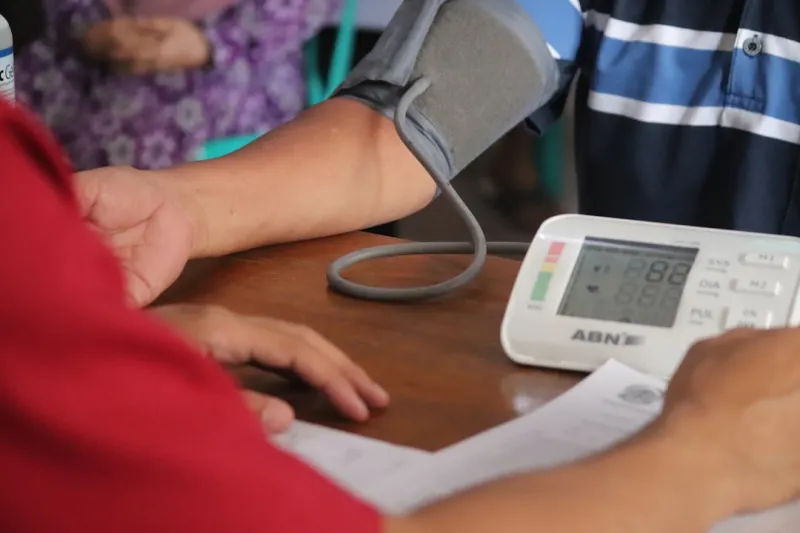
Managing Blood Pressure through Lifestyle Changes
Maintaining healthy blood pressure is essential for overall well-being. Learn how to manage blood pressure through lifestyle changes, including diet, exercise, ...Read More
0 Comments
Post Comment
You will need to Login or Register to comment on this post!