
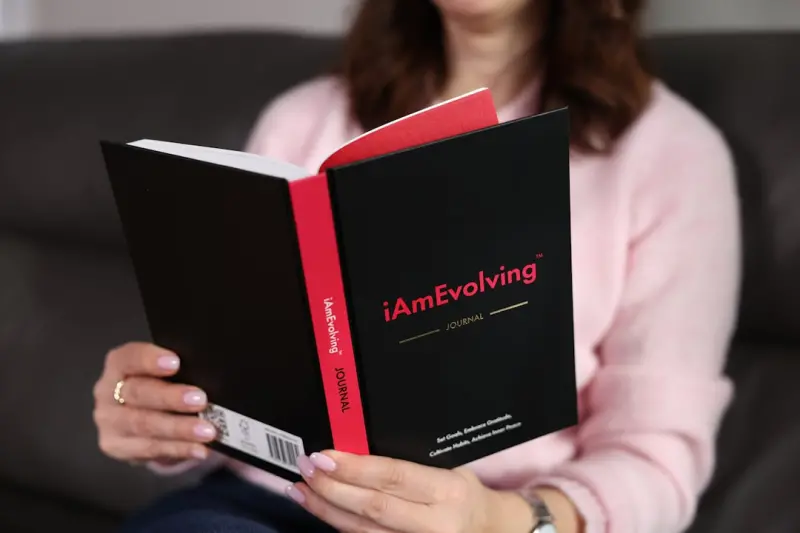
Introduction to Sensory Brain Health
When I first started chronicling my own brain‑boosting experiments, I realized that the most powerful upgrades weren’t pills or strict diets, but the simple act of inviting a richer tapestry of senses into my daily routine; the brain, after all, evolved to thrive on a kaleidoscope of sights, sounds, textures, and aromas, and when those inputs are deliberately curated, neuroplastic pathways light up like fireworks on a dark night. Multisensory environments become silent coaches, coaxing neurons to forge new connections, strengthen existing ones, and even rewire around age‑related decline, all without the need for a lab coat or a costly supplement regimen. In my own kitchen, I’ve swapped sterile white plates for earthy ceramics, layered fragrant basil over roasted vegetables, and turned my morning playlist into a low‑frequency sound bath, watching my focus sharpen and my mood lift in ways that felt almost magical yet were grounded in hard science. This article is a love letter to the senses, a roadmap for anyone who wants to harness the brain’s innate love of variety and turn ordinary spaces into cognitive superchargers.
Why Multisensory Matters
The scientific backbone of this approach lies in the principle of neuroplasticity, the brain’s lifelong ability to reorganize itself in response to experience, and researchers have shown that when multiple sensory modalities are activated simultaneously, the resulting synaptic fireworks are exponentially greater than when a single sense is engaged; a study from the University of Cambridge demonstrated that participants who learned a new language while also listening to ambient nature sounds and handling textured objects retained vocabulary 30% better than those who relied on auditory input alone. This isn’t just a novelty effect; the brain’s default mode network, responsible for memory consolidation and creative insight, lights up when diverse stimuli converge, creating a fertile ground for both analytical and imaginative thinking to flourish side by side. In practice, this means that a well‑designed environment can become a silent trainer, nudging the brain toward resilience and agility without any conscious effort on our part.
Crafting a Multisensory Environment
At home, the first step is to audit the visual palette: replace harsh fluorescent lighting with warm, adjustable LEDs, sprinkle in a few green plants that not only purify air but also provide soothing visual texture, and consider a rotating gallery of artwork that varies in color temperature and complexity, because the brain’s visual cortex thrives on novelty and contrast. Next, introduce tactile richness by swapping smooth plastic kitchen tools for wooden spoons, laying a woven rug beneath your desk, or even keeping a small jar of smooth river stones within arm’s reach for occasional fidgeting; these subtle texture changes stimulate the somatosensory cortex, which in turn communicates with prefrontal regions governing attention and problem‑solving. Finally, scent is an often‑overlooked ally: a dash of rosemary in your morning coffee, a lavender diffuser during afternoon work sessions, or the earthy aroma of a fresh pine branch can trigger limbic system pathways linked to memory and mood, effectively turning your home into a multi‑modal brain gym.
One of my favorite ways to weave nature into the daily routine is to harness soundscapes that echo the outdoors; a gentle stream, distant bird calls, or a subtle wind rustle can be streamed through a discreet speaker while you read or code, creating a backdrop that steadies heart rate and boosts focus. This technique aligns perfectly with the ideas explored in Nature‑Driven Strategies for Vibrant Healthy Aging, where the authors emphasize that auditory immersion in natural environments not only reduces stress hormones but also promotes the growth of new dendritic spines in the hippocampus, the brain’s memory hub. Pairing these sounds with a low‑intensity visual stimulus—like a softly glowing salt lamp—creates a layered sensory experience that keeps the brain engaged without overstimulation.
Movement, too, is a sensory powerhouse; rhythmic activities such as dancing, yoga, or even paced walking while listening to a metronome can synchronize motor and auditory cortices, reinforcing neural circuits that support coordination and executive function. This is where the concepts from The Hormetic Edge intersect with multisensory design, because controlled, moderate physical stress serves as a hormetic stimulus, prompting the release of brain‑derived neurotrophic factor (BDNF) that fuels synaptic growth. By integrating short bursts of movement into your workday—think a five‑minute stretch routine timed to a favorite beat—you’re not just breaking up sedentary habits, you’re delivering a curated dose of sensory‑motor synergy that sharpens cognition.
Making It a Lifestyle
Technology can be both a distraction and a tool; the key is to curate digital experiences that complement, rather than compete with, your sensory ecosystem. Switch off notifications during deep‑work blocks and replace them with subtle visual cues—like a changing desktop wallpaper that transitions through calming color gradients—to signal the brain that it’s time to shift gears, leveraging the brain’s innate responsiveness to visual change. When you do need to engage with screens, consider using a blue‑light filter and pairing the session with a gentle aroma diffusing lavender, turning the inevitable screen time into a multisensory micro‑ritual that keeps stress hormones at bay. This mindful pairing helps the brain associate technology use with calm focus, rather than the anxiety spikes that often accompany endless scrolling.
Community amplifies the benefits of multisensory living, because sharing experiences creates a social feedback loop that further entrenches neural pathways; invite friends over for a “sensory dinner” where each course is designed around a specific sense—visual plating, aromatic herbs, textural contrasts, and a curated playlist—then discuss how each element impacted your mood and cognition. These shared moments not only reinforce the brain’s reward circuitry through social bonding but also provide a repository of ideas you can remix in future experiments, turning your circle into an ever‑expanding laboratory of sensory innovation.
Finally, consistency is the secret sauce; the brain rewards repeated exposure by consolidating new pathways during sleep, so make a habit of rotating sensory elements weekly—swap a new plant, change the scent profile, introduce a different genre of background music—to keep the neural landscape dynamic yet familiar enough to avoid overwhelm. Over months, you’ll notice subtle shifts: sharper memory recall during meetings, a steadier emotional baseline, and a heightened sense of curiosity that makes even mundane tasks feel like opportunities for discovery. Embrace the process, trust the science, and let your senses be the architects of a more vibrant, resilient mind.

Nikki McDonald is a freelancer based in Waterloo. She brings her skills and expertise to various projects, balancing her professional work with a personal life that includes her husband, Stewart.
Related Posts

Cooking Up Cognitive Strength: How Curious Kitchen Habits Boost Brain Health
Explore a fresh angle on brain health: using curious cooking, novel ingredients, and mindful kitchen... Read More
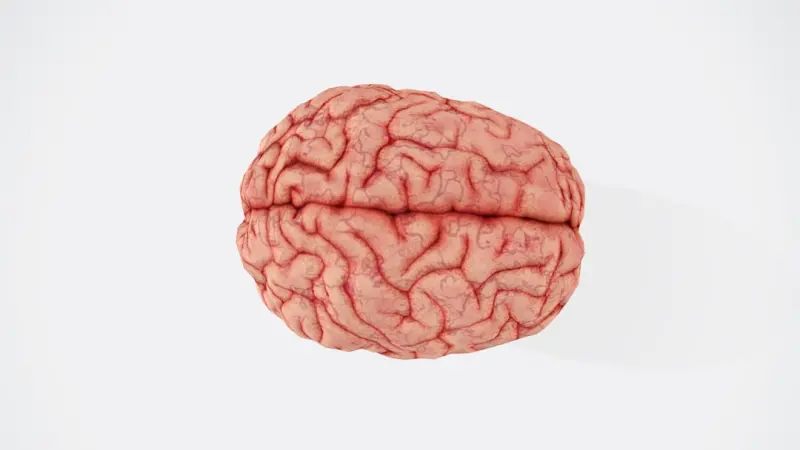
Rebooting Your Brain: Strategies for Cognitive Vitality in a Hyperconnected Era
Learn a four‑pillar system—digital hygiene, neuro‑nourishment, structured cognitive play, and ... Read More

Cultivating Cognitive Vitality Through Micro‑Learning
Micro‑learning—short, focused knowledge bites—offers a practical roadmap to enhance brain heal... Read More
Top Posts

Immersive Physiotherapy: How VR Is Redefining Rehab for Real‑World Recovery
Virtual reality is turning physiotherapy into an engaging, data‑rich experience that bridges the clinic‑home gap, accelerates neuro‑plasticity, and empowe...Read More
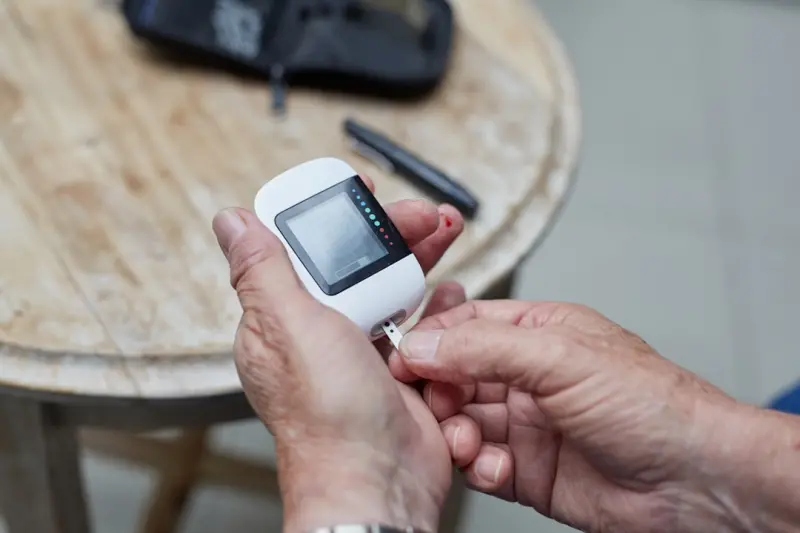
Unlocking the Hidden Levers of Prediabetes: Data, Environment, and Tiny Wins
A data‑centric guide shows how aligning carb timing, adding micro‑breaks, optimizing light and air, and using personal dashboards can transform prediabetes ...Read More

When Shadows Stir: Unpacking Sleep Terrors From a Whole‑Person Lens
Sleep terrors are a physiological alarm that reveals hidden stress. This article breaks down the neuro‑biology, cultural scripts, and actionable strategies to...Read More

Rewriting Your Weight Story: How Narrative Therapy Fuels Sustainable Fat Loss
A fresh take on weight loss shows that changing the story you tell yourself—seeing yourself as a hero rather than a victim—can rewire habits, boost motivati...Read More
0 Comments
Post Comment
You will need to Login or Register to comment on this post!