

When I first walked into a clinic that boasted a headset, motion sensors, and a room that felt more like a gaming lounge than a rehab space, I admit I was skeptical. Physiotherapy has always been about hands‑on assessment, manual techniques, and progressive exercises. The idea that a screen could replace—or even augment—those tactile tools seemed like a gimmick. Fast‑forward a few months, and I’m leading workshops where clinicians are training patients to “step into” their own recovery. The truth? Immersive technology isn’t a novelty; it’s a catalyst that’s reshaping how we think about movement, pain, and the brain‑body connection.
Why Immersive Tech Deserves a Seat at the Physiotherapy Table
Our nervous system is a prediction machine. It constantly anticipates the sensory feedback from our muscles, joints, and the environment. When that prediction is off—say, after an ankle sprain—the brain can over‑protect the limb, leading to stiffness, altered gait, and a prolonged rehab timeline. Traditional physiotherapy combats this by repetitive, task‑specific training that rewires those faulty predictions.
Virtual reality (VR) and augmented reality (AR) give us a shortcut to that rewiring. By placing a patient in a controlled, multisensory environment, we can:
- Provide immediate, rich visual and auditory feedback. The brain learns faster when it can see the consequences of movement in real time.
- Gamify repetitive drills. Points, levels, and progress bars turn “do the same heel‑slide 30 times” into a quest to unlock the next virtual landscape.
- Simulate real‑world challenges safely. Imagine training balance on a virtual narrow bridge before the patient ever steps onto a physical balance beam.
- Collect granular data. Motion capture integrated with the headset logs joint angles, speed, and symmetry down to the millisecond, giving clinicians a data‑driven roadmap.
All of these benefits converge into one overarching goal: accelerated neuro‑plasticity. By feeding the brain a richer, more accurate picture of movement, we shorten the time it takes to unlearn maladaptive patterns and relearn efficient ones.
From Headset to Home: Bridging the Gap
One of the biggest challenges in physiotherapy has always been the “homework” gap. Patients leave the clinic with a stack of paper handouts, but adherence drops dramatically once they’re back in their living rooms. That’s where immersive tech meets the idea of turning your home into a physiotherapy ally. Portable VR headsets are now as affordable as a mid‑range tablet, and many come with built‑in sensors that map a room’s dimensions without extra hardware.
Picture this: after a knee arthroscopy, your therapist sets you up with a 15‑minute “Mountain Trail” module. The virtual trail gently slopes, requiring you to shift weight, engage the quadriceps, and monitor knee alignment—all while a soothing soundtrack keeps you motivated. The system records every knee angle, compares it to the therapist‑provided “ideal” range, and sends a concise report back to the clinic. The next session, the therapist reviews the data, celebrates the wins, and tweaks the next module based on where you faltered.
This feedback loop collapses the traditional 7‑day gap between clinic visits, turning recovery into a continuous, data‑rich conversation. And because the exercises are embedded in a narrative, patients are far more likely to log in daily.
Designing Effective Immersive Sessions
Not every VR experience is therapeutic. Successful programs share three core design principles:
- Task relevance. The virtual task must mirror a real‑world functional goal—whether it’s reaching for a grocery bag, navigating a crowded hallway, or stepping onto a curb.
- Progressive overload. Just like traditional strength training, the virtual challenge should increase incrementally—higher speeds, tighter balance constraints, or added distractions.
- Clear, actionable feedback. Patients need to know exactly what they did right or wrong. Visual cues (e.g., a glowing trail when the knee stays within range) and auditory signals (e.g., a “ding” for correct timing) keep the brain engaged.
When these elements align, the experience feels less like a “gadget demo” and more like a purposeful therapy session.
Case Study: A Young Athlete’s Return to Play
Six months ago, a 19‑year‑old soccer player named Maya suffered a grade‑II hamstring strain. Traditional rehab got her to 80% strength, but she was hesitant to sprint—her brain still associated the hamstring with pain.
We introduced her to a VR sprint simulation. The module projected a stadium crowd, a timer, and a virtual opponent. Every stride was captured, and the system highlighted any asymmetry in hip extension. Within three weeks, Maya’s sprint speed improved by 15%, and she reported a noticeable drop in fear‑based tension.
When Maya finally returned to the field, she credited the “virtual races” for rebuilding her confidence. Her story underscores a powerful truth: when the brain sees success in a safe, repeatable environment, it translates that success to the real world.
Integrating Wearables for a Holistic Picture
While VR excels at delivering immersive visual cues, combining it with wearables creates a 360‑degree view of recovery. Sensors that track heart rate variability, muscle oxygenation, or even skin conductance can be streamed into the VR platform, allowing the system to adjust intensity on the fly.
For instance, if a patient’s heart rate spikes unexpectedly during a balance challenge, the program can automatically lower the difficulty or introduce a guided breathing exercise. This dynamic adaptation mirrors the way an in‑person therapist would respond, but it happens in real time, without the therapist needing to be physically present.
Read more about how sensors are already shaping chronic disease management in When Sensors Meet Symptoms: Harnessing Wearables to Tame Autoimmune Flare‑Ups.
Overcoming Common Concerns
Cost. The upfront price of a headset can seem steep, but many insurers are beginning to recognize VR as a reimbursable modality, especially when outcomes improve. Moreover, the long‑term savings from reduced clinic visits and faster return‑to‑work can offset the investment.
Motion sickness. A small subset of users experience cybersickness, especially with high‑latency systems. The solution lies in high‑refresh‑rate displays, calibrated field‑of‑view, and gradually increasing exposure time.
Data privacy. As with any digital health tool, ensuring HIPAA‑compliant data handling is non‑negotiable. Choose platforms that encrypt data at rest and in transit, and always obtain informed consent before data collection.
Practical Steps for Clinics Ready to Dive In
- Start small. Pilot a single module—perhaps a gait analysis game—and gather feedback from both clinicians and patients.
- Train the team. Offer hands‑on workshops so therapists feel comfortable navigating the software and interpreting the data.
- Integrate with existing EMR. Ensure that the VR data can be exported to the patient’s chart, maintaining a seamless record.
- Measure outcomes. Track key metrics—pain scores, functional test results, and adherence rates—to build a case study for broader adoption.
By treating immersive tech as an extension of the therapist’s toolbox—rather than a replacement—you preserve the core of physiotherapy: the human connection, the clinical expertise, and the compassionate guidance that drives healing.
Looking Ahead: The Future Landscape
We’re only scratching the surface. Upcoming innovations promise:
- Haptic feedback suits. Imagine feeling resistance when you “push” a virtual door, deepening muscle engagement.
- AI‑driven personalization. Machine learning models could predict which virtual tasks will yield the fastest functional gains for each individual.
- Mixed‑reality group sessions. Patients could rehab side‑by‑side in a shared virtual environment, fostering motivation through friendly competition.
As these technologies mature, the line between the clinic and the living room will blur, and physiotherapists will become both movement specialists and experience designers. The challenge—and the opportunity—is to stay grounded in evidence‑based practice while embracing the creative possibilities that immersive tech offers.
In my own practice, I’ve seen patients who once dreaded “exercise time” eagerly log in each morning, eyes glued to the horizon of a virtual mountain range, their bodies moving in ways they hadn’t imagined possible. That transformation—turning apprehension into anticipation—is the most compelling proof that immersive technology isn’t just a flashy add‑on; it’s a new pathway to lasting, meaningful recovery.

Jessica Hall is a dynamic freelance writer based in the vibrant city of London, Ontario. As a dedicated single mom, she expertly juggles the demands of parenthood with her passion for storytelling, crafting compelling narratives that resonate with readers. With a background in retail, Jessica brings a unique perspective to her writing, infusing her work with insights drawn from her experiences
Related Posts
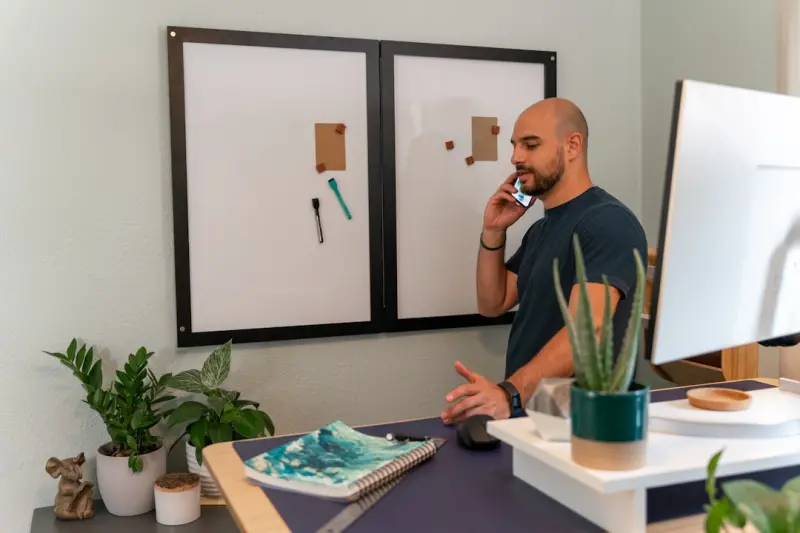
Reimagining the Home Office: A Physiotherapist’s Playbook for Movement‑Rich Workdays
Learn how to integrate physiotherapy‑backed micro‑bites, dynamic stretches, ergonomic tweaks, an... Read More
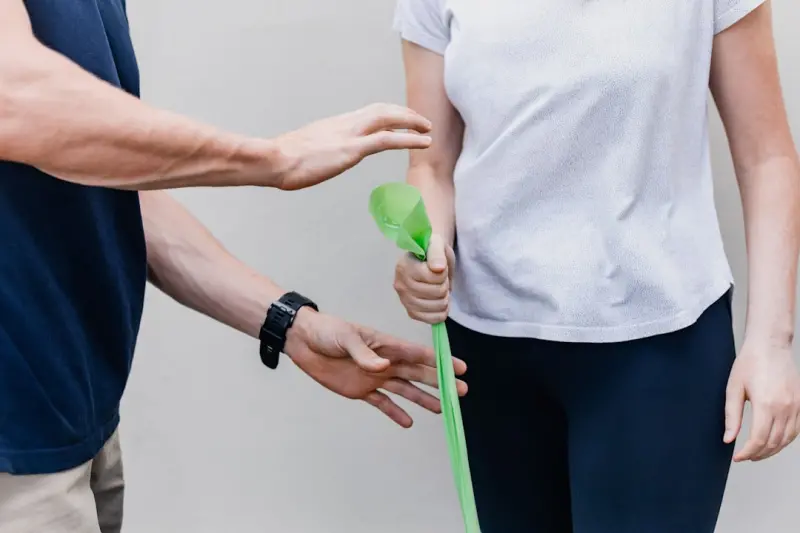
Proprioceptive Mastery: Redefining Physiotherapy for Faster Recovery
Proprioceptive training combined with wearable technology is revolutionizing physiotherapy. Learn wh... Read More
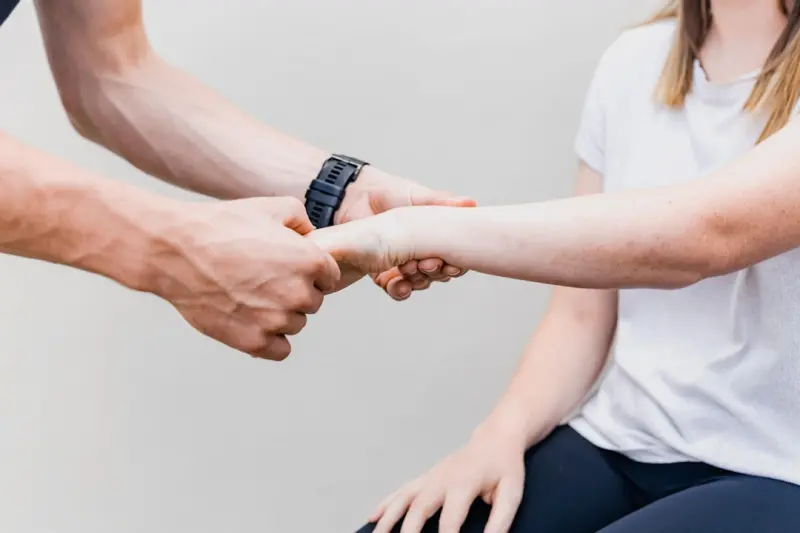
Reimagining Physiotherapy: The Rise of Digital Motion Coaching
Digital motion coaching blends wearable sensors, AI analysis, and interactive platforms to extend ph... Read More
Top Posts

Grounding Your Body: A Nature‑Based Detox Journey
Grounding, or earthing, reconnects you to the planet’s natural electrons, reducing inflammation and enhancing sleep, energy, and recovery. Learn practical ste...Read More

Chrono‑Hormesis: Syncing Stress With Your Body Clock for Longevity
Learn how timing mild stressors—cold exposure, light therapy, and intermittent fasting—to your body’s natural rhythms can amplify cellular repair, reduce ...Read More
Micro‑Movements: Tiny Exercise Bursts Transform Your Day
Micro‑movements—brief, frequent bursts of activity—can dramatically improve energy, focus, and overall health. Learn practical ways to integrate them into...Read More

Why Curiosity Fuels Longevity: The Science Behind a Lifetime of Learning
Curiosity isn’t just a mental habit; it triggers hormonal balance, boosts brain plasticity, and supports gut health, creating a powerful, natural pathway to a...Read More
0 Comments
Post Comment
You will need to Login or Register to comment on this post!