
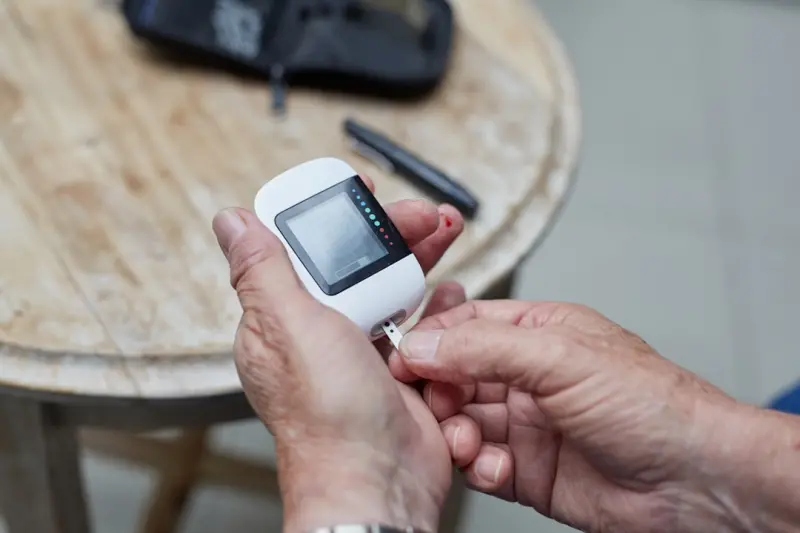
When I first ran a blood panel on a client who thought “I’m fine, I just snack a little,” the numbers whispered a different story: fasting glucose nudging the prediabetes threshold, a hemoglobin A1c flirting with 5.7%, and a resting heart rate that hinted at hidden stress. It was a moment that crystallized my belief that prediabetes isn’t a vague warning—it’s a data‑rich invitation to intervene before the disease writes its own script.
Why Prediabetes Deserves a Data‑First Lens
Most conversations around prediabetes orbit around diet “do’s and don’ts” or the dreaded “lose 10 % of body weight.” Those are valuable, but they treat the condition as a monolith. In reality, prediabetes is a constellation of metabolic signals that shift throughout the day, week, and even season. By mapping those fluctuations, we can pinpoint the exact levers that, when nudged, produce outsized benefits.
- Glucose variability tells us more about insulin sensitivity than a single fasting number.
- Blood pressure trends intersect with glycemic control, especially under chronic stress.
- Micro‑moments of inactivity—those five‑minute scrolls or prolonged sitting—can spike insulin resistance without us realizing.
Seeing prediabetes through this granular prism transforms a vague “risk” into a series of actionable data points.
1. Harnessing Glucose Timing (Chrononutrition) to Outsmart the Curve
Traditional advice lumps all carbs together, but the body’s response to glucose is wildly time‑dependent. Research shows that insulin sensitivity peaks in the morning and wanes after 3 p.m. Aligning carbohydrate intake with this natural rhythm can dramatically reduce post‑prandial spikes.
One of my go‑to resources for translating raw glucose data into real‑world tactics is the glucose timing strategies guide. It walks you through:
- Using continuous glucose monitors (CGMs) to spot “peak‑hour” spikes.
- Scheduling higher‑glycemic carbs before 10 a.m. and swapping them for low‑glycemic fibers after lunch.
- Incorporating fermented foods—think kefir or kimchi—to smooth the glycemic curve.
For a client who typically ate a bagel at 8 a.m., shifting that to a protein‑rich omelet and moving the bagel to a 2 p.m. snack reduced his 2‑hour post‑meal glucose from 160 mg/dL to 115 mg/dL within two weeks.
2. Micro‑Breaks: The Tiny Wins That Add Up
We’ve all heard the hype around “microbreaks” for mental performance, but their metabolic impact is equally profound. Standing, stretching, or a quick walk every 30 minutes prevents the insulin‑resistance cascade that starts when muscle cells go idle for too long.
The microbreaks playbook outlines a simple 2‑minute protocol: stand, swing arms, and take three deep breaths. Repeating this eight times a day can slash fasting insulin by up to 15 %.
Why does this work? Muscle contractions stimulate GLUT‑4 transporters, shuttling glucose from the bloodstream into cells without insulin. In other words, a brief burst of movement becomes a mini‑insulin booster.
3. Light, Air, and the “Hidden” Environment
Most of us think of prediabetes as a diet‑only problem, yet the environment we inhabit silently molds our metabolic health. Two underrated factors are natural light exposure and indoor air quality.
Light. Morning sunlight triggers a cascade that resets the circadian clock, optimizing cortisol release and, consequently, insulin sensitivity. A 15‑minute walk in the sunrise not only lifts mood but also primes the pancreas for a smoother glucose response later in the day.
Air. Fine particulate matter (PM2.5) and indoor pollutants have been linked to systemic inflammation, a known aggravator of insulin resistance. Simple upgrades—air purifiers, houseplants, and regular HVAC filter changes—can lower inflammatory markers, making your pancreas work less hard.
4. Blood Pressure as a Companion Metric
Prediabetes doesn’t exist in isolation; it often walks hand‑in‑hand with elevated blood pressure. Monitoring both metrics offers a dual‑feedback loop: improvements in one frequently ripple into the other.
The real‑time blood pressure strategies guide provides actionable steps:
- Adopt a 5‑minute “reset” breathing routine before each blood pressure check.
- Leverage wearable tech that alerts you when your systolic climbs above 130 mm Hg.
- Integrate potassium‑rich foods—bananas, spinach, sweet potatoes—to counter sodium‑driven spikes.
When a client paired these tactics with glucose timing, his average systolic dropped from 138 mm Hg to 124 mm Hg in four weeks, and his HbA1c slid from 5.8 % to 5.5 %.
5. Building a Sustainable “Mini‑Ecosystem” at Home
Think of your home as a personal health lab. Rather than a one‑off diet overhaul, create an ecosystem where every habit nudges you toward better glucose control.
- Kitchen layout. Place whole‑grain breads and fresh fruit at eye level; stash processed snacks out of sight.
- Workstation design. Keep a standing desk or a balance board within reach to encourage micro‑movement.
- Hydration station. A water bottle with time markers reminds you to sip consistently, preventing dehydration‑induced glucose spikes.
These tiny environmental tweaks may feel trivial, but they compound, creating a frictionless path to lower glucose.
6. The Power of Personal Data Dashboards
Data without context is noise. The real magic happens when you synthesize glucose readings, blood pressure logs, activity trackers, and even sleep scores into a single dashboard. Tools like Google Data Studio or custom Excel sheets can visualize trends, flag anomalies, and highlight “golden windows” where interventions are most effective.
My favorite layout includes three panels:
- Glucose curve – 24‑hour CGM trace with color‑coded peaks.
- Activity bursts – timestamps of microbreaks and step counts.
- Blood pressure & sleep – nightly averages paired with morning glucose.
When the dashboard shows a consistent post‑lunch glucose spike coinciding with a dip in activity, you have a clear target: add a 5‑minute walk right after lunch.
7. Social Accountability: The Underrated Catalyst
Even the most data‑driven plan stalls without accountability. Form a “prediabetes squad” with friends, coworkers, or a virtual community. Share daily dashboards, set weekly micro‑goals (e.g., “three 2‑minute microbreaks before 3 p.m.”), and celebrate small wins.
Research indicates that peer‑supported interventions improve adherence by up to 30 % compared to solo efforts. The key is to keep the group focused on metrics, not just motivation—numbers create a neutral ground where progress is visible and measurable.
Putting It All Together: A 30‑Day Blueprint
Below is a concise, data‑centric roadmap you can start today. Adjust the specifics to fit your schedule, but keep the underlying principles intact.
| Day | Action | Metric to Track |
|---|---|---|
| 1‑3 | Set up CGM or fasting glucose log; install blood pressure cuff. | Baseline glucose, BP, step count. |
| 4‑7 | Introduce morning sunlight walk (15 min); schedule carb intake before 10 a.m. | Post‑walk glucose, insulin sensitivity (if available). |
| 8‑14 | Implement 2‑minute microbreaks every 30 min; log each break. | Mid‑day glucose peaks, activity minutes. |
| 15‑21 | Upgrade indoor air (purifier, plants); track indoor PM2.5 levels. | Inflammatory markers (CRP) if possible, overall feeling. |
| 22‑30 | Share dashboard with accountability squad; adjust carb timing based on observed peaks. | HbA1c estimate (if labs), systolic/diastolic trends. |
At the end of the month, you’ll have a personalized data portrait that tells you exactly where you stand and where to push next.
Final Thought: From Reactive to Proactive
Prediabetes often feels like a looming deadline—something you’ll address “when you have time.” By flipping the narrative to a data‑first, micro‑win approach, you turn the condition into a series of small, measurable victories. Each step—whether it’s a 5‑minute walk, a sunrise sip of water, or a quick glance at your glucose dashboard—adds up to a healthier, more resilient you.
Remember, the goal isn’t perfection; it’s progressive optimization. When the numbers start moving in the right direction, you’ll feel the shift before any lab result does.

Brody Lambert is an emerging freelance writer whose fresh voice and thoughtful approach are quickly making their mark. As a fairly new entrant in the world of freelance writing, Brody brings a blend of curiosity and dedication that fuels every project, crafting stories and content that resonate with authenticity and clarity.
Related Posts
The Unseen Toll of Prediabetes on High‑Performance Professionals
Prediabetes quietly affects brain function, stress response, and productivity. This article reveals ... Read More

Beyond Sugar Counts: A Holistic Journey to Beat Prediabetes
A personal, holistic roadmap shows how stress, community, digital habits, and gut diversity can turn... Read More

Micro‑Momentum: Tiny Breath and Habit Tweaks to Defeat Prediabetes
Learn how simple three‑minute breath, stretch, and water‑sipping habits, combined with data‑dr... Read More
Top Posts

Balancing Blood Pressure Naturally: A Holistic Guide
A comprehensive, holistic approach to managing blood pressure—integrating diet, exercise, stress control, and sleep—for lasting health and vitality....Read More

Nutrient Synergy: How Strategic Food Pairing Elevates Everyday Nutrition
Explore the art of food pairing and meal sequencing to maximize nutrient absorption, improve digestion, and enjoy lasting vitality....Read More

Detox Your Home, Detox Your Body: A Practical Guide to Cleaner Living
A practical guide reveals how everyday toxins in air, water, and household surfaces sabotage your detox goals and offers actionable steps to create a healthier,...Read More

Designing a Calm Sensory World for Your Newborn
A step‑by‑step guide to shaping a calm sensory environment for newborns, covering lighting, soundscapes, touch, temperature, and routines to support healthy...Read More
0 Comments
Post Comment
You will need to Login or Register to comment on this post!