
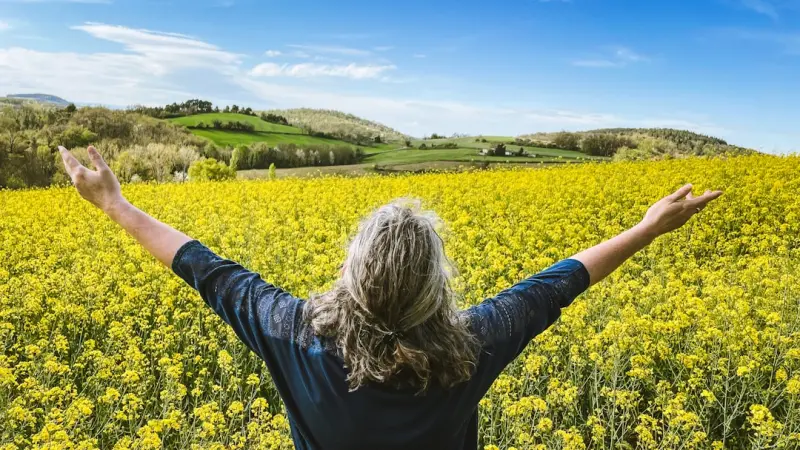
Why Nature Matters for the Aging Body
When we talk about healthy aging, the conversation often stays locked inside gyms, supplement aisles, and diet plans, yet the most powerful rejuvenator sits just beyond our front doors. Natural environments deliver a cascade of physiological cues—lowered cortisol, improved heart‑rate variability, and enhanced immune surveillance—that no pill can fully replicate. Recent studies show that people who spend at least two hours a week in green spaces experience slower epigenetic aging, making nature a silent ally in the quest for longevity.
Forest Bathing: A Breath of Antioxidant‑Rich Air
Originating from the Japanese practice of shinrin‑yoku, forest bathing invites you to immerse yourself in the forest canopy, inhaling phytoncides released by trees that act as natural antibiotics. These volatile organic compounds trigger a surge of natural killer cells, boosting the body’s ability to hunt down rogue cells before they become problematic. Incorporating a weekly walk among mature oaks or pines can therefore translate into measurable reductions in blood pressure and inflammatory markers, key drivers of age‑related disease.
Sunlight, Vitamin D, and the Clockwork of Circadian Rhythm
Morning sunlight is more than a pleasant wake‑up call; it synchronizes the suprachiasmatic nucleus, the master clock that governs sleep, hormone release, and metabolism. Adequate UV‑B exposure stimulates vitamin D synthesis, a micronutrient linked to bone density, muscle function, and even cognitive clarity in later years. By committing to ten to fifteen minutes of unfiltered sun on the forearms each day, older adults can safeguard against osteoporosis and support the neuroprotective pathways that keep the mind sharp.
Grounding: Connecting the Body to Earth’s Electrons
The practice of grounding—walking barefoot on grass, sand, or soil—allows the body to absorb electrons that neutralize free radicals, thereby reducing oxidative stress that accelerates cellular aging. Laboratory trials have demonstrated that grounded participants experience a 30% drop in cortisol after just one hour of direct contact with the earth. For those who prefer indoor comfort, conductive grounding mats offer a convenient bridge to the same electrophysiological benefits.
Weaving Natural Moments Into a Busy Lifestyle
Even the most schedule‑crammed individual can embed nature into daily routines without sacrificing productivity. Simple swaps—taking conference calls on a balcony, opting for a stairwell that opens onto a courtyard, or replacing a coffee break with a five‑minute garden stroll—create micro‑doses of green exposure that accumulate over weeks. Pairing these habits with the hydration strategies described in Micro‑Progressive Hydration maximizes cellular transport of nutrients and waste removal, amplifying the anti‑aging impact.
Community Gardens: Social Bonds and Nutrient‑Dense Harvests
Joining a community garden does more than supply fresh produce; it cultivates intergenerational friendships that buffer against loneliness, a known risk factor for cognitive decline. The shared responsibility of planting, weeding, and harvesting encourages gentle physical activity while delivering a diet rich in polyphenols, fiber, and probiotics—elements highlighted in Fermentation Fundamentals. These social‑nutritional loops reinforce both mental well‑being and gut health, two pillars of successful aging.
Science‑Backed Benefits: From Telomeres to Mood
Peer‑reviewed research now links regular exposure to natural settings with longer telomeres, the protective caps at the ends of chromosomes that shrink with stress and age. Moreover, green spaces stimulate the production of brain‑derived neurotrophic factor (BDNF), a protein essential for neuroplasticity and memory formation. The psychological uplift—often described as “the awe response”—also triggers dopamine release, fostering a sense of purpose that fuels healthier lifestyle choices, echoing the small yet potent adjustments recommended in Why Small Lifestyle Tweaks.
Mindful Observation: Training the Brain Through Natural Detail
Practicing mindful observation—deliberately noticing the texture of bark, the pattern of clouds, or the rhythm of a creek—sharpens attention networks that typically erode after age fifty. This form of natural meditation improves executive function and reduces rumination, two cognitive domains that often decline with age. By dedicating ten minutes each day to a focused “nature scan,” seniors can build a mental gymnasium that complements physical activity.
Getting Started: A Practical Checklist for Everyday Nature Integration
- Schedule a 30‑minute “green hour” in the park at least three times a week.
- Begin each morning with 10–15 minutes of direct sunlight on exposed skin.
- Replace one indoor workout with a barefoot walk on grass or sand.
- Join a local community garden or volunteer for a park clean‑up.
- Incorporate a daily 5‑minute mindful observation session outdoors.
- Pair outdoor activities with adequate hydration using the micro‑progressive techniques you’ve learned.
These actionable steps, rooted in evidence‑based research, empower you to harness the restorative power of nature and turn every season into a catalyst for vibrant, healthy aging.

Craig Brett is a freelancer with a passion for the outdoors. His love for nature inspires his work, bringing authentic and engaging perspectives to projects related to outdoor activities, adventure, and environmental topics.
Related Posts

Learning to Age: Why Lifelong Skill‑Building Is the Secret Weapon for Healthy Longevity
Lifelong learning fuels neuroplasticity, strengthens physical coordination, and deepens social conne... Read More

Thriving Past 60: A Holistic Roadmap to Healthy Aging
A personal guide to aging gracefully, blending nutrition, exercise, mindset, and community for lasti... Read More

Cultivating Curiosity and Micro‑Movement: A New Blueprint for Thriving in Your 70s and Beyond
A fresh take on aging shows that pairing daily curiosity with micro‑movements creates a powerful s... Read More
Top Posts

The Unseen Cost of Clouds: How Vaping Shapes Our Planet and Our Choices
A deep dive into vaping’s ecological footprint reveals the hidden costs of disposable devices, battery waste, and micro‑plastics, while offering practical s...Read More

The Modern Man’s Blueprint: Holistic Health Strategies That Actually Work
Paul Gray shares a realistic, data‑driven holistic health blueprint for men, covering nutrition, movement, detox, and mental resilience to boost performance a...Read More

Rewriting the Narrative of Women’s Health: A Holistic Guide
A fresh, holistic perspective on women’s health that blends hormone harmony, restful sleep, gut nutrition, joyful movement, and community support for lasting ...Read More

Listening to the Quiet War Within: A Data‑Driven Playbook for Autoimmune Balance
A comprehensive guide that blends personal data tracking, gut health, circadian rhythm, and community support to empower individuals in managing autoimmune dise...Read More
0 Comments
Post Comment
You will need to Login or Register to comment on this post!