
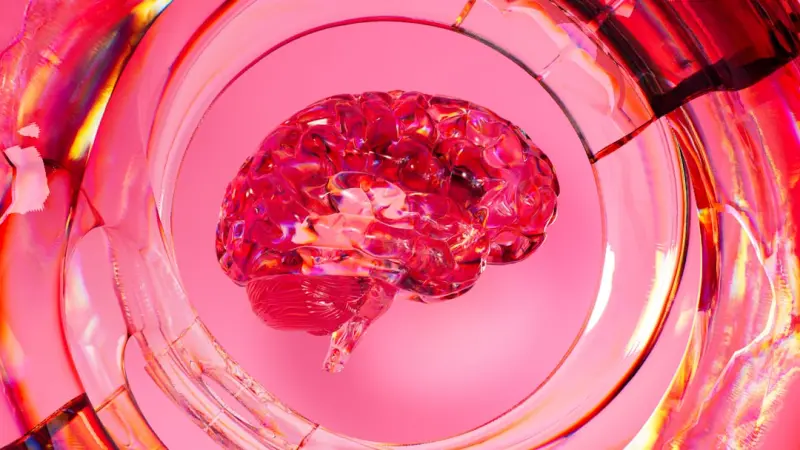
Micro‑Learning: The Unsung Power Tool for a Sharper Brain
When I first stepped into the world of product design, I treated my mind like any other piece of hardware—upgrade it once, and you’re good to go. Years of trial, error, and a few sleepless nights taught me that the brain is far less forgiving. It thrives on rhythm, surprise, and the steady drip of new connections. That revelation sparked a personal experiment that has since become the cornerstone of my daily routine: micro‑learning. Not to be confused with binge‑consuming a massive online course, micro‑learning is the practice of feeding your brain bite‑sized, high‑impact knowledge nuggets on a regular cadence.
Why Size Matters in Cognitive Nutrition
Think of your brain as a garden. Planting a giant oak seed overnight won’t yield shade by morning; it needs consistent watering, pruning, and sunlight. Traditional learning models—long lectures, marathon webinars, and dense whitepapers—often flood the mind with information that quickly evaporates, leaving little to no retention. The cognitive load becomes overwhelming, triggering the brain’s built‑in defense mechanism: the filter. Anything beyond a certain threshold is relegated to the subconscious, never to surface again.
Micro‑learning flips this script. By delivering content in 5‑ to 10‑minute segments, you stay comfortably within the brain’s working memory limits, allowing for deeper encoding. Each micro‑session acts as a “cognitive snack,” satisfying the brain’s hunger without causing indigestion.
Neuroplasticity on Demand
The brain’s ability to rewire itself—neuroplasticity—is not a myth reserved for elite athletes or neuroscientists. It’s a daily, dynamic process that can be nudged with the right stimuli. When you engage in a short, focused learning burst, you trigger the release of dopamine, a neurotransmitter linked to reward and motivation. Dopamine, in turn, primes the hippocampus to solidify new pathways.
Crucially, the spacing effect—a well‑documented phenomenon—shows that information revisited at spaced intervals is retained far better than material crammed in a single session. Micro‑learning naturally incorporates this spacing, giving your brain the chance to revisit concepts just as they begin to fade, reinforcing the synaptic connections before they dissolve.
Designing a Micro‑Learning Ecosystem
Creating a sustainable micro‑learning habit requires more than just a calendar reminder. It demands an ecosystem that aligns with the rhythms of your workday and personal life. Here are the core pillars I’ve built around my practice:
- Intentional Triggers: Pair learning moments with existing habits—like a five‑minute read while waiting for coffee to brew, or a short video during the commute (audio‑only if you’re driving).
- Curated Content Pools: Use reputable sources—industry newsletters, peer‑reviewed articles, or concise podcasts. Avoid the temptation to skim click‑bait; quality beats quantity every time.
- Active Recall: After each micro‑session, spend a minute jotting down the key takeaway or teaching it to an imaginary colleague. This forces the brain to retrieve the information, strengthening memory traces.
- Physical Anchors: Pair mental work with subtle physical cues—standing up, stretching, or taking a short walk. Movement stimulates blood flow, delivering oxygen and nutrients that support neural health.
- Feedback Loops: Track progress with a simple spreadsheet or a habit‑tracking app. Celebrate small wins; they reinforce the dopamine loop and keep motivation high.
The Role of Sensory Breaks
Micro‑learning isn’t just about the intake of knowledge; it’s also about creating space for the brain to process and reset. Sensory breaks—brief periods where you step away from screens and engage a different sense—are vital. A quick walk outside, listening to ambient nature sounds, or even a five‑minute meditation session can dramatically improve focus for the next learning burst.
Recent research highlights that exposure to natural environments, even in miniature (a potted plant or a window view), reduces mental fatigue and restores attention. If you’re curious about how nature can serve as a catalyst for brain health, the piece on natural healing for seniors offers compelling anecdotes and data that translate well to any age group.
Micro‑Learning Meets Physical Wellness
It’s tempting to treat brain health as an isolated endeavor, but the mind and body are inseparable. Nutrition, sleep, and organ function directly influence cognitive performance. For instance, optimizing liver function—your body’s natural detox hub—has a ripple effect on neurochemical balance. The article on optimizing liver health explains how a well‑functioning liver can enhance mental clarity, reduce brain fog, and sustain the energy needed for consistent micro‑learning.
From Theory to Practice: My 30‑Day Micro‑Learning Sprint
To prove the concept, I launched a 30‑day sprint where I committed to one micro‑learning session each day, followed by a 2‑minute recall exercise. Here’s a snapshot of the structure:
- Morning Cue (5 min): Review a short article on emerging tech trends while sipping coffee.
- Mid‑day Physical Reset (3 min): Stand, stretch, and glance at a nature video without sound.
- Afternoon Deep Dive (7 min): Listen to a podcast segment on cognitive psychology.
- Evening Recall (2 min): Write down the three most actionable insights from the day.
At the end of the month, I observed a noticeable lift in my ability to retain complex concepts, a reduction in decision fatigue, and a subtle but measurable improvement in creative problem‑solving. The most striking side effect? A calmer mind that no longer spiraled into overanalysis during high‑pressure meetings.
Scaling Micro‑Learning Across Teams
If you’re a leader, consider integrating micro‑learning into your team’s workflow. Here’s a quick playbook:
- Weekly “Micro‑Learning Hours”: Designate a 30‑minute block where each team member shares a concise insight they discovered during the week.
- Micro‑Learning Library: Curate a shared repository of short videos, articles, and infographics. Keep it searchable and regularly updated.
- Recognition System: Highlight contributors in newsletters or during stand‑ups. Recognition fuels the dopamine cycle and encourages continuous participation.
The goal isn’t to overload your team with mandatory training but to embed a culture of continuous, bite‑sized curiosity that fuels collective brain health and performance.
Addressing Common Misconceptions
“Micro‑learning is too shallow.” On the contrary, depth emerges from repeated, spaced exposure. Each short session builds a layer; over weeks, these layers form robust knowledge structures.
“I don’t have time.” The beauty of micro‑learning is that it fits into existing idle moments—waiting for a meeting to start, a coffee break, or even a short commute (audio format). It’s about leveraging time you already have, not carving out additional slots.
“It’s only for soft skills.” Technical topics, complex regulations, or even language learning can be broken down into digestible fragments. The key is to distill the core principle, not to cram every detail.
Future‑Proofing Your Brain
In a world that constantly demands rapid adaptation, the brain’s most valuable asset is its flexibility. Micro‑learning doesn’t just fill knowledge gaps; it actively trains the brain to become a more agile learner. This agility translates into faster decision‑making, enhanced creativity, and a resilient mental state that can weather the inevitable stresses of professional life.
Remember, brain health isn’t a one‑off project; it’s a lifelong maintenance plan. By treating learning as a series of small, intentional habits, you empower your neural pathways to stay vibrant, responsive, and ready for the next challenge.

Related Posts
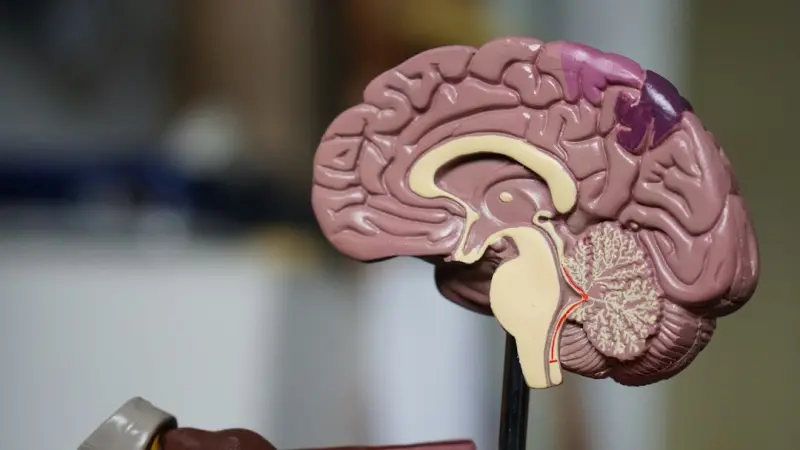
Designing Spaces that Boost Brain Power
A strategic workspace shapes cognition: learn to harness sound, lighting, color, aroma, posture, and... Read More

Why Your Smile Is the Secret Weapon for a Sharper Mind
A fresh look at brain health reveals that maintaining good oral hygiene and healthy gums can reduce ... Read More
Rewiring the Modern Mind: How Digital Minimalism Fuels Brain Longevity
Adopt digital minimalism to cut cognitive overload, enhance neuroplasticity, and improve memory. Lea... Read More
Top Posts

Eco‑Smart Pregnancy: Sustainable Choices That Empower You
A sustainable pregnancy blends personal health with planetary stewardship. Discover how to choose eco‑friendly clothing, nourish with low‑impact foods, and ...Read More

When Light Meets Cells: A Fresh Look at Cancer
This article reveals how ambient light and our internal clocks influence cancer development, offering practical habits, nutrition tips, and emerging therapies t...Read More
Prediabetes Unlocked: A Holistic Journey From Warning Sign to Wellness
A personal, holistic guide reveals how to turn prediabetes warnings into lasting wellness with diet, exercise, sleep, stress management, and gut health tips....Read More

Intergenerational Connections: How Grandparenting and Mentoring Boost Senior Health
Intergenerational connections—through grandparenting, mentorship, and shared activities—offer a powerful, science‑backed boost to senior health, enhancing...Read More
0 Comments
Post Comment
You will need to Login or Register to comment on this post!