

When Shadows Stir: Unpacking Sleep Terrors From a Whole‑Person Lens
There’s a peculiar stillness that settles over a house the moment a child—or even an adult—screams from the depths of a night‑time terror. The heart races, the lights flick on, and the mind immediately starts cataloguing every possible nightmare scenario. I’ve lived through those moments, not just as an observer, but as a parent, a researcher, and a chronic stress‑fighter. Over the years I’ve learned that sleep terrors are far more than an occasional “bad dream.” They are a physiological alarm, a neuro‑chemical cascade, and, surprisingly, a mirror reflecting the stress we carry into the bedroom.
In this deep‑dive I’ll walk you through three layers that most mainstream articles gloss over: the biology that triggers the terror, the hidden cultural scripts that shape our reaction, and practical, evidence‑backed tools you can start using tonight. My aim isn’t to scare you—rather, to empower you with the kind of granular insight that turns a nightly crisis into a manageable, even predictable, event.
The Neuro‑Biology Behind the Screams
First, let’s demystify what’s happening inside the brain when a sleep terror erupts. Unlike nightmares, which occur during REM (rapid eye movement) sleep and are usually remembered, sleep terrors strike during the first third of the night—specifically, during non‑REM Stage 3, the deepest, slow‑wave sleep. During this stage, the brain’s thalamus and amygdala go into overdrive.
- Thalamic “Gatekeeper” Failure: The thalamus normally filters sensory input, ensuring that the sleeping brain stays insulated from external noise. In a terror episode, that gate briefly malfunctions, flooding the cortex with a surge of raw, unprocessed stimuli.
- Amygdala Alarm: The amygdala, our built‑in threat detector, interprets these signals as imminent danger. It then releases a cocktail of stress hormones—adrenaline, norepinephrine, and cortisol—that prepare the body for fight or flight.
- Motor Disinhibition: Because we’re still in deep sleep, the prefrontal cortex (the rational decision‑maker) can’t exert its usual control. The result? A body that springs to action—crying, thrashing, or screaming—while the mind remains largely unaware of the context.
This triad explains why a person experiencing a terror may appear fully awake, eyes open, yet have no recollection of the episode once the brain returns to lighter sleep stages. It also clarifies why the terror feels “real” in the moment; the body’s stress response is genuine, even if the brain’s narrative is missing.
Beyond Biology: The Cultural Scripts That Shape Our Response
Every culture has its own mythology surrounding night‑time disturbances. In some societies, sleep terrors are viewed as spiritual visits, while in others they’re dismissed as “just a phase.” These narratives matter because they influence how caregivers respond:
- Stigmatization vs. Normalization: When a terror is framed as a sign of weakness, families may react with anger or shame, inadvertently reinforcing the child’s stress response.
- Rituals and Protective Practices: Many traditions employ calming rituals—soft chants, protective talismans, or specific bedtime routines—to signal safety. Even if the practice isn’t scientifically proven, the ritual itself can lower cortisol levels through the power of predictable routine.
- Media Amplification: Modern horror media often sensationalizes night‑time fears, seeding anxiety before bedtime. A child who watches a scary cartoon just before sleep is more likely to experience a heightened amygdala response.
Understanding these cultural underpinnings helps us reframe the event. Instead of labeling a terror as “bad,” we can view it as a physiological alarm telling us something is out of balance—whether that’s a disrupted circadian rhythm, an overstimulated nervous system, or a lingering emotional stressor.
Connecting Sleep Terror Management to Everyday Wellness
When we look at sleep terrors through the lens of whole‑person health, a pattern emerges: they rarely occur in isolation. They often coexist with other stress‑related conditions—elevated blood pressure, gut dysbiosis, or chronic anxiety. This is why I love the idea of a holistic daily design that addresses the root causes before they manifest in the night.
Below, I’ll outline a three‑step protocol that integrates neuro‑biology, environmental design, and lifestyle tweaks. Each step is supported by research and can be personalized without expensive tech.
Step 1: Stabilize the Night‑Time Hormonal Landscape
Recall that cortisol peaks in the early morning and dips at night. When this rhythm is disrupted—by late‑night caffeine, screen exposure, or irregular sleep schedules—the amygdala becomes hypersensitive. Here’s what you can do:
- Limit Light‑Blue Exposure After Sunset: Blue light suppresses melatonin, the hormone that signals sleep readiness. Using dim, amber lighting in the hour before bed can preserve melatonin production.
- Introduce a “Wind‑Down” Buffer: A 30‑minute period of low‑stimulus activities—reading a physical book, gentle stretching, or listening to nature sounds—helps shift the brain from beta (alert) to alpha (relaxed) waves.
- Mind the Caffeine Clock: Even a small amount of caffeine after noon can linger in the system, raising cortisol levels. Opt for herbal teas like chamomile or rooibos after lunch.
If you’re already battling insomnia, you might have read about the pitfalls of the “just sleep more” mindset. That approach often overlooks the quality‑vs‑quantity paradox. For a deeper dive on why that strategy falls short, check out the nuanced critique which outlines how sleep architecture matters more than clock‑time alone.
Step 2: Create a Sensory Safe‑Space
The thalamic gate is highly responsive to sensory input. By curating the bedroom environment, you can reduce the likelihood of “gate crashes.” Consider these sensory adjustments:
- Temperature Consistency: A cool room (around 18‑19°C) supports deep slow‑wave sleep. Fluctuations can trigger arousal spikes.
- White Noise or Low‑Frequency Sound: Consistent background noise masks sudden spikes that might otherwise jolt the thalamus.
- Weighted Blankets: The gentle, even pressure provides proprioceptive feedback, which can calm the nervous system and reduce the intensity of an emerging terror.
These tweaks echo the principles of sensory reset strategies that are gaining traction in performance‑focused circles. By applying them to the bedroom, you transform the space from a potential threat arena into a sanctuary.
Step 3: Integrate Day‑time Stress Management Practices
Since the amygdala’s reactivity is shaped by daytime experiences, regular stress‑reduction practices can blunt the nighttime alarm. Here are three low‑effort habits:
- Micro‑Movement Breaks: Short, intentional movements—like a 30‑second stretch or a quick walk—help reset the autonomic nervous system. Over time, they reduce baseline cortisol, making the night less volatile.
- Breath‑Focused Meditation: A simple 4‑7‑8 breathing pattern (inhale 4 seconds, hold 7, exhale 8) stimulates the parasympathetic branch, lowering heart rate and preparing the brain for deep sleep.
- Journaling “Brain Dumps”: Write down lingering worries before the wind‑down buffer. Externalizing thoughts reduces their ability to intrude on the subconscious during slow‑wave sleep.
When these practices become routine, you’ll notice a subtle shift: the frequency of terrors diminishes, and the episodes that do occur become less intense.
When a Terror Happens: The Immediate Response Playbook
Even with the best preventative measures, a terror may still break through. Here’s a calm, step‑by‑step guide for parents or partners who wake to a screaming child or an adult partner:
- Stay Calm and Observe: Your own emotional state is contagious. Speak softly, maintain a gentle tone, and avoid sudden physical contact that could be misinterpreted as a threat.
- Gentle Physical Re‑orientation: Lightly guide the person’s head toward the pillow, ensuring the airway is clear. If they’re upright, a soft, reassuring hand on the shoulder can signal safety.
- Do Not Attempt to Wake Them: Waking a person in deep sleep can cause confusion and prolong the episode. Instead, keep a watchful presence until the terror subsides.
- After the Episode: When the individual settles into lighter sleep or awakens, provide reassurance. Briefly describe what happened (e.g., “You had a strong dream, but you’re safe now”) and offer a comforting ritual—perhaps a favorite blanket or a soothing scent.
Documenting these incidents—time, duration, preceding activities—helps build a data set you can discuss with a pediatrician or sleep specialist. Patterns often reveal hidden triggers, from late‑afternoon sugar spikes to exposure to high‑intensity video games.
When to Seek Professional Help
Most sleep terrors are benign and outgrow themselves by adolescence. However, if you notice any of the following red flags, it’s time to consult a sleep medicine professional:
- Terrors occurring more than three times a week.
- Accompanied by daytime anxiety, hyper‑vigilance, or mood swings.
- Significant disruption to the sleep of other household members.
- Physical injury due to thrashing.
Specialists may recommend polysomnography (sleep study) to rule out underlying sleep‑related breathing disorders or seizures. In some cases, cognitive‑behavioral therapy for insomnia (CBT‑I) or targeted anxiety interventions can dramatically reduce the frequency of episodes.
Looking Ahead: A Vision for Sleep‑Terror‑Resilient Communities
Imagine a future where schools incorporate “sleep‑health literacy” into health curricula, teaching kids the science of slow‑wave sleep and how stress hormones operate. Picture workplaces offering “quiet rooms” for pre‑shift wind‑down, recognizing that the same neural circuits that protect us from night‑time threats also influence daytime performance. Envision a health ecosystem where pediatricians routinely screen for sleep terror frequency during well‑child visits, linking findings to nutrition, physical activity, and mental‑health resources.
These ideas may sound ambitious, but they’re rooted in the same evidence that has reshaped how we view insomnia, blood pressure, and metabolic health. By treating sleep terrors as a signal—not a symptom—we can integrate them into a broader narrative of whole‑person resilience.
Takeaway Checklist
- Assess bedroom sensory environment: temperature, sound, pressure.
- Establish a consistent wind‑down routine that limits blue light and caffeine.
- Incorporate micro‑movement breaks and breathing exercises throughout the day.
- Document terror episodes to identify patterns.
- Seek professional evaluation if episodes are frequent or severely disruptive.
Sleep terrors are a reminder that our bodies are constantly scanning for safety, even when we’re unconscious. By honoring that innate alarm system with informed, compassionate strategies, we turn nightly scares into stepping stones toward a more balanced, resilient life.

Related Posts

When Sleep Terrors Hijack Your Day: Unpacking the After‑Hours Ripple Effect
Sleep terrors don’t end when you open your eyes. This post explores their lingering impact on mood... Read More

When Nighttime Becomes a Battlefield: Decoding Sleep Terrors Through the Body’s Alarm System
Sleep terrors are the nervous system’s false alarms that hijack deep sleep. This article reveals h... Read More

The Silent Screams: Understanding and Healing Sleep Terrors
Discover the science behind sleep terrors and learn holistic tools—from breathwork to nutrition—... Read More
Top Posts

Chrononutrition: Mastering Meal Timing to Supercharge Executive Focus
Learn how strategic meal timing—chrononutrition—can enhance focus, sustain energy, and improve sleep for busy executives, with practical tips, a sample sche...Read More

When the Remote Desk Meets the Plate: Navigating Eating Disorders in a Digital Work World
Remote work blurs the line between meals and meetings, often intensifying disordered eating patterns. This article reveals why digital workspaces trigger unheal...Read More
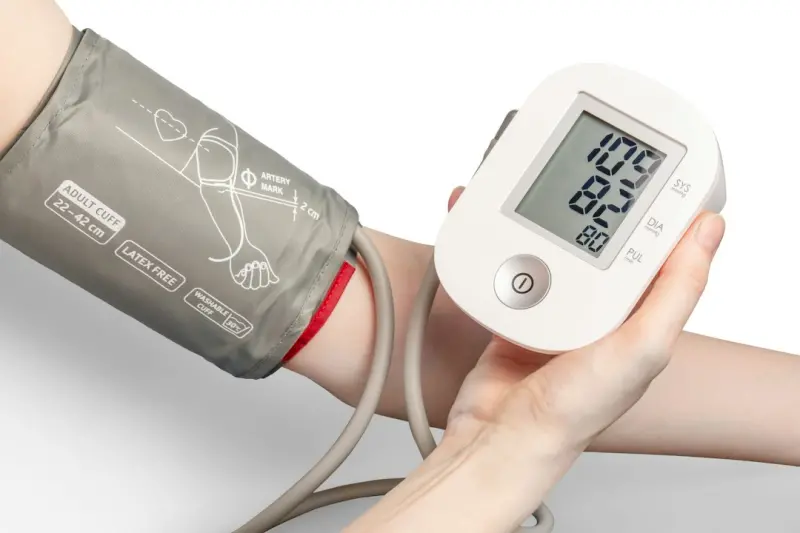
Breathing, Balance, and Everyday Blood Pressure Mastery
A hands‑on guide that blends mindful breathing, ergonomic posture, and everyday habits to help you naturally manage blood pressure, all from Tom Ferguson’s ...Read More

Holistic Strategies Every Man Needs for Peak Health
Explore a comprehensive, holistic approach to men’s health that blends sleep, nutrition, movement, stress management, and community support for sustainable st...Read More
0 Comments
Post Comment
You will need to Login or Register to comment on this post!