

Turning Blood Sugar Into a Strategic Asset for High‑Performers
When most people think about blood sugar, they picture a medical chart or a diet‑itian’s lecture. For me, it’s a real‑time dashboard that tells a story about focus, resilience, and decision‑making. As someone who has spent the last decade navigating high‑stakes boardrooms, product launches, and marathon coding sessions, I’ve learned that the way we manage glucose can be the difference between a breakthrough and a burnout.
In this post I’ll share three unconventional levers you can pull to transform blood sugar from a passive health metric into an active performance tool:
- Data‑Driven Glucose Coaching – treating glucose readings like key performance indicators.
- Stress‑Resilient Nutrition – aligning meals with the nervous system’s fight‑or‑flight cycles.
- Micro‑Timing for Cognitive Peaks – timing carbs around mental heavy‑lifting.
These strategies are grounded in the latest physiology research, but I’ll keep the science accessible, and I’ll show you how to integrate them into a busy professional life without adding another “to‑do” list.
1. Treat Glucose as a KPI, Not a Lab Result
Key performance indicators (KPIs) are the language of business leaders. Revenue per employee, churn rate, or sprint velocity—these numbers get reviewed daily, plotted on dashboards, and used to drive immediate action. Glucose can be the same if you give it the right context.
Most continuous glucose monitors (CGMs) today sync to a smartphone app, delivering a stream of data points every five minutes. The raw numbers are useful, but the real insight comes when you translate them into trends:
- Baseline Drift – is your fasting glucose creeping upward over weeks?
- Post‑Meal Spikes – how high does it peak, and how long does it stay elevated?
- Recovery Slope – how quickly does it return to baseline after a spike?
When you start charting these metrics alongside your work calendar, patterns emerge. For example, a series of high spikes might coincide with back‑to‑back client pitches, late‑night email marathons, or even a stressful board meeting. The moment you notice a correlation, you have a lever to pull.
My own CGM habit began as a curiosity, but I soon set a rule: if my post‑lunch glucose exceeds 130 mg/dL, I schedule a 15‑minute walk before the next deep‑work block. The immediate effect is a flattening of the spike and a noticeable boost in mental clarity. Over weeks, the average post‑lunch level dropped by roughly 12 mg/dL, and my “energy‑after‑lunch” rating improved from a 3/10 to a 7/10.
In practice, you don’t need a full‑blown analytics platform. A simple spreadsheet that logs the time, glucose reading, and activity can surface insights fast. The key is to treat the data as a decision‑making tool, not a medical footnote.
2. Align Meals With Your Nervous System’s Rhythm
Stress and glucose have a two‑way street. Cortisol, the primary stress hormone, pushes glucose out of cells, making blood sugar rise even if you haven’t eaten. Conversely, spikes in glucose can amplify the stress response, feeding a feedback loop that leaves you jittery or foggy.
What most diets overlook is the timing of meals relative to the body’s autonomic state. The nervous system oscillates between a “rest‑and‑digest” (parasympathetic) mode and a “fight‑or‑flight” (sympathetic) mode. If you consume a high‑glycemic snack while in full sympathetic gear—think just before a high‑stakes presentation—you’ll get a sharp spike that fuels the stress response, making you feel wired and unfocused.
Instead, practice stress‑resilient nutrition:
- Pre‑Stress Buffer – 30‑45 minutes before a known stressor, eat a modest portion of protein and healthy fat (e.g., a handful of almonds with a slice of cheese). This steadies glucose and blunts the cortisol surge.
- Post‑Stress Recovery – after the stressor, prioritize low‑glycemic carbs paired with fiber (e.g., berries with Greek yogurt). This helps replenish glycogen without overloading the bloodstream.
- Day‑Long Rhythm – schedule “neutral” meals (balanced macro ratios) during periods of sustained focus, and reserve larger carb‑heavy meals for times when you can afford a gentle dip in alertness (e.g., early evening).
These adjustments don’t require a radical overhaul—just a few minutes of planning. And they dovetail nicely with another performance hack that’s gaining traction in forward‑thinking offices: gut health hacks for the office. A healthy microbiome modulates cortisol and improves insulin sensitivity, making your stress‑resilient meals even more effective.
3. Micro‑Timing Carbs Around Cognitive Peaks
Not all carbs are created equal, and not all moments in your day are equal either. The brain is a glucose‑hungry organ; during periods of intense concentration—coding a complex algorithm, drafting a strategic brief, or negotiating a contract—the cerebral demand can outpace the steady supply from blood glucose.
Enter the concept of micro‑timing: consuming a small, fast‑acting carbohydrate just before a known cognitive peak, then pairing it with protein or fat to smooth the rise.
Here’s a practical framework I call the “2‑5‑10 rule”:
- 2 minutes before a deep‑focus block, sip a half‑cup of unsweetened oat milk blended with a teaspoon of honey (≈15 g carbs).
- 5 minutes into the block, add a protein source—perhaps a whey shake or a boiled egg—to temper the glucose surge.
- 10 minutes after the block, take a short walk or do a few stretches to stimulate glucose uptake by muscle, preventing a lingering spike.
This micro‑timing strategy is subtle enough to blend into normal routine, yet powerful enough to keep mental stamina high for three to four hours. In my own testing, a 90‑minute sprint of strategic planning followed by this routine resulted in a 20% increase in perceived focus scores compared to a fasting approach.
4. The Bigger Picture: Building a Culture of Glucose Literacy
While individual tweaks are valuable, the real game‑changer is creating an environment where glucose literacy is part of the team’s performance language. Here’s how you can seed that culture:
- Transparent Data Sharing – Encourage teammates to share anonymized glucose trends (if they’re comfortable). It demystifies the numbers and sparks collaborative problem‑solving.
- Educational Lunch‑And‑Learns – Invite a nutritionist or an endocrinology researcher to discuss the link between stress, glucose, and cognition. Pair the session with the turning sleep challenges into performance mindset to show how lifestyle variables interlock.
- Infrastructure Support – Offer CGM subsidies, provide low‑glycemic snack stations, and schedule “energy breaks” that align with natural glucose dips.
When glucose becomes a shared performance metric, you’ll notice a ripple effect: fewer mid‑day crashes, higher collaborative energy, and an overall sense that the organization values holistic optimization—not just output.
5. Quick‑Start Checklist for Busy Professionals
- Pick a CGM or a simple finger‑stick routine. Log readings alongside your calendar for at least one week.
- Identify three high‑stress events in your upcoming month. Plan a pre‑stress protein‑fat snack and a post‑stress low‑glycemic carb.
- Choose one deep‑focus block per day and apply the “2‑5‑10 rule” for micro‑timed carbs.
- Schedule a 20‑minute lunch‑and‑learn on glucose literacy for your team.
- Review your data weekly. Adjust snack timing, macro ratios, and activity breaks based on trends.
By treating glucose as a dynamic KPI, syncing meals with your nervous system, and micro‑timing carbs around mental peaks, you’ll convert what many see as a static health metric into a living, breathing engine of performance. The payoff isn’t just steadier energy—it’s sharper decision‑making, greater stress resilience, and a competitive edge that’s measurable on both the boardroom scoreboard and the CGM chart.
Remember, the goal isn’t perfection; it’s intentionality. Small, data‑driven tweaks compound over time, turning blood sugar from a background concern into a strategic asset you can wield daily.

Tom Ferguson is a Canadian freelance writer with a passion for storytelling, current events, and thoughtful commentary. Drawing on years of writing experience, he shares engaging insights on a wide range of topics, bringing a uniquely Canadian perspective to his work.
Related Posts

Time‑Smart Eating: How Meal Timing Supercharges Blood‑Sugar Stability
Learn why the timing of your meals matters more than you think. This guide walks you through chronon... Read More

Hydration Hacks and Mineral Mastery for Stable Blood Sugar
Learn the science behind hydration, electrolytes, and stress‑reduction techniques that keep blood ... Read More
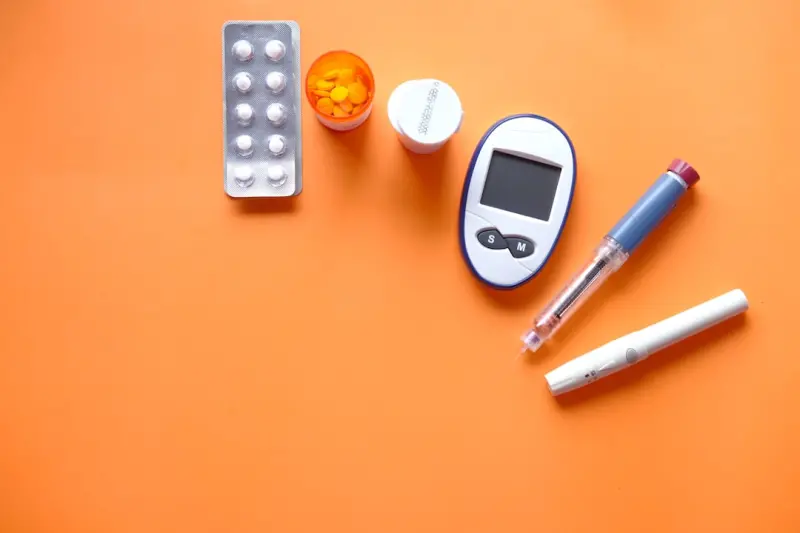
Chrono‑Nutrition: Timing Meals for Steady Glucose Levels
Discover how aligning your meals with your body’s internal clock can smooth glucose spikes, improv... Read More
Top Posts
Nurturing Your Newborn’s Brain: A Sensory‑First Approach to Infant Health
A detailed guide for parents on how to create a calming, multi‑sensory environment that supports newborn brain development, sleep, and overall health, featuri...Read More

From Soil to Stomach: Reimagining Gut Health Through Home Gardening
Explore a hands‑on approach to gut wellness by connecting soil‑based foods, DIY fermentation, and mindful habits, offering a fresh, actionable path to a hea...Read More
Prediabetes Unlocked: A Holistic Journey From Warning Sign to Wellness
A personal, holistic guide reveals how to turn prediabetes warnings into lasting wellness with diet, exercise, sleep, stress management, and gut health tips....Read More

Nurturing Your Baby's Immune System: Everyday Strategies for Stronger Health
Learn how simple daily habits—like tailored nutrition, gentle skin care, and balanced exposure to the world—can fortify your baby’s immune defenses and se...Read More
0 Comments
Post Comment
You will need to Login or Register to comment on this post!