
From Soil to Stomach: Reimagining Gut Health Through Home Gardening
When I first traded my desk chair for a modest balcony plot, I wasn’t chasing a fresh salad or a Instagram‑worthy herb garden—I was hunting for a tangible connection to the invisible universe that lives inside me. The gut, that sprawling ecosystem of microbes, often feels like a black box. We hear about probiotics in capsules, fermented jars on supermarket shelves, and the occasional “gut‑brain” headline, but the daily rituals that nurture those microscopic allies rarely make it into our routine. I’ve learned that the most profound gut‑boosting practices can sprout right where you water your basil.
The Gut’s Role Beyond Digestion
It’s tempting to think of the gut as merely a processing plant for the food we consume. In reality, it’s a multifunctional organ that orchestrates immune defenses, hormone balance, and even skin health. The lining of the intestines is a barrier that decides which molecules get a passport into the bloodstream. When that barrier is compromised, we see everything from chronic inflammation to unexplained fatigue. While many articles focus on the gut‑brain axis, I’m more intrigued by the gut‑immune conversation—a dialogue that can be tuned by the very soil we turn over each week.
Listening to the Subtle Signals
Before you reach for a probiotic supplement, pause and observe the whispers your gut sends. Bloating after a specific meal, occasional “butterfly” sensations when you’re stressed, or even subtle shifts in skin texture can be clues. These sensations are not just annoyances; they’re data points that tell you where the microbial balance is tipping. I keep a simple log—date, meal, mood, physical feeling—and over time, patterns emerge. This mindfulness is the first step toward a purposeful gut‑care strategy.
The Soil‑Based Food Connection
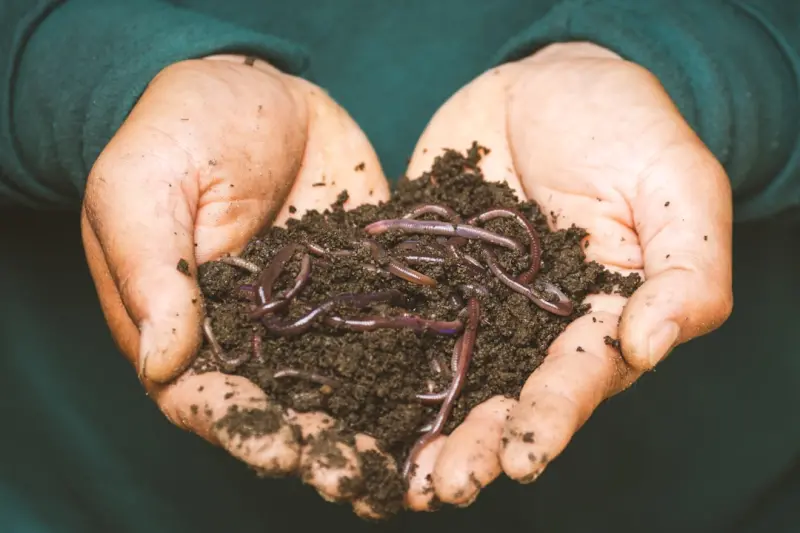
Most of us are familiar with the term “prebiotic,” usually defined as a fiber that feeds beneficial bacteria. What’s less discussed is that soil‑based organisms (SBOs)—the microbes that thrive in healthy earth—can also act as powerful pre‑ and probiotics when introduced through fresh, unprocessed produce. When you grow your own lettuce, carrots, or radishes in nutrient‑rich, organic soil, you’re inviting a diverse community of microbes onto your plate. These organisms can survive the journey through the stomach and help seed a resilient gut environment.
DIY Soil‑Based Probiotic Kit: A Hands‑On Experiment
Here’s a weekend project that blends gardening, culinary curiosity, and gut science. All you need is a small ceramic pot, organic potting mix, a handful of raw, unpasteurized sauerkraut starter (you can source this from a local farmer’s market), and a few leafy greens.
- Step 1: Fill the pot with the organic mix, ensuring it’s loosely packed to maintain air pockets.
- Step 2: Sprinkle a thin layer of the sauerkraut starter across the surface. The live cultures will begin to mingle with the soil microbes.
- Step 3: Plant your greens, water gently, and cover the pot with a breathable cloth to create a mini‑greenhouse.
- Step 4: After two weeks, harvest a small batch of leaves, wash them lightly, and incorporate them into a fresh salad. The subtle tang you taste isn’t just from the greens—it’s the living, breathing microbial cocktail you cultivated.
This experiment isn’t about creating a sterile, pharmaceutical‑grade probiotic; it’s about re‑establishing a natural, ecological relationship between the soil you nurture and the gut you host.
Fermentation Meets the Garden
Fermented foods are the bridge between the garden and the gut. While my DIY kit gives you a direct line, traditional fermentation—think kimchi, kombucha, or lacto‑fermented carrots—adds another layer of diversity. I recently started a micro‑adventure of foraging wild garlic and fermenting it in a mason jar. The process forces me to slow down, observe temperature changes, and adjust salt ratios, turning a simple act into a sensory lesson on microbial stewardship.
The Hidden Power of Health Insurance for Preventive Gut Care
Many readers assume gut health is a “nice‑to‑have” wellness goal, but the financial tools at our disposal can make it a preventive medicine priority. A routine stool analysis, covered under many preventive‑care plans, can reveal dysbiosis, inflammation markers, and even hidden parasites. The insights from such tests enable you to tailor your garden‑to‑plate strategy with precision. Learn more about leveraging your coverage in our guide on preventive wellness.
Movement as a Gut‑Friendly Habit
Physical activity, especially low‑intensity walking after meals, stimulates peristalsis—the rhythmic contraction that moves food through the intestines. I’ve incorporated a “post‑lunch stroll” into my daily schedule, turning a casual walk into a gut‑care ritual. This habit complements the garden‑derived foods, ensuring they spend just the right amount of time in the digestive tract to be fully fermented by the resident microbes.
Stress, Screens, and the Gut
Our modern lifestyle bombards us with digital noise. Chronic exposure to screens raises cortisol, which in turn can increase gut permeability. I adopted a nightly “screen‑free zone” for the first hour after dinner, swapping scrolling for a brief meditation or a journal entry. The reduction in stress hormones creates a calmer environment for the microbes to flourish, and I’ve noticed fewer episodes of post‑dinner heartburn.
Integrating Gut Health into the Workplace
Remote work offers a unique advantage: you control the environment. I’ve turned my home office into a mini‑green space with a herb wall, and I schedule a 10‑minute “gut break” after each virtual meeting to sip a warm kombucha and stretch. These small interventions collectively reinforce the gut‑friendly habits I practice at home.
A 30‑Day Gut Reboot Plan
Ready to put theory into practice? Here’s a concise roadmap:
- Week 1 – Observation: Begin a gut‑symptom journal. Track meals, mood, and any physical sensations.
- Week 2 – Soil Introduction: Start the DIY soil‑based probiotic kit. Add a daily serving of home‑grown greens.
- Week 3 – Fermentation Focus: Prepare one batch of fermented vegetables. Incorporate it into two meals per week.
- Week 4 – Lifestyle Integration: Implement post‑meal walks, screen‑free evenings, and a brief mindfulness practice before bed.
At the end of the month, revisit your journal. You’ll likely see a reduction in bloating, steadier energy levels, and perhaps a brighter complexion. For a deeper dive into the science behind these changes, check out our gut microbiome mastery piece, which explains how microbial diversity underpins many of the benefits you’ll experience.
Final Thoughts: Cultivating a Symbiotic Lifestyle
Gut health isn’t a one‑off supplement you pop and forget. It’s a dynamic partnership that thrives on variety, consistency, and respect for the natural cycles that have sustained humanity for millennia. By bringing soil into the kitchen, fermenting with intention, and aligning movement and stress management, we create an ecosystem where both plants and microbes can flourish. In my experience, the most rewarding part isn’t just the improved digestion—it’s the sense of agency that comes from knowing you’re co‑authoring the story of your own internal universe.

William Roy is a freelance writer originally from Montreal who moved to Ottawa with his wife of 50 years to be closer to their grandkids. Alongside his writing, William has a passion for fishing.
Related Posts
Reimagining Your Gut as a Creative Playground
Discover how treating your gut as a creative playground—through novel foods, mindful habits, and p... Read More

Gut Health Revolution: How I Turned My Digestive Struggles into a Wellness Blueprint
Brandy Miller shares her transformative gut‑health journey, revealing how diet, stress management,... Read More

How My Fermentation Rituals Rewired My Gut‑Brain Connection
A personal journey into fermentation, seasonal prebiotics, and sleep reveals simple steps to strengt... Read More
Top Posts

Pregnancy Brain: Turning the Hormonal Fog into a Superpower
Explore the hidden cognitive upgrade of pregnancy and learn practical hydration, journaling, and community strategies to transform hormonal fog into a powerful,...Read More

The Gig‑Economy Guide to Mastering Your Health Insurance
Navigating health insurance as a freelancer can feel overwhelming, but with a clear roadmap—covering marketplace plans, HSAs, mental‑health coverage, and pr...Read More

The Autoimmune Connection: A Holistic Approach to Wellbeing
Learn how to manage autoimmune disease with a holistic approach, prioritizing mental health, preventive care, and self-care for a better quality of life....Read More
Turning Prediabetes Into a Competitive Edge: Small Wins for Big Metabolic Gains
Prediabetes can be a strategic health dashboard rather than a threat. Discover five actionable tactics—micro‑movement bursts, habit stacking, community stor...Read More
0 Comments
Post Comment
You will need to Login or Register to comment on this post!