

Why Water Isn’t Just Water When It Comes to Glucose Control
Most of us think of blood‑sugar management as a diet‑only problem, yet the fluid that fills our cells plays an equally decisive role in how glucose is processed, stored, and released. When dehydration sets in, the body releases stress hormones such as cortisol and adrenaline to preserve blood volume, and those very hormones trigger the liver to push stored glycogen back into the bloodstream, creating spikes that feel like a hidden sugar surge. In fact, research shows that even mild dehydration can impair insulin sensitivity by up to 30 percent, meaning that the same meal that once sat comfortably in the post‑prandial range can now rocket past the upper limits simply because you’ve skipped your water bottle.
The Science of Thirst: How Proper Hydration Keeps Glucose in Check
Water is the medium through which insulin travels, and without adequate volume, the hormone’s messenger efficiency drops, forcing the pancreas to work overtime. Each liter of water you consume dilutes blood plasma, lowering the concentration of glucose and giving kidneys the chance to filter excess sugar more effectively, a process known as glucosuria when it’s excessive but beneficial in modest amounts. Moreover, proper hydration supports the lymphatic system, which clears metabolic waste and reduces inflammation—two hidden culprits that sabotage blood‑sugar stability. By targeting a daily intake of at least 2.5 L for most adults, you lay a foundation that lets dietary choices shine without the constant threat of hidden spikes.
Electrolytes: The Unsung Heroes That Balance Sugar Swings
Beyond plain H₂O, the minerals dissolved in it—sodium, potassium, magnesium, and calcium—act as conductors for cellular signaling pathways that directly influence insulin release and glucose uptake. Sodium, often vilified, actually helps maintain blood‑volume pressure, preventing the stress response that drives hepatic glucose output. Potassium, on the other hand, works hand‑in‑hand with insulin to shuttle glucose into muscle cells, a partnership that becomes especially critical after exercise. Magnesium deficiency is linked to a 40 percent higher risk of type‑2 diabetes, as it participates in over 300 enzymatic reactions, many of which regulate blood‑sugar metabolism. Adding a pinch of sea salt to your water or sipping a low‑sugar electrolyte drink can therefore be a simple, cost‑effective tool to keep those sugar swings at bay.
Mineral‑Rich Beverages That Don’t Spike Insulin
When you reach for a beverage, the choice can either amplify or attenuate glucose volatility. Herbal teas infused with cinnamon or fenugreek provide both flavor and a modest insulin‑sensitizing boost without the carbohydrate load of fruit juices. Coconut water, when unsweetened, supplies natural electrolytes—especially potassium—in a form that’s gentle on the stomach and the pancreas. For those who crave a fizzy lift, sparkling mineral water offers a satisfying bite without the hidden sugars found in soda, and the carbonation can even promote a feeling of fullness, reducing the temptation to over‑eat later in the day. By rotating these options, you create a hydration palette that supports glucose homeostasis while keeping taste buds entertained.
Stress, Breathwork, and the Hidden Hormone That Messes With Your Numbers
Even the most disciplined hydration plan can be undone by chronic stress, which triggers cortisol to liberate glucose for “fight‑or‑flight” readiness—a response that is useful in emergencies but disastrous when it becomes the norm. Simple breathwork techniques, such as the 4‑7‑8 method, activate the parasympathetic nervous system, lowering cortisol levels within minutes and allowing insulin to do its job without interference. A daily five‑minute pause to focus on slow, diaphragmatic breathing can reduce the cortisol surge that typically follows a coffee binge or a hectic meeting, thereby preventing the post‑stress glucose spike that many attribute incorrectly to food. Pairing these breathing breaks with a glass of water not only rehydrates but also signals to the body that it’s safe to relax, creating a double‑layered defense against erratic sugar levels.
Light, Circadian Rhythm, and the Timing of Your Hydration
Our internal clocks are wired to expect water at certain times of day, and disrupting that rhythm can throw off glucose regulation. Exposure to natural morning light resets the suprachiasmatic nucleus, which in turn influences the secretion of hormones like melatonin and cortisol that affect insulin sensitivity. Drinking a glass of water within the first 30 minutes of sunrise aligns your hydration habit with this hormonal cascade, priming the body for optimal glucose handling throughout the day. Conversely, heavy fluid intake late at night can disturb sleep architecture, leading to nocturnal cortisol spikes and morning fasting glucose elevations. By syncing your water schedule with daylight, you harness the body’s innate timing mechanisms to keep blood sugar steady.
Building a Hydration Habit That Sticks Using Tiny Habit Stacking
Creating a new water‑drinking routine can feel daunting, but the principle of tiny habit stacking makes it effortless: pair a small, existing cue with a micro‑action that leads to a larger habit. For example, after you brush your teeth each morning, place a filled water bottle on the bathroom counter and sip three quick gulps before you step out. This tiny action, repeated daily, compounds into a habit that can easily expand to the recommended 2.5 L goal. The strategy mirrors the approach detailed in Tiny Habit Stacking: A Sustainable Path to Weight Loss, proving that even weight‑loss frameworks can be repurposed to bolster blood‑sugar stability through consistent hydration.
Integrating Hydration With the Broader Blood‑Sugar Playbook
While water, electrolytes, and stress management form a powerful triad, they work best when combined with the proven dietary timing tactics outlined in Mastering Blood Sugar with Timing, Food, and Simple Lifestyle Tweaks. Pair a balanced breakfast rich in protein and fiber with a glass of mineral‑enhanced water, and you create a synergistic effect where insulin can act efficiently without the interference of dehydration‑induced cortisol. Throughout the afternoon, schedule a brief breathwork session followed by a sip of herbal tea, reinforcing both mental calm and glucose stability. In the evening, dim the lights, limit fluid intake to a modest glass of water, and allow your circadian rhythm to settle, ensuring a smooth fasting glucose level come morning.
Take Action: Your 7‑Day Hydration Reset for Stable Glucose
Ready to put theory into practice? For the next seven days, track your water intake, aim for at least 250 ml every two hours, and add a pinch of sea salt or a splash of unsweetened coconut water to one of those glasses each day. Pair each hydration cue with a five‑minute breathwork break, and notice how your energy, cravings, and morning glucose readings respond. By the end of the week, you’ll likely see a smoother blood‑sugar curve, fewer afternoon crashes, and a clearer mind—proof that the simplest element—water—can become a cornerstone of metabolic mastery when wielded with intention.

William Roy is a freelance writer originally from Montreal who moved to Ottawa with his wife of 50 years to be closer to their grandkids. Alongside his writing, William has a passion for fishing.
Related Posts
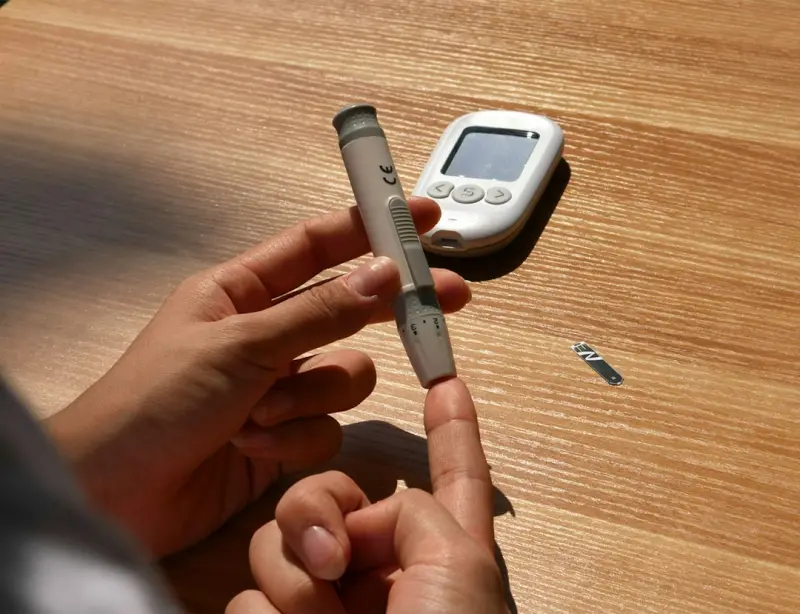
Turning Your Daily Rhythm into a Glucose Guardian: Unconventional Strategies for Steady Blood Sugar
Kelly Reynolds shares a blend of kitchen experiments, body‑clock syncing, sensory cues, and commun... Read More
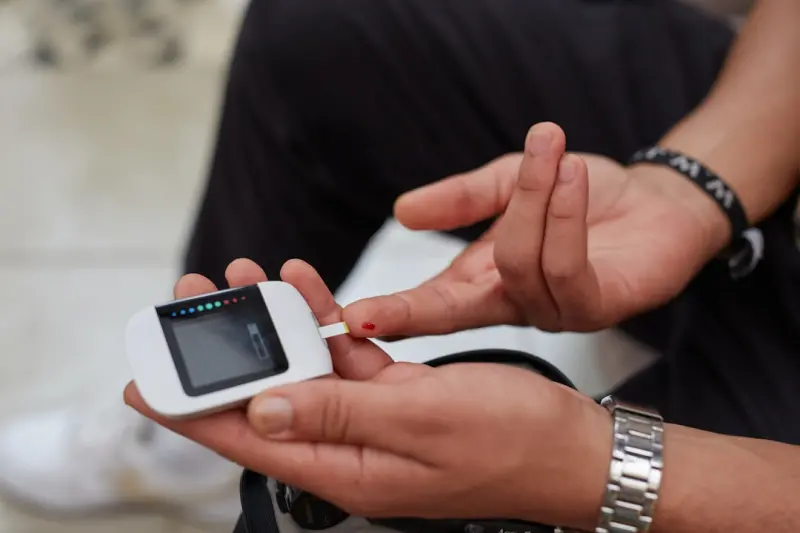
Building a Workplace Ecosystem for Stable Blood Sugar
Discover a holistic framework that blends wearable data, nutrient architecture, micro‑movements, c... Read More

The Quiet Levers of Blood Sugar: Tiny Shifts for Consistent Energy
A high‑performer’s guide to mastering blood sugar through stress management, micro‑movement, e... Read More
Top Posts

Nighttime Narrative: Crafting a Personal Storytelling Toolkit to Beat Insomnia
Explore a unique insomnia solution that blends bedtime storytelling, layered aromas, gentle movement, and mindful habits into a personalized ritual for deeper, ...Read More

Creative Pathways: Using Art, Music, and Movement to Heal Eating Disorders
Explore the power of creative expression—painting, cooking, music, and digital storytelling—to reshape your relationship with food and foster lasting recove...Read More
Practical Strategies for Navigating Narcolepsy in the Workplace
Learn how to thrive at work with narcolepsy using smart scheduling, workspace adaptations, and supportive communication strategies....Read More
Calming Aromas: How Natural Scents Support Infant Health and Development
Explore the science behind scent and infant development, learn safe aroma choices, and integrate simple fragrance rituals into daily care to promote calm, bette...Read More
0 Comments
Post Comment
You will need to Login or Register to comment on this post!