
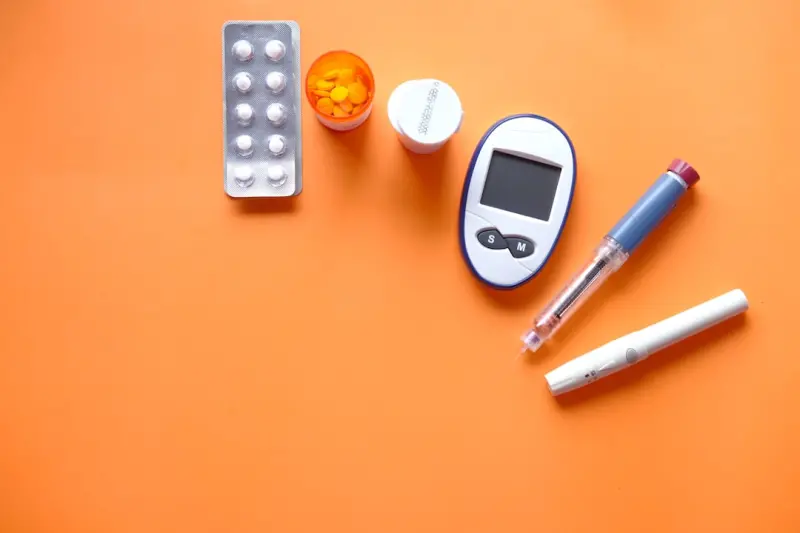
Why When You Eat Matters More Than What You Eat
Most conversations about glucose control circle around macronutrients, carb counts, and glycemic indexes. While those factors are undeniably important, there’s a quieter lever that many overlook: time. Your body runs on an internal clock that regulates hormone release, digestive efficiency, and cellular insulin sensitivity. Aligning your meals with this rhythm can create a smoother glucose curve without obsessively counting every gram.
The Body’s Internal Clock: A Quick Refresher
Every 24‑hour period, a master pacemaker in the brain—known as the suprachiasmatic nucleus—synchronizes peripheral clocks found in the liver, pancreas, and adipose tissue. These peripheral clocks respond to cues like light, activity, and food intake. When signals are in sync, the pancreas releases insulin at the right moment, the liver stores glucose efficiently, and muscles absorb sugar with minimal resistance.
Disruption of this harmony—think late‑night meals, erratic eating windows, or frequent shift work—creates “temporal misalignment.” The result is a blunted insulin response, higher post‑meal glucose spikes, and, over time, increased risk of metabolic strain.
Three Pillars of Chrono‑Nutrition for Glucose Stability
- Morning Metabolic Boost: The first few hours after waking are a window of heightened insulin sensitivity. Consuming a balanced breakfast that includes protein, healthy fats, and modest carbs can capitalize on this natural advantage.
- Mid‑Day Consistency: Keeping a regular lunchtime interval (roughly 4–5 hours after breakfast) prevents prolonged fasting that can trigger cortisol spikes, which in turn elevate glucose production.
- Early Evening Cut‑off: Aim to finish your last substantial meal at least 2–3 hours before bedtime. This allows peripheral clocks to wind down, reducing nocturnal glucose excursions.
Practical Strategies to Implement the Pillars
Below are actionable steps that fit seamlessly into a busy professional’s schedule.
1. Anchor Your Breakfast to Sunrise
If you can, time your first meal within an hour of natural light exposure. The morning light cue reinforces the central clock, amplifying insulin receptivity. A practical plate might include scrambled eggs, avocado, and a side of berries—providing protein, monounsaturated fats, and low‑glycemic fruit.
2. Use “Time‑Restricted Eating” (TRE) Wisely
Rather than viewing TRE as a strict fast, think of it as a structured eating window that respects your circadian rhythm. For most people, a 10‑ to 12‑hour window (e.g., 7 am–7 pm) works well. If you’re a night‑owl, shift the window later but keep it consistent day‑to‑day.
3. Pair Carbs with Fiber and Protein
Even within the optimal window, the composition of each meal influences glucose peaks. Pairing carbohydrate sources with soluble fiber (like oats or chia) and a protein source slows gastric emptying, flattening the glucose rise.
4. Leverage Light Exposure to Reinforce the Clock
After a late dinner, dim the lights and avoid bright screens for at least an hour before sleep. Blue‑light exposure can reset peripheral clocks in a way that confuses insulin timing, especially if you’re still awake past midnight.
5. Move Strategically
A short walk (10‑15 minutes) after lunch can boost muscle glucose uptake without demanding a full workout session. Light activity acts as a natural insulin sensitizer, especially beneficial for those whose work keeps them seated for long stretches.
When Stress Enters the Equation
Stress hormones, particularly cortisol, follow a diurnal pattern—peaking in the early morning and tapering toward evening. Chronic stress flattens this curve, leading to higher baseline glucose. Integrating stress‑reduction practices (mindful breathing, brief meditation, or a quick nature break) before meals can keep cortisol in check, allowing insulin to do its job more efficiently.
Case Study: A Day in the Life of a Chrono‑Nutrition Aligned Professional
Emma, a product manager, used to grab coffee and a sugary granola bar at 8 am, skip lunch, and finish a large pasta dinner at 9 pm. Her glucose monitor showed frequent spikes, especially after dinner, and she reported afternoon fatigue.
After adopting chrono‑nutrition principles, Emma made these adjustments:
- Breakfast at 7:30 am: Greek yogurt, walnuts, and fresh blueberries.
- Lunch at 12:30 pm: Grilled chicken salad with mixed greens, quinoa, and olive oil.
- Dinner at 6:30 pm: Baked salmon, roasted vegetables, and a small portion of sweet potato.
- Evening walk (15 minutes) after dinner.
- Dimmed lights and avoided screens after 9 pm.
Within two weeks, her post‑meal glucose peaks dropped by an average of 15 mg/dL, and she reported steadier energy throughout the day.
Integrating Technology Without Over‑Complicating
If you’re comfortable with data, a simple continuous glucose monitor (CGM) can reveal personal patterns that textbooks miss. Pair the CGM data with a journal tracking meal times, light exposure, and stress cues. Over weeks, patterns emerge that guide fine‑tuning.
For those who prefer a more guided approach, check out Reprogramming Prediabetes: Small Data‑Driven Steps for Big Metabolic Gains for a framework on using data without becoming enslaved to numbers.
Why Chrono‑Nutrition Complements, Not Replaces, Traditional Advice
Traditional nutritional advice—choosing low‑glycemic carbs, monitoring portion size, staying hydrated—remains foundational. Chrono‑nutrition adds a temporal dimension, enhancing the efficacy of those baseline strategies. Think of it as adding a “when” to the classic “what” and “how much.”
Potential Pitfalls and How to Avoid Them
Inflexible schedules: If your work demands irregular hours, aim for consistency in the spacing between meals rather than strict clock times. A 4‑hour interval between meals works even if the start time shifts.
Excessive restriction: Don’t skip meals solely to fit a window. Undernutrition can trigger counter‑regulatory hormones that raise glucose. Focus on nutrient density within the window.
Ignoring individual variation: Some people naturally have later peaks in insulin sensitivity. Use personal data (CGM, self‑monitoring) to identify your unique rhythm.
Putting It All Together: A Sample 7‑Day Plan
| Day | Breakfast (7‑8 am) | Lunch (12‑1 pm) | Dinner (6‑7 pm) |
|---|---|---|---|
| Monday | Omelette with spinach, mushrooms, and feta | Turkey wrap with whole‑grain tortilla, avocado, and mixed greens | Grilled shrimp, quinoa, steamed broccoli |
| Tuesday | Chia pudding with almond milk and sliced almonds | Mixed bean salad with olive oil vinaigrette | Lean beef stir‑fry with bell peppers and cauliflower rice |
| Wednesday | Smoothie: unsweetened kefir, berries, flaxseed | Grilled chicken Caesar salad (no croutons) | Baked cod, roasted carrots, wild rice |
| Thursday | Greek yogurt, pumpkin seeds, and a drizzle of honey | Lentil soup with a side of mixed greens | Turkey meatballs, zucchini noodles, marinara |
| Friday | Whole‑grain toast, almond butter, sliced banana | Quinoa bowl with roasted chickpeas, kale, and tahini | Salmon fillet, asparagus, sweet potato mash |
| Saturday | Protein pancakes topped with berries | Grilled veggie and hummus flatbread | Chicken curry with cauliflower rice |
| Sunday | Scrambled tofu with turmeric and veggies | Salad with mixed nuts, feta, and citrus dressing | Roasted pork tenderloin, Brussels sprouts, quinoa |
Notice the consistent timing and balanced macronutrient distribution. Adjust portion sizes based on personal activity levels.
Linking Gut Health to Temporal Eating
The gut microbiome follows its own diurnal rhythm, influenced by feeding times. Disrupted eating patterns can cause dysbiosis, which in turn affects glucose metabolism. For deeper insight into gut‑related strategies, see Gut‑Driven Detox: Reboot Your Microbiome for a Cleaner Body. Aligning meal timing helps keep the microbiome’s clock ticking in harmony with the host’s, further supporting stable glucose levels.
Final Thoughts: Make Time Your Ally
Managing glucose isn’t solely about cutting carbs or counting calories. By respecting the body’s natural timing, you create an environment where insulin works efficiently, cravings subside, and overall metabolic health flourishes. Start small: shift your breakfast earlier by 30 minutes, or set a consistent dinner cutoff. Track the impact, adjust as needed, and let the rhythm guide you toward steadier glucose and sustained vitality.

Brody Lambert is an emerging freelance writer whose fresh voice and thoughtful approach are quickly making their mark. As a fairly new entrant in the world of freelance writing, Brody brings a blend of curiosity and dedication that fuels every project, crafting stories and content that resonate with authenticity and clarity.
Related Posts

Designing a Blood‑Sugar‑Smart Workspace: Small Tweaks, Big Gains
A fresh look at how the design of your office or home workspace can quietly influence glucose levels... Read More

Steady Energy: A Practical Blueprint for Day‑Long Blood Sugar Balance
Discover practical strategies—from optimal meal windows and fiber pairings to cooler workspaces an... Read More

Seasonal Strategies to Naturally Manage Blood Sugar
Brandy Miller shares a fresh, season‑based approach to blood sugar management, blending local prod... Read More
Top Posts

The Unexpected Eco-Shift: How Pregnancy Can Lead You to a Greener Life
Pregnancy often triggers a heightened awareness of health and safety, making it the perfect catalyst for adopting sustainable habits that last beyond the due da...Read More

Nurturing Your Nest: A Holistic Blueprint for Modern Pregnancy
This article offers a fresh, holistic approach to pregnancy, blending light therapy, microbiome rewilding, gentle movement, financial planning, and supportive d...Read More

Flavor Chemistry: How Food Pairings Unlock Hidden Nutrients
Explore the science behind food pairings, from black pepper boosting turmeric’s benefits to vitamin C enhancing iron absorption, and learn practical tips to...Read More

Untangling the Night: A Compassionate Guide to Overcoming Sleep Terrors
Sleep terrors are intense nighttime episodes that can disrupt rest and affect daily wellbeing. This guide explores their causes, links to brain health, and offe...Read More
0 Comments
Post Comment
You will need to Login or Register to comment on this post!