
Why Early Sensory Play Matters More Than You Think
When I first held my daughter in the hospital’s neonatal unit, the sterile lighting and the hum of machines felt worlds away from the warm, chaotic kitchen I’d imagined. In that moment, I realized that every tiny breath she took was already a dialogue between her nervous system and the environment. The conversation is subtle, but it sets the stage for everything from emotional regulation to immune competence.
Infant health has long been framed through the lenses of nutrition and vaccination, both undeniably critical. Yet, a growing body of research suggests that the quality of sensory experiences in the first months of life may be equally foundational. Think of it as the “software” that programs the hardware of our bodies. A well‑written program can make the most sophisticated hardware perform flawlessly; a buggy one can cause glitches that echo for decades.
The Science of Sensory Integration in Newborns
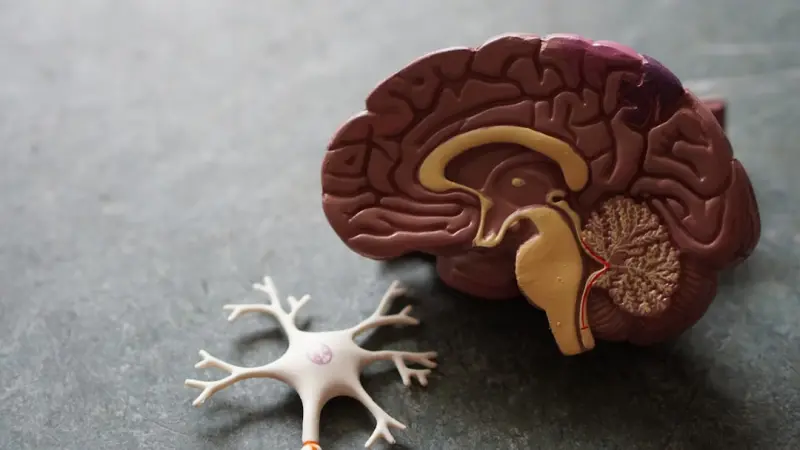
Neonates are born with a remarkable capacity for neuroplasticity. Their brain’s synaptic density expands at an astonishing rate—up to 1,000 new connections per second in the first year. This rapid wiring is guided by sensory input: touch, sound, sight, smell, and movement. When these inputs are rich, varied, and appropriately timed, they reinforce pathways that support calmness, attention, and healthy stress responses.
Conversely, overstimulation or under‑stimulation can skew development. An infant who is constantly exposed to harsh lighting, loud noises, or abrupt temperature shifts may develop heightened cortisol levels, which over time can dysregulate the hypothalamic‑pituitary‑adrenal (HPA) axis. This dysregulation has been linked to increased susceptibility to allergies, digestive issues, and even anxiety later in life.
Practical Ways to Enrich Sensory Environments
Below are evidence‑based strategies you can weave into daily routines. The goal isn’t to turn every moment into a structured activity, but to embed intentional, low‑stress sensory cues that support your baby’s nervous system.
- Gentle Tactile Exploration: Use soft fabrics, textured blankets, and safe household items (like a cool wooden spoon) for brief, supervised touch sessions. Skin‑to‑skin contact, also known as “kangaroo care,” remains the gold standard for stabilizing heart rate and promoting bonding.
- Rhythmic Auditory Stimulation: Soft, repetitive sounds—think of a lullaby hummed at a consistent tempo, or the gentle swish of a ceiling fan—can entrain an infant’s brainwaves toward a state of calm. Avoid sudden volume spikes, which can trigger startle reflexes.
- Visual Contrast: Newborns see best at high contrast. Black‑and‑white patterns, simple geometric shapes, and the natural shadows cast by a window can encourage visual tracking without overwhelming the developing retina.
- Olfactory Cues: A familiar scent, such as a mother’s shampoo or a lightly scented laundry detergent (free of harsh chemicals), can provide a grounding anchor that signals safety.
- Controlled Movement: Slow, rhythmic rocking or swaying mimics the motion babies felt in utero. The key is consistency—same pace, same direction—for a few minutes before sleep.
These practices are most effective when they become part of a predictable routine. Predictability reduces the infant’s need to constantly assess threats, freeing cognitive resources for growth.
Building a Calm Sleep Routine Without the Noise of “Sleep Training”
Many parents feel pressure to adopt aggressive “sleep training” methods. While some families find them useful, the approach often neglects the underlying sensory context. A more holistic method focuses on setting the stage for restful sleep.
Start by dimming lights an hour before bedtime, using a soft, amber nightlight rather than bright LED bulbs. Follow with a warm (not hot) bath, which can help lower core body temperature afterward—a cue the body interprets as “time to wind down.” Finally, incorporate a brief, gentle massage using a fragrance‑free baby oil; this tactile cue reinforces the safety narrative your infant has been building throughout the day.
When you consistently pair these cues, the infant’s brain begins to associate them with sleep, reducing the need for external prompts. The result is a more self‑regulated sleep pattern that benefits both baby and parent.
Nutrition Meets Sensory Play: Feeding as a Multi‑Sensory Experience
Breastfeeding and bottle‑feeding are inherently multi‑sensory. The scent of milk, the warmth of the mother’s skin, the rhythmic sucking—all convey messages of comfort. For formula‑fed infants, consider adding a tiny drop of vanilla extract (food‑grade) to the bottle to introduce a mild, familiar aroma that can aid soothing.
Beyond taste and smell, the act of feeding is an opportunity for gentle massage. Lightly stroking the baby’s arms and legs during a feed can promote circulation and reinforce the calming environment.
When the Home Becomes a Sensory Sanctuary
It’s easy to overlook how everyday household choices influence an infant’s sensory world. Here are a few adjustments that make a big difference:
- Air Quality: Use a HEPA filter to reduce dust and pollen, which can irritate delicate nasal passages and trigger sneezing or congestion.
- Temperature Stability: Keep the nursery within a comfortable range (68‑72°F). Sudden drafts can cause a baby’s autonomic system to overreact.
- Soft Soundscapes: A white‑noise machine set to a low volume can mask unpredictable household noises, creating a steady auditory backdrop.
- Minimal Clutter: A tidy space reduces visual chaos, allowing the infant’s eyes to focus on a few intentional elements rather than an overwhelming field.
The Role of Caregiver Attunement
Even the most perfectly curated environment can fall short if the caregiver’s emotional state is discordant. Infants are adept at picking up on subtle cues—changes in facial expression, tone of voice, and body language. When a parent is stressed, the infant’s own stress hormones can rise, a phenomenon known as “co‑regulation.”
Practicing brief mindfulness moments—taking three slow breaths before each feeding or diaper change—can reset the caregiver’s nervous system. This simple act creates a ripple effect, promoting a calmer exchange between parent and child.
Integrating Data‑Driven Insights Without the Overload
Modern parents often turn to apps that track sleep, feeding, and diaper changes. While data can be empowering, it can also become a source of anxiety if interpreted without context. I recommend using technology as a companion, not a commander. Look for trends over weeks rather than obsess over daily fluctuations.
If you’re interested in deeper insights, you might explore the concept of turning data into daily wins. Though originally framed for adult health, the principle of celebrating small, consistent improvements can be translated to infant milestones, encouraging parents to recognize and honor progress without pressure.
When Challenges Arise: A Proactive Mindset
Every infant is unique, and occasional hiccups—colic, reflux, or irregular sleep—are common. The key is to respond with curiosity rather than alarm. Document the circumstances surrounding the episode (time of day, recent sensory inputs, feeding details) and look for patterns. Often, a minor adjustment—like reducing background noise or altering a feeding position—can resolve the issue.
For families facing persistent difficulties, collaborating with a pediatric occupational therapist can provide personalized strategies. These specialists are skilled at assessing sensory processing and recommending tailored interventions that blend seamlessly into daily life.
Future Directions: The Emerging Field of Infant Sensory Wellness
Researchers are now exploring how early sensory experiences may influence the gut microbiome, a crucial player in immune development. Preliminary findings suggest that infants exposed to a variety of textures and flavors (through safe, age‑appropriate foods) develop a more diverse microbiota, which may protect against allergies and infections.
Another exciting avenue is the use of low‑frequency vibration mats designed for infants. Early trials indicate that gentle, consistent vibration can promote better sleep architecture and reduce fussiness, though more rigorous studies are needed.
Putting It All Together: A Sample Day
Below is a realistic, low‑stress schedule that incorporates the principles discussed. Feel free to adapt based on your family’s rhythm.
- 07:00 – Wake & Gentle Light: Open curtains to let natural light filter in. Offer a brief skin‑to‑skin cuddle while changing the diaper.
- 07:30 – Feeding: Use a soothing voice, introduce a mild vanilla scent for formula, and massage the baby’s arms lightly.
- 08:00 – Tactile Play: Present a high‑contrast black‑and‑white cloth, allowing the infant to explore texture for a few minutes.
- 09:30 – Outdoor Walk: A stroller ride in fresh air (filtered if pollen is high) provides new scents and gentle motion.
- 11:00 – Nap: Dim lights, activate a soft white‑noise machine, and practice a brief rocking motion.
- 13:00 – Feeding & Aromatic Cue: Repeat the calming feeding routine.
- 14:30 – Sensory Storytime: Use a soft, rhythmic chant while showing simple picture cards.
- 16:00 – Gentle Massage: A 5‑minute infant massage using fragrance‑free oil to aid circulation.
- 18:00 – Evening Routine: Warm bath, dim amber light, and a short lullaby before bedtime.
Notice the emphasis on rhythm, predictability, and multi‑sensory engagement. Over time, these cues become a language your infant understands, fostering resilience and well‑being from day one.
Conclusion: The Gift of a Thoughtful Sensory Landscape
Infancy is a fleeting window where the brain is most adaptable. By curating a sensory environment that balances stimulation with safety, parents can lay a robust foundation for lifelong health. The effort is not about perfection—it’s about intentional, compassionate choices that honor the tiny, remarkable being in your care.
Remember, the most powerful tool you have is your presence. When you tune into the subtle signals your infant sends, you become the most effective guide in their early journey toward thriving.

William Roy is a freelance writer originally from Montreal who moved to Ottawa with his wife of 50 years to be closer to their grandkids. Alongside his writing, William has a passion for fishing.
Related Posts

Why Listening to Your Baby’s Cues Can Transform Their Health
Learn how attuned caregiving—reading your baby’s cues, gentle massage, and mindful hygiene—can... Read More

Quiet Symphony: Unseen Levers Shaping Infant Health from Day One
A newborn’s wellbeing hinges on more than nutrition and sleep. This post reveals how ambient sound... Read More

Why Conversational Play Beats Screen Time for Baby Brain Boost
Explore the science behind conversational play and its impact on early brain development, offering p... Read More
Top Posts

Turn Up the Heat: How Ambient Temperature Can Accelerate Your Weight Loss Journey
Learn how modest changes to your indoor climate can activate brown fat, increase daily calorie burn, and complement diet and exercise for sustainable weight los...Read More

Promoting Mental Health in Children
Promoting mental health in children is essential for their development and long-term resilience. Learn effective strategies for fostering open communication, bu...Read More

Holistic Strategies to Keep Your Blood Sugar in Check
Learn how to stabilize blood sugar naturally with diet, timing, movement, stress control, sleep tips, and smart supplements for sustained energy and wellness....Read More

Storytelling as Medicine: A New Cancer Care Path
Exploring the transformative role of storytelling in cancer care, this post reveals how patients can reclaim agency, deepen support networks, and even influence...Read More
0 Comments
Post Comment
You will need to Login or Register to comment on this post!