
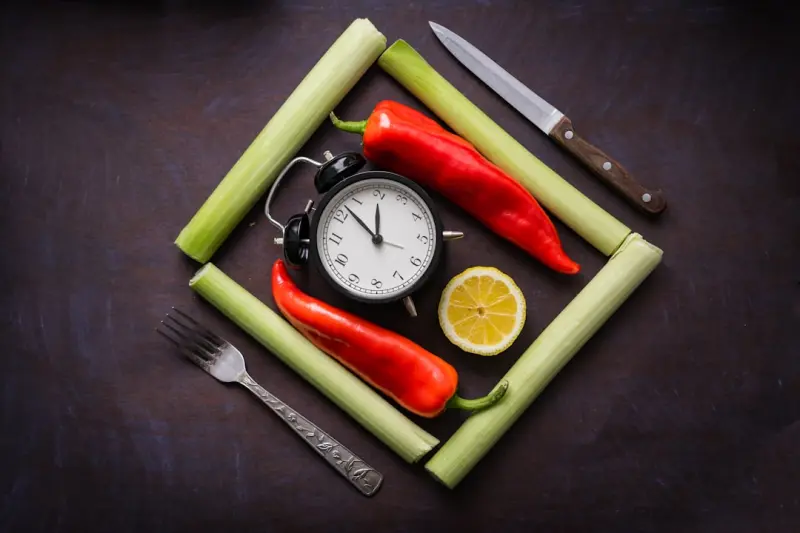
Why Timing Your Meals Is the Missing Piece in Blood‑Sugar Mastery
When most people think about managing glucose, they picture counting carbs, swapping sugary snacks for nuts, or obsessively tracking numbers on a meter. That’s the what of blood‑sugar control. What I’ve come to realize—after years of coaching high‑performers, juggling marathon training, and testing every new health app that lands on my phone—is that the when is far more decisive than the what. In other words, chrononutrition—the science of aligning meals with your body’s internal clock—can turn a decent glucose profile into a rock‑solid one.
The Clock Inside You Is Not a Fancy Metaphor
We all know the circadian rhythm governs sleep, hormone release, and core body temperature. What’s less talked about is its impact on insulin sensitivity. Research shows that insulin works best in the morning, gradually losing its efficiency as the day progresses. By 6 p.m., many people experience a natural dip in glucose tolerance, which means a late‑night pizza can send their blood‑sugar soaring far more than the same slice at lunch.
My own experiment was simple: I ate my biggest meal before noon for two weeks, then shifted it to after 7 p.m. for another two weeks. The difference in my continuous glucose monitor (CGM) traces was stark—peak spikes dropped by roughly 30 % when the bulk of calories hit earlier in the day. It wasn’t magic; it was the body’s built‑in rhythm finally getting the fuel it wanted at the right time.
Mapping Your Personal Glucose Rhythm
Before you overhaul your schedule, you need a baseline. Here’s a quick three‑step method to uncover your personal glucose rhythm:
- Step 1: Wear a CGM for a full week. Even if you’re not diabetic, short‑term CGM rentals are affordable and give you a real‑time heat map of spikes and troughs.
- Step 2: Log meal times, composition, and activity. Pair the CGM data with a simple spreadsheet or a notes app. Mark coffee, exercise, stress events—anything that might shift the curve.
- Step 3: Identify the “sweet spot.” Look for the window where post‑prandial spikes stay under 140 mg/dL (or your target range). That’s your optimal eating window.
Most of my clients discover a sweet spot between 8 a.m. and 2 p.m. If you’re a night owl, you might find a later window works better—but the principle stays the same: eat when your body is primed for it.
Designing a Meal Schedule That Fits Real Life
Chrononutrition isn’t a rigid 8‑hour eating window that forces you to skip dinner forever. It’s a flexible framework you can adapt to work, family, and social commitments. Below are three practical templates, each with a different lifestyle in mind.
1. The “Early Bird” Professional
Typical Day: 6 a.m. wake‑up, 7 a.m. workout, 9 a.m. office start, 5 p.m. wrap‑up.
- Breakfast (7 a.m.): Protein‑rich Greek yogurt, berries, and a sprinkle of chia.
- Mid‑Morning Snack (10 a.m.): Handful of almonds.
- Lunch (12 p.m.): Large salad with grilled salmon, quinoa, and olive‑oil dressing.
- Afternoon Snack (3 p.m.): Apple slices with nut butter.
- Dinner (6 p.m.): Light stir‑fry of tofu, broccoli, and cauliflower rice.
Notice the bulk of carbs sits before 2 p.m., capitalizing on peak insulin sensitivity.
2. The “Hybrid Remote” Parent
Typical Day: Flexible start, school drop‑offs, remote work, evening family time.
- Brunch (9 a.m.): Veggie omelet, avocado, whole‑grain toast.
- Snack (12 p.m.): Greek kefir and a few walnuts.
- Early Dinner (4 p.m.): Baked chicken, sweet potato, and steamed greens.
- Evening Snack (7 p.m.): Cottage cheese with cinnamon.
By shifting the main meal to late afternoon, you keep the evening snack low‑glycemic, which prevents the late‑night surge that many parents experience after bedtime stories.
3. The “Night Owl” Creative
Typical Day: Late start, late-night brainstorming sessions, occasional late meals.
- Late Breakfast (11 a.m.): Smoothie with spinach, protein powder, and low‑glycemic berries.
- Snack (2 p.m.): Edamame pods.
- Main Meal (6 p.m.): Lentil stew, brown rice, and roasted vegetables.
- Evening Snack (9 p.m.): Dark chocolate (70 %+ cacao) and a handful of pistachios.
The key here is to keep carbs moderate and pair them with fiber and protein, softening the post‑meal spike even when the body’s insulin response is naturally tapering.
How Tiny Movement Breaks Amplify the Benefits
Even the most perfectly timed meals can be undermined by prolonged sitting. A quick tiny movement break every 60–90 minutes spikes muscle glucose uptake, effectively acting as a natural insulin booster without the hormone surge. Think of a 2‑minute walk, desk‑side calf raises, or a set of body‑weight squats. Those micro‑bursts keep the glucose pipeline open and make your chrononutrition plan more resilient.
Leveraging Tech Without Becoming a Data Slave
Wearables are fantastic for spotting patterns, but they can also become an obsession. The sweet spot is using data to inform decisions, not to dictate every bite.
- Set a “glucose alert” threshold. Instead of monitoring every minute, get notified only when spikes exceed your personal limit.
- Integrate with calendar apps. Block “optimal eating windows” on your work calendar—just like you would a meeting.
- Use AI‑driven insights. Some platforms now suggest meal timing tweaks based on historic CGM data, eliminating the guesswork.
The Role of Stress and Light
Stress hormones—cortisol and adrenaline—are natural antagonists to insulin. If you’re pulling all‑nighters or battling a high‑pressure deadline, even the best‑timed meals can get derailed. Pair your timing strategy with simple stress‑reduction tools: short breathing exercises, a brief walk in natural light, or even a quick session of gamified breath work. The goal is to keep the hormonal environment calm, allowing insulin to do its job efficiently.
Putting It All Together: A Sample 7‑Day Chrononutrition Blueprint
Below is a ready‑to‑use plan that blends meal timing, movement, and stress management. Feel free to adjust based on your personal CGM insights.
| Day | Meal Window | Key Foods | Movement Breaks | Stress Tool |
|---|---|---|---|---|
| Monday | 8 a.m.–2 p.m. | Egg white scramble, oats, mixed berries | 2‑minute stretch at 10 a.m., 5‑minute walk at 12 p.m. | 5‑minute box breathing before lunch |
| Tuesday | 9 a.m.–3 p.m. | Greek yogurt, chia, sliced kiwi | Hip‑hinge series at 11 a.m., calf raises at 1 p.m. | Listen to 3‑minute nature sounds post‑snack |
| Wednesday | 7 a.m.–1 p.m. | Protein shake, almond butter toast, banana | Desk‑side marching in place at 9 a.m. | Mini meditation (2 min) after lunch |
| Thursday | 10 a.m.–4 p.m. | Quinoa bowl, chickpeas, roasted veg | Standing lunges at 12 p.m., 3‑minute walk at 2 p.m. | Gamified breath work (5 min) before dinner |
| Friday | 8 a.m.–2 p.m. | Smoked salmon, avocado, whole‑grain crispbread | Shoulder rolls every hour, 5‑minute stair climb at 1 p.m. | Gratitude journal (3 min) after snack |
| Saturday | 11 a.m.–5 p.m. | Veggie‑packed omelet, sweet potato hash | Family walk after brunch (15 min) | Deep‑stretch routine (5 min) post‑walk |
| Sunday | 9 a.m.–3 p.m. | Lentil soup, mixed greens, olive oil drizzle | Light yoga flow (10 min) before dinner | Read a short non‑fiction piece (10 min) for mental reset |
Notice the consistent theme: major carbs and proteins land before the early afternoon, movement breaks are brief but frequent, and stress tools are intentionally low‑commitment.
Common Pitfalls and How to Dodge Them
- “I’m too busy to eat early.” Prep meals the night before. Overnight oats, pre‑portion salads, or a ready‑to‑heat protein bowl shave minutes off the morning hustle.
- “I get hungry after my eating window.” Finish the window with a high‑fiber, moderate‑protein snack (e.g., cottage cheese + cinnamon). This slows gastric emptying and curtails late cravings.
- “My CGM shows spikes even with early meals.” Examine hidden carbs—sauces, dressings, even “healthy” smoothies can be sugar traps. Swap them for vinegar‑based dressings or low‑glycemic fruit combos.
- “I travel a lot; my schedule is chaotic.” Use the “portable window” rule: wherever you are, aim for an 8‑hour window that starts within 2 hours of sunrise in the local time zone. This keeps the circadian alignment intact.
Integrating Chrononutrition With Existing Strategies
If you’ve already embraced other blood‑sugar tactics—like the micro‑periodization playbook or low‑glycemic cooking—think of timing as the missing gear in a well‑oiled machine. Pair a macro‑balanced plate with the optimal eating window, sprinkle in movement breaks, and you’ll likely see a reduction in average glucose excursions of 15‑25 %.
Bottom Line: Time Is the New Carbohydrate
When you stop obsessing over the exact gram count and start listening to your body’s internal clock, you unlock a hidden lever for glucose control. Chrononutrition isn’t a fad; it’s a science‑backed approach that aligns nutrition with the physiology you already have. Start small—shift one meal 2 hours earlier, add a 2‑minute walk after lunch, and watch the data speak for itself. Your future self will thank you with steadier energy, clearer focus, and a healthier relationship with food.

Tom Ferguson is a Canadian freelance writer with a passion for storytelling, current events, and thoughtful commentary. Drawing on years of writing experience, he shares engaging insights on a wide range of topics, bringing a uniquely Canadian perspective to his work.
Related Posts
Gamify Your Glucose: A Playful Path to Steady Blood Sugar for High‑Performance Professionals
Discover a data‑driven, gamified approach to blood sugar management that uses real‑time scoring,... Read More
Turning Blood Sugar Into a Strategic Asset for High‑Performers
Learn to treat glucose as a real‑time performance metric, align meals with stress cycles, and time... Read More
Holistic Blueprint for Stable Blood Sugar
A comprehensive guide that goes beyond counting carbs, offering actionable tips on meal timing, ligh... Read More
Top Posts

When Climate Change Fuels Autoimmune Flare-Ups: A New Frontline in Health
A deep dive into the hidden connection between climate change, environmental toxins, and rising autoimmune disorders, offering science‑backed insights and pra...Read More
When the Immune System Goes Rogue: A Data‑Driven Playbook for Living with Autoimmune Disease
Living with autoimmune disease can feel like a hidden chess match. This post offers a data‑driven playbook—covering symptom tracking, AI forecasts, immersiv...Read More
Micro‑Movements and Timing: A Fresh Playbook for Stable Blood Sugar
Explore a new approach to blood sugar management that combines short, intentional movements, consistent meal windows, sensory‑guided eating, and predictive te...Read More

Writing Through the Storm: How Narrative Healing Empowers Cancer Survivors
A personal guide to using writing, supportive circles, and technology as therapeutic tools during cancer treatment, turning a solitary struggle into a shared na...Read More
0 Comments
Post Comment
You will need to Login or Register to comment on this post!