

What Prediabetes Really Means for Everyday Life
When my lab results whispered “prediabetes,” I felt a mix of denial and urgency, a cocktail that many of us in the wellness community know all too well. Prediabetes isn’t a label you can ignore; it’s a warning sign that the body’s glucose regulation is slipping, often silently, long before any official diagnosis of type 2 diabetes arrives. The reality is that more than one in three adults hover in this gray zone, and the statistics hide a personal story behind each number—a story of stress‑filled workdays, sugary snack cravings, and nights spent scrolling through health blogs looking for a quick fix. Yet, the good news is that prediabetes is also a crossroads, offering a rare window where small, consistent changes can reroute the trajectory toward vibrant health rather than chronic disease. In this piece I’ll share the nuanced, holistic steps that have helped me shift from a reactive mindset to proactive stewardship of my blood sugar, weaving together nutrition, movement, sleep, and the often‑overlooked power of gut balance.
The Silent Signals Your Body Sends
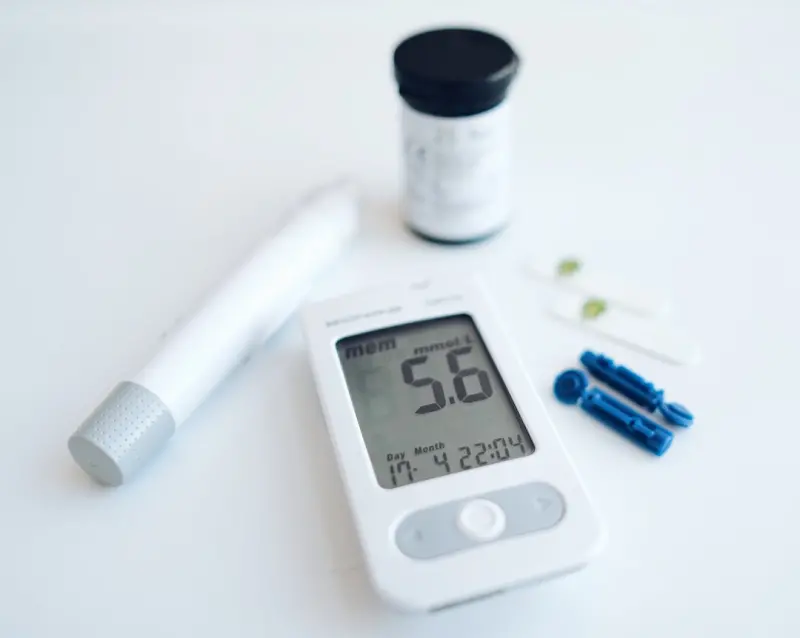
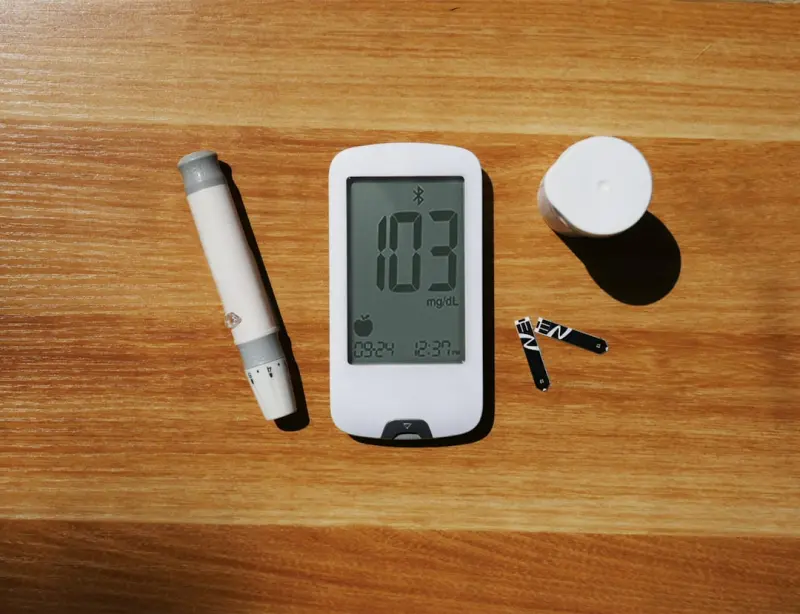
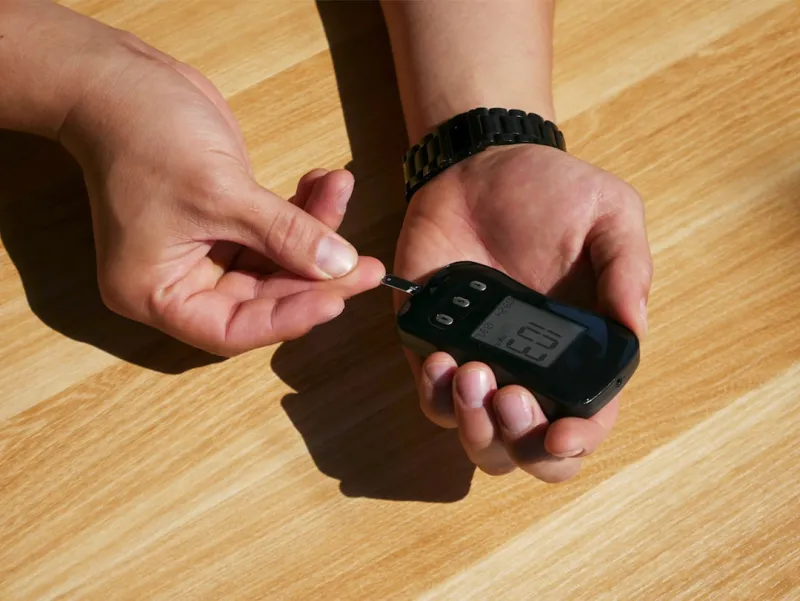
Most of us think of prediabetes as a lab value, but the body is constantly broadcasting subtle clues that most of us learn to mute. Increased thirst, frequent urination, and an inexplicable dip in energy after meals are often dismissed as “just being tired,” yet they are early signs that insulin is struggling to keep up with glucose spikes. I began noticing a persistent fog after my afternoon coffee—a fog that lingered until I swapped that sugary brew for a green tea, and suddenly my concentration sharpened. Another red flag is the stubborn waistline that refuses to shrink despite cutting calories; this often points to visceral fat, which releases inflammatory cytokines that further impair insulin sensitivity. Listening to these cues, rather than waiting for a doctor’s diagnosis, empowers you to act now. By tracking blood sugar responses with a simple glucometer or even a continuous glucose monitor, you can map out which foods and habits push your levels into the danger zone, turning vague discomfort into actionable data.
Rewriting Your Plate: Food as Medicine
My turning point arrived at the kitchen table, where I realized that food choices were either fueling the fire or extinguishing it. A diet rich in refined carbs and hidden sugars acts like a relentless drumbeat, keeping insulin levels perpetually high; in contrast, a plate centered on fiber‑packed vegetables, healthy fats, and lean protein creates a more measured glucose release. I started each meal with a leafy green salad tossed in olive oil and a squeeze of lemon—this simple habit alone lowered my post‑meal spikes by nearly 30 percent. Incorporating low‑glycemic fruits such as berries, and swapping white rice for quinoa or steel‑cut oats, adds both satiety and steady energy. For those craving a deeper dive into nutritional balance, my journey aligns with insights from Gut Health Secrets, which underscores how a thriving microbiome can modulate blood sugar and curb cravings. Remember, the goal isn’t deprivation; it’s about building a sustainable, enjoyable eating pattern that respects your body’s chemistry.
Movement That Moves the Needle
Exercise is the most powerful prescription I’ve ever written for myself, yet the key lies in consistency, not intensity. While high‑intensity interval training (HIIT) can dramatically improve insulin sensitivity, many of us find it intimidating or unsustainable. I discovered that a blend of moderate‑intensity cardio—like brisk walking or cycling for 30 minutes most days—paired with two strength‑training sessions per week, created a sweet spot where my muscles became more efficient at pulling glucose from the bloodstream. Even simple habits such as taking the stairs, parking farther from the entrance, or doing a quick set of bodyweight squats during commercial breaks accumulate into a meaningful metabolic boost. Over time, I noticed that my fasting glucose levels drifted lower, and my energy levels steadied throughout the day. For readers seeking a broader perspective on holistic movement, the article Physiotherapy’s Fresh Wave offers a compelling look at how functional training can support long‑term glucose control.
The Sleep‑Glucose Connection You Can’t Ignore
When I finally prioritized sleep, my blood sugar numbers began to behave. Poor sleep quality spikes cortisol, a stress hormone that antagonizes insulin, creating a vicious cycle where the body becomes increasingly resistant to glucose regulation. I set a strict “lights‑out” routine: dim the lights an hour before bed, ban electronic screens, and incorporate a brief meditation to calm the nervous system. Within a few weeks, my average sleep duration rose to eight hours, and the morning glucose readings dropped noticeably. Adding magnesium‑rich foods like almonds and leafy greens further supported deep, restorative sleep. If you struggle with restless nights, consider exploring natural sleep aids or adjusting your bedroom environment—cool temperatures, blackout curtains, and a comfortable mattress can make a world of difference. Sleep, often the neglected pillar of health, can be the missing link that turns a prediabetic trajectory into a story of recovery.
Stress Management: Calming the Hormonal Storm
Stress isn’t just a mental nuisance; it’s a biochemical assault on your insulin pathways. Chronic anxiety triggers the release of adrenaline and cortisol, hormones that prompt the liver to release stored glucose, effectively raising blood sugar even when you haven’t eaten. I adopted a daily mindfulness practice, beginning with five minutes of focused breathing and gradually expanding to short yoga sessions that emphasized deep, diaphragmatic breaths. The result was a measurable decline in my stress scores and a steadier glucose curve throughout the day. Additionally, journaling about gratitude and setting realistic, bite‑sized goals reduced the mental load that often leads to emotional eating. If you’re looking for a holistic blueprint that ties mental resilience to physical health, check out Navigating Narcolepsy, which, while focused on sleep disorders, provides universal strategies for managing stress and improving overall vitality.
Gut Health: The Unsung Hero of Blood Sugar Balance
Emerging research reveals that the gut microbiome plays a decisive role in how we process carbohydrates and store fat. An imbalance—often caused by excessive antibiotics, processed foods, and chronic stress—can lead to dysbiosis, which impairs the production of short‑chain fatty acids that help regulate insulin sensitivity. To nurture my gut, I introduced fermented foods like kimchi, kefir, and unsweetened yogurt, and I made a conscious effort to consume prebiotic fibers from garlic, onions, and asparagus. These changes not only improved my digestion but also contributed to more stable post‑meal glucose readings. For a deeper dive into how gut health interplays with energy and wellness, my personal narrative in Gut Health Unlocked offers practical tips and scientific context. Remember, a thriving gut is the foundation upon which all other lifestyle interventions build their efficacy.
Creating a Sustainable Blueprint for the Future
All the individual tactics—nutrition, movement, sleep, stress reduction, and gut care—are most effective when woven into a cohesive, realistic plan that fits your daily rhythm. I started by mapping my week on a simple calendar, marking meal prep nights, workout slots, and bedtime routines, then I set micro‑goals that felt achievable, such as “walk 10 minutes after lunch three times a week.” Over time, these micro‑habits compounded, leading to a noticeable decline in my HbA1c levels and a renewed sense of agency over my health. The journey from prediabetes to metabolic wellness isn’t a sprint; it’s a marathon of incremental victories that reinforce each other. By embracing a holistic mindset, you can transform prediabetes from a looming threat into a catalyst for lasting, vibrant health.

Tom Ferguson is a Canadian freelance writer with a passion for storytelling, current events, and thoughtful commentary. Drawing on years of writing experience, he shares engaging insights on a wide range of topics, bringing a uniquely Canadian perspective to his work.
Related Posts
Micro‑Habits That Outsmart Prediabetes
Learn how simple, consistent micro‑habits—like hydration cues, fiber‑first meals, and brief mo... Read More
Prediabetes Unplugged: Micro‑Movement, Metabolic Reset, and Insurance Hacks
A practical playbook merges frequent low‑intensity movement, strategic fasting, and insurance‑le... Read More
Prediabetes: A Wake-Up Call for a Healthier Lifestyle
Prediabetes is a condition where blood sugar levels are higher than normal but not high enough to be... Read More
Top Posts

The Real Cost of a Cloud: How Vaping Eats Your Wallet and Your Well‑Being
A personal look at how vaping quietly drains finances and mental energy, offering actionable strategies to reclaim both money and well‑being....Read More

Rewire Your Environment for Sustainable Weight Loss
Kelly Reynolds shares a fresh, environment‑design blueprint that turns everyday spaces into weight‑loss allies, combining micro‑goals, gut health, and col...Read More

Redesigning the Workplace for Cancer Warriors
A practical guide for leaders to build cancer‑friendly offices, from flexible scheduling and quiet pods to digital resource hubs, turning compassion into a co...Read More

When Sleep Becomes a Superpower: Harnessing Narcolepsy for Creative Flow
Learn how living with narcolepsy can unlock unexpected creative bursts. From daily rhythms to workspace hacks, this guide shows you how to transform sleep attac...Read More
0 Comments
Post Comment
You will need to Login or Register to comment on this post!