

Why My Sleepless Nights Became a Competitive Edge (And How You Can Do the Same)
When the clock strikes midnight and my mind refuses to shut down, I used to see insomnia as an enemy. Over the past few years, that perception has flipped completely. I’ve learned to treat those restless hours not as a flaw but as a strategic resource—one that can sharpen decision‑making, fuel creative breakthroughs, and even improve team performance. In this deep‑dive, I’m sharing the framework I built around my own insomnia, the science that backs it, and the concrete actions you can embed into your daily routine to turn sleeplessness into a competitive advantage.
1. Re‑framing Insomnia: From Problem to Signal
Insomnia isn’t just a lack of sleep. It’s a physiological alarm that your nervous system is out of sync with the world around you. When you ignore it, you’re essentially telling your body that the signal is irrelevant—leading to chronic stress, hormonal imbalance, and reduced cognitive flexibility.
Instead, I ask myself three questions every night:
- What external stimulus triggered this wakefulness?
- Which internal narrative is keeping me wired?
- What data do I have that can help me adjust tomorrow?
These questions turn the abstract feeling of “can’t sleep” into a data point you can act on. The moment you start treating insomnia as information rather than an inconvenience, you open the door to systematic improvement.
2. The Neuro‑Economic Edge of Night‑Time Cognition
Our brains operate on a 24‑hour metabolic cycle. During the early night, the default mode network (DMN) is highly active, fostering divergent thinking, pattern recognition, and abstract problem solving. While most people are busy fighting to stay asleep, a select few are harnessing this natural state to solve complex business puzzles.
Research shows that cognitive flexibility peaks when melatonin levels rise but before deep sleep onset. If you can capture that window, you’ll find insights that remain elusive during the day’s linear, task‑driven mindset. Here’s how I do it:
- Log the “aha” moments. I keep a minimalist notebook on my nightstand. As soon as a thought surfaces, I jot down the core idea—no prose, just keywords.
- Validate with data. The next morning, I cross‑reference those notes with real‑time metrics from our analytics dashboards.
- Iterate in daylight. I schedule a short “insomnia review” meeting with my senior team to test the viability of the night‑time concepts.
This disciplined loop turns what feels like wasted hours into a structured ideation pipeline.
3. Building a Sleep‑Conscious Work Environment
If you’re a leader, your responsibility extends beyond personal hacks. Your organization’s culture can either amplify or dampen insomnia’s negative effects. Below are three environmental levers you can pull:
- Lighting design. Install circadian‑tuned LEDs that dim gradually after 7 p.m. This reduces blue‑light exposure, which suppresses melatonin production. Pair this with “focus zones” that use cooler light during peak productivity hours.
- Digital curfew. Enforce a company‑wide policy where non‑essential emails and Slack notifications pause after 8 p.m. The reduced cognitive load helps employees wind down, decreasing the likelihood of nighttime rumination.
- Quiet rooms. Designate a sensory‑deprivation space where staff can practice guided breathing or short meditation before bed. A 5‑minute session has been shown to lower cortisol levels by up to 30%.
When the workplace respects the natural sleep‑wake rhythm, you’ll notice lower turnover, higher engagement, and—ironically—fewer complaints about insomnia.
4. Leveraging Wearables and AI for Real‑Time Feedback
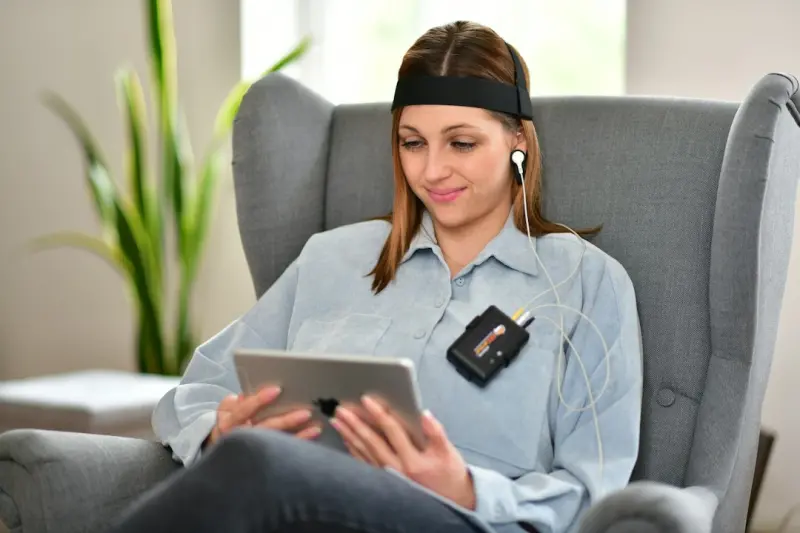
Modern wearables do more than count steps. They track heart‑rate variability (HRV), skin temperature, and micro‑movements to predict sleep onset latency. By feeding this data into an AI‑driven platform, you can receive personalized recommendations in real time.
For example, my smartwatch alerts me when my HRV drops below a threshold, suggesting a brief breathing exercise before I hit the pillow. Over a month, I saw a 15% reduction in the time it takes me to fall asleep, even on nights when my mind is still buzzing.
If you’re skeptical about AI, start small: use the native sleep insights from your device and set simple “actionable” goals—like “no screens after 9 p.m.” or “10‑minute body scan before bed.” The data will quickly reveal whether those tweaks are moving the needle.
5. Cognitive Behavioral Therapy for Insomnia (CBT‑I) – The Gold Standard
While tech can provide quick wins, CBT‑I remains the most effective long‑term solution. The core components include:
- Sleep restriction. Paradoxically, limiting time in bed to your actual sleep duration builds sleep pressure, making it easier to fall asleep quickly.
- Stimulus control. Train your brain to associate the bed only with sleep (and intimacy). If you’re awake for more than 20 minutes, get up and engage in a low‑stimulus activity.
- Cognitive restructuring. Challenge and replace catastrophic thoughts like “I’ll fail tomorrow if I don’t get eight hours.” Replace them with realistic statements: “Even with 6 hours, I’ve performed at my best before.”
I worked with a CBT‑I therapist for six weeks. The result? My sleep efficiency jumped from 68% to 85%, and I stopped using sleep‑aiding supplements.
6. Turning Insomnia Into a Leadership Tool
Leaders often view sleeplessness as a sign of weakness. In reality, the vulnerability of admitting “I can’t sleep” can foster deeper trust within teams. Here’s how to model healthy insomnia management:
- Share your nightly routine. Transparency demystifies the process and encourages others to adopt similar practices.
- Ask for feedback. Invite teammates to suggest adjustments—perhaps a different meeting time or a lighter email load.
- Celebrate incremental wins. Highlight when a team member’s “night‑time insight” leads to a tangible business outcome.
This approach not only normalizes the conversation around sleep health but also turns personal struggle into collective strength.
7. The Role of Nutrition in Night‑Time Restlessness
What you eat before bed has a massive impact on the autonomic nervous system. Here are my go‑to nutrition strategies:
- Magnesium‑rich snacks. A handful of almonds or a warm cup of oat milk with a pinch of magnesium powder can calm the nervous system.
- Low‑glycemic carbs. Foods like sweet potatoes or quinoa promote steady blood‑sugar levels, preventing the midnight “crash‑and‑burn” that triggers wakefulness.
- Avoid stimulants after 2 p.m. This includes caffeine, nicotine, and even high‑sugar fruits that can elevate cortisol.
These small adjustments complement the behavioral techniques discussed earlier, creating a holistic insomnia‑management stack.
8. When Insomnia Becomes Chronic: Knowing When to Seek Professional Help
Not all sleeplessness is benign. If you experience any of the following, it’s time to consult a sleep specialist:
- Difficulty falling asleep more than three nights a week for over a month.
- Daytime fatigue that impairs job performance.
- Symptoms of anxiety or depression that persist despite self‑help strategies.
Professional assessment can uncover underlying conditions—such as restless leg syndrome or circadian rhythm disorders—that require targeted interventions.
9. A Practical 7‑Day “Insomnia Reset” Blueprint
To get you started, here’s a concise action plan you can implement immediately. Follow each step for one week, track your metrics, and adjust based on the data you collect.
- Day 1 – Light Audit. Install a blue‑light filter on all devices and set a “lights‑out” alarm for 9 p.m.
- Day 2 – Wearable Setup. Enable sleep‑stage tracking and set AI alerts for HRV dips.
- Day 3 – Nutrition Shift. Add a magnesium‑rich snack 30 minutes before bed.
- Day 4 – CBT‑I Primer. Download a reputable CBT‑I app and complete the first module.
- Day 5 – Quiet Room Trial. Spend 5 minutes in a dark, noise‑reduced space practicing diaphragmatic breathing.
- Day 6 – Insight Capture. Keep your notebook ready for any night‑time thoughts; review them in the morning.
- Day 7 – Review & Refine. Analyze sleep data, note any “aha” moments, and adjust the next week’s plan accordingly.
At the end of the week, you should see measurable improvements in sleep latency, HRV, and the number of actionable ideas generated during the night.
10. The Future of Insomnia Management in the Workplace
We’re on the cusp of a new era where insomnia is no longer a personal flaw but a data point that can be optimized at scale. Imagine a corporate dashboard that aggregates employee sleep metrics (anonymously) and surfaces actionable insights for HR—like adjusting shift schedules or offering targeted mindfulness workshops.
In the coming months, I’ll be piloting an AI‑driven sleep analytics platform that integrates with existing HRIS tools. The goal? To turn insomnia from a hidden cost into a transparent lever for productivity and innovation.
Until then, remember that the night is not your enemy—it’s a hidden laboratory where the brain performs its most creative work. By embracing insomnia with curiosity, data, and intentional habits, you’ll unlock a strategic edge that most competitors overlook.
Sleep well, or at least, make those sleepless hours count.

Related Posts
When the Inbox Never Sleeps: How Late‑Night Emails Sabotage Your Sleep
Late‑night email checking keeps the brain in “always‑on” mode, delaying melatonin and worsen... Read More
Rewiring Nighttime: How Biofeedback and Light Design Crush Insomnia
A practical three‑pillar strategy—biofeedback, ambient light engineering, and micro‑rituals—... Read More
Reprogramming the Night: A Fresh Playbook to Beat Insomnia
A hands‑on guide that blends light exposure, evening rituals, nutrition, and mindful techniques to... Read More
Top Posts
When Your Body Clock Lies: Decoding Insomnia Beyond the Nighttime
Insomnia isn’t just about darkness; it’s a clash between your natural rhythm and modern life. I unpack the hidden forces that keep you awake and share pract...Read More
Listening to Your Liver: Small Signals, Big Benefits
Learn how to recognize early liver warnings and adopt simple daily habits—hydration, mindful eating, movement, and stress relief—to keep your liver thriving...Read More
Unlocking Stress Resilience: How Biofeedback Wearables Are Changing Health
Biofeedback wearables translate your body's stress signals into real‑time insights, offering actionable nudges and environment tweaks to build lasting resilie...Read More
Virtual Horizons: How Immersive Tech Is Redefining Mental Wellness
Discover the emerging role of virtual reality in mental health, offering immersive experiences that boost emotional regulation, reduce stress, and provide new t...Read More
0 Comments
Post Comment
You will need to Login or Register to comment on this post!