
Why Prediabetes Isn’t the End of the Road – It’s a Data‑Driven Detour
When I first got the label “prediabetic” in my routine labs, I felt a mix of embarrassment and urgency. It’s a term that sits in a gray zone—higher than normal, lower than diabetic—but its very existence forces a conversation about numbers, habits, and future health. Instead of seeing it as a verdict, I chose to treat it as a live feedback loop from my body, a signal that my metabolism is trying to tell me something important.
The Hidden Economics of a “Borderline” Diagnosis
Think of prediabetes as an early‑stage credit score warning. Banks won’t deny you a loan outright, but they’ll raise the interest rate and ask you to prove you can manage risk. In the same way, the healthcare system flags elevated fasting glucose or A1C as a cue to intervene before the costs—both financial and physiological—skyrocket.
What’s often missed in the public conversation is the economic upside of acting now. Studies show that each dollar spent on lifestyle‑focused interventions in the prediabetic window can save up to $7 in future medical expenses. That’s not just a health argument; it’s a business case for individuals, insurers, and employers alike.
Data‑Driven Self‑Management: Turning Numbers Into Action
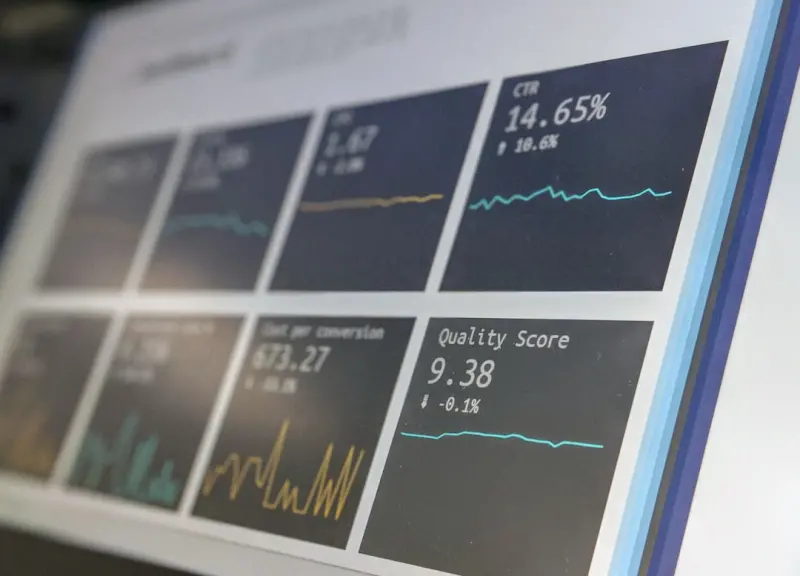
Modern wearables, continuous glucose monitors (CGMs), and AI‑powered dashboards have turned raw lab values into actionable insights. I started tracking my glucose trends in real time, overlaying them with sleep stages, stress markers, and food logs. The patterns that emerged were astonishing:
- Post‑lunch spikes: A predictable 30‑minute rise after a carb‑heavy sandwich, lasting two hours.
- Stress‑linked blips: Whenever my heart rate variability dipped, my glucose edged upward, even if I hadn’t eaten.
- Sleep‑recovery lag: Nights with less than six hours of deep sleep resulted in higher fasting glucose the next morning.
These data points became my personal “early‑warning system.” Instead of waiting for the next doctor’s appointment, I could tweak a meal, insert a short walk, or practice a breathing exercise the moment I saw the trend spike.
Reframing the Narrative: From Risk to Resource
Most health content treats prediabetes as a looming threat. I wanted a different story—a narrative that empowers. By positioning the condition as a resource, you can leverage it to build resilience:
- Identify the leverage points: Use your glucose data to pinpoint exact moments when your body is most vulnerable.
- Apply targeted interventions: Match each vulnerability with a precise habit—like a 10‑minute mobility routine after a high‑glycemic snack.
- Iterate quickly: Because the feedback is immediate, you can test, learn, and refine within days rather than months.
This rapid‑feedback loop mirrors the agile methodology I use in tech projects: hypothesis, experiment, measurement, and adjustment. The difference is that the “sprint” is your own metabolism.
Micro‑Adjustments That Pack a Punch
Below are three low‑effort adjustments that consistently moved my glucose curve in the right direction. They’re not miracles; they’re evidence‑based nudges that compound over time.
1. Timing Your Protein
Adding 20‑30 grams of high‑quality protein (think eggs, Greek yogurt, or tempeh) within 30 minutes of a carbohydrate‑rich meal slows gastric emptying and blunts the glucose surge. The effect is measurable on a CGM within minutes and lasts for the next two to three hours.
2. Light Exposure After Meals
Bright light exposure—either natural sunlight or a 10,000‑lux light box—for 15 minutes after lunch can improve insulin sensitivity. The mechanism is tied to circadian rhythm resetting, which in turn influences how cells respond to glucose.
3. Mini‑Movement Bursts
Rather than a single 30‑minute walk, I break activity into three 5‑minute walks spaced throughout the afternoon. Each burst spikes muscle uptake of glucose, effectively creating “micro‑clearance events” that keep blood sugar flatter.
Beyond the Plate: Stress, Sleep, and the Decision‑Fatigue Connection
One of the most eye‑opening discoveries in my data journey was the relationship between decision fatigue and glucose spikes. When my brain is exhausted from constant choices—emails, meetings, and the endless scroll of notifications—my cortisol spikes, and so does my blood sugar. It’s a feedback loop that can be broken by simplifying daily decisions.
For a deeper dive into how mental load affects metabolism, check out the article on energy management under decision fatigue. It outlines practical tactics like “decision batching” and “uniform outfit days” that free up mental bandwidth and keep glucose stable.
Leveraging Community for Accountability
Social reinforcement is a powerful catalyst. I joined a small cohort of professionals who share their glucose data anonymously and swap strategies. The group operates on three simple rules:
- Share one win and one challenge each week.
- Commit to a single, measurable experiment (e.g., “Add 15 g of fiber at dinner for two weeks”).
- Provide data‑backed feedback, not just encouragement.
The collective intelligence of the group has helped me discover nuances—like the fact that a certain brand of dark chocolate stabilizes my post‑dinner glucose better than a fruit‑based dessert, despite the higher fat content.
Technology as a Partner, Not a Replacement
It’s tempting to rely entirely on devices, but the real power lies in the interpretation. A CGM can tell you a spike occurred; you must decide why. That’s where the habit of reflective journaling becomes essential. I spend five minutes each evening reviewing my glucose trends, noting meals, stressors, and sleep quality. Over weeks, patterns solidify, and I can predict which upcoming scenarios will likely cause spikes.
Scaling the Approach for Teams and Organizations
Businesses can translate this personal framework into corporate wellness programs. Imagine a dashboard that aggregates anonymized glucose trends across a workforce, highlighting peak stress periods (e.g., end‑of‑quarter crunches) and prompting organization‑wide interventions—like scheduled movement breaks or optional mindfulness sessions.
Such an initiative does three things:
- Reduces health‑care costs: By catching prediabetes early, employers can lower the incidence of full‑blown Type 2 diabetes.
- Boosts productivity: Stable glucose translates to steadier energy levels and sharper focus.
- Improves employee morale: Demonstrating that the company invests in data‑backed health tools builds trust.
Connecting the Dots with Small‑Scale Environmental Tweaks
Just as you might optimize your workspace for weight control, you can engineer your environment to support glucose stability:
- Food placement: Keep fresh berries and nuts on the desk, and hide sugary snacks.
- Lighting: Use warm lighting in the evening to signal the body to wind down, reducing nocturnal glucose spikes.
- Soundscape: Low‑frequency background music can lower cortisol, indirectly supporting better glucose control.
Future‑Proofing Your Metabolism
Prediabetes is a snapshot, not a destiny. By treating it as a dynamic signal, you give yourself the agency to rewrite the trajectory. The steps are simple yet powerful:
- Equip yourself with a real‑time glucose monitor or at least a regular testing schedule.
- Map your data against meals, stressors, and sleep to discover personal patterns.
- Implement micro‑adjustments—protein timing, light exposure, movement bursts—and measure the impact.
- Lean on community or workplace groups for accountability and shared learning.
- Iterate continuously, treating each data point as a chance to refine your metabolic strategy.
When you shift your mindset from “I have a problem” to “I have a data‑rich opportunity,” prediabetes becomes a catalyst for a stronger, more resilient you. It’s not just about avoiding diabetes; it’s about unlocking a higher baseline of energy, focus, and longevity.

Brody Lambert is an emerging freelance writer whose fresh voice and thoughtful approach are quickly making their mark. As a fairly new entrant in the world of freelance writing, Brody brings a blend of curiosity and dedication that fuels every project, crafting stories and content that resonate with authenticity and clarity.
Related Posts

The Silent Saboteur: How Workplace Culture Fuels Prediabetes and What You Can Do
A deep dive into how stress, sedentary work, and digital overload create hidden metabolic risks, wit... Read More

Heritage Meals, Healthier Hearts: Redesigning Traditional Cuisine to Beat Prediabetes
Explore practical ways to transform beloved traditional dishes into prediabetes‑friendly meals, us... Read More
Game On: Turning Prediabetes Prevention into a Fun, Competitive Journey
Learn how to turn prediabetes prevention into an interactive game with clear goals, real‑time feed... Read More
Top Posts

The Gentle Power of Infant Massage: Boosting Brain, Digestion, and Bonding
A deep dive into the science and practice of infant massage, revealing its impact on neural growth, digestive comfort, and emotional connection, with easy steps...Read More
Chrono‑Nutrition: Timing Meals for Steady Glucose Levels
Discover how aligning your meals with your body’s internal clock can smooth glucose spikes, improve insulin response, and boost daily vitality without drastic...Read More

Chrono‑Smart Living: Light, Food, and Breath as Longevity Levers
A practical guide to chrono‑smart living: using sunrise light, timed nutrition, and breathwork to harmonize your circadian rhythm and boost longevity....Read More
Living with Autoimmune Disease: Turning Chaos into Data‑Driven Narrative
A practical guide that blends personal narrative, data tracking, digital health tools, and community support to help those with autoimmune disease turn unpredic...Read More
0 Comments
Post Comment
You will need to Login or Register to comment on this post!