

Why Gentle Touch Matters: A Fresh Look at Infant Massage and Development
When I first cradled my newborn, the world seemed to shrink to the soft rise and fall of his chest. That intimate contact wasn’t just comforting—it was a catalyst for a cascade of physiological signals that would shape his growth for years to come. In the noisy arena of infant health advice—where probiotics, sleep trackers, and high‑tech gadgets dominate the conversation—one timeless practice remains under‑celebrated: infant massage. This article dives deep into the why, the how, and the science behind this age‑old ritual, offering practical steps for modern parents who want to harness the power of touch without adding another “must‑have” product to their shelf.
The biology of touch: More than a soothing gesture
Touch is one of the first senses to develop in the womb, with nerve fibers forming by the 10th week of gestation. By the time a baby arrives, the skin is already wired to respond to gentle pressure, temperature changes, and rhythmic strokes. When a caregiver’s hand glides over an infant’s limbs, mechanoreceptors fire, sending signals to the somatosensory cortex. This activation does three crucial things:
- Regulates the autonomic nervous system: Slow, rhythmic strokes stimulate the parasympathetic branch, lowering heart rate and promoting calm.
- Boosts neurochemical release: Oxytocin, the “bonding hormone,” surges in both baby and parent, fostering attachment and reducing stress hormones like cortisol.
- Enhances neural connectivity: Repeated tactile experiences support myelination, the process that speeds up nerve signaling, which is essential for motor milestones.
These mechanisms are not abstract; they translate into measurable outcomes—better sleep, reduced colic, and even accelerated language acquisition.
Setting the stage: Creating a nurturing environment
Before the first massage, consider the broader context. Babies thrive on consistency, and aligning daily routines with natural rhythms can amplify the benefits of touch. For instance, the Seasonal Reset guide emphasizes syncing habits with daylight and temperature shifts. Applying that principle, choose a time of day when lighting is soft and the house is quiet—often after a feed or before a nap. A dim lamp, a warm room (around 75°F/24°C), and a clean, soft surface (a blanket or a padded mat) set the tone for a focused, calming session.
Step‑by‑step: A beginner’s massage routine
Below is a simple, evidence‑backed routine that takes roughly 10‑15 minutes. Adjust the sequence based on your baby’s cues—if he turns away or becomes fussy, pause and try again later.
- Legs and Feet: Using your thumb and forefinger, gently stroke each thigh from hip to knee, then massage the calves in upward circular motions. Finish with a gentle rub of the soles, applying light pressure to the arches.
- Arms and Hands: Glide from shoulder to elbow, then elbow to wrist, using a feather‑light touch. For the hands, massage each finger individually, ending with a soft squeeze of the palm.
- Chest and Stomach: Place both hands flat on the chest, moving outward in a clockwise swirl. For the belly, use circular motions around the navel, moving clockwise to aid digestion (mirroring the natural flow of the intestines).
- Back: With the baby lying on his stomach, use the heel of your hand to make long, slow strokes from the neck down to the hips. This can help release tension and support spinal alignment.
- Face: Lightly stroke the forehead, temples, and cheeks using your fingertips. End with a gentle kiss on the forehead—a cue that the session is concluding.
Remember: the pressure should be soft enough that the baby feels comfort, not discomfort. A good rule of thumb is to aim for a pressure that feels like a gentle hug rather than a firm press.
Brain development benefits: The hidden connection
Recent studies using functional MRI have shown that regular infant massage correlates with increased activity in the prefrontal cortex, a region linked to attention and executive function. In one longitudinal study, infants who received daily massage scored higher on the Bayley Scales of Infant Development at 12 months, particularly in the language and problem‑solving domains.
These findings dovetail with research on micro‑movement and its impact on adult cognition. While the adult studies focus on subtle, frequent motions (like fidgeting) that keep neural pathways active, infant massage provides a similarly low‑intensity, high‑frequency stimulus—only it’s delivered through touch rather than movement. The common denominator is the principle of “tiny inputs, big outcomes.”
Digestive comfort: Reducing colic and gas
Colic, defined as prolonged, unexplained crying, affects up to 20% of infants. Though the exact cause remains elusive, one hypothesis points to immature gut motility and excess gas. Gentle abdominal massage stimulates peristalsis—the wave‑like contractions that move food through the intestines—thereby reducing bloating. Parents often notice a calmer baby after a few minutes of clockwise belly strokes, especially when combined with the classic “bike” leg exercise.
Emotional bonding: A two‑way street
Beyond physiological benefits, massage deepens the emotional bond between caregiver and child. The oxytocin surge not only soothes the infant but also lowers parental stress, creating a virtuous cycle. Many parents report feeling more attuned to their baby’s subtle cues after establishing a regular massage routine, leading to more responsive caregiving overall.
Integrating massage into daily life
Consistency is key, but the routine doesn’t have to feel like a chore. Here are some practical tips to weave massage into existing moments:
- Post‑feed bonding: After a nursing or bottle session, keep the baby upright on your lap for a few minutes, then transition into a gentle massage.
- Bath time extension: Use the warm water as a cue, then move to a dry towel for the massage, preserving the relaxed state.
- Night‑time wind‑down: Incorporate a brief massage before placing the baby in the crib; the calming effect can lead to longer, deeper sleep cycles.
- Partner involvement: Both parents can take turns; this not only shares the workload but also allows each caregiver to develop a unique bond.
Addressing common concerns
“Is my baby too young?” – Newborns have delicate skin, but the light pressure used in massage is safe. Always ensure your hands are clean and warm.
“What about eczema or other skin conditions?” – If your baby has a rash, avoid the affected area until it clears. Use hypoallergenic oils (like pure coconut or almond) if needed, but many parents find that their baby’s natural skin oils are sufficient.
“Do I need special oils or lotions?” – Not necessarily. If you choose to use an oil, select one that’s fragrance‑free and designed for infants. A few drops are enough; over‑application can make the skin slippery and reduce the tactile feedback.
Future directions: Research and technology intersect
While the practice of infant massage is ancient, modern science is beginning to quantify its impact. Wearable biosensors that track heart rate variability (HRV) are being tested in neonatal units to objectively measure the calming effects of touch. As these tools become more accessible, we may soon see personalized massage protocols—adjusted for each baby’s unique physiological response—integrated into pediatric wellness apps.
Final thoughts: Embrace the simplicity
In a world saturated with gadgets and data‑driven health plans, infant massage offers a reminder that the most powerful interventions can be simple, tactile, and profoundly human. By dedicating a few minutes each day to gentle, intentional touch, you’re not just soothing a crying baby—you’re laying a foundation for neurological health, digestive comfort, and lifelong emotional security.
Start small, stay attuned, and watch the ripple effects unfold. Your hands are not only a source of warmth; they are a conduit for connection, growth, and well‑being.

Related Posts
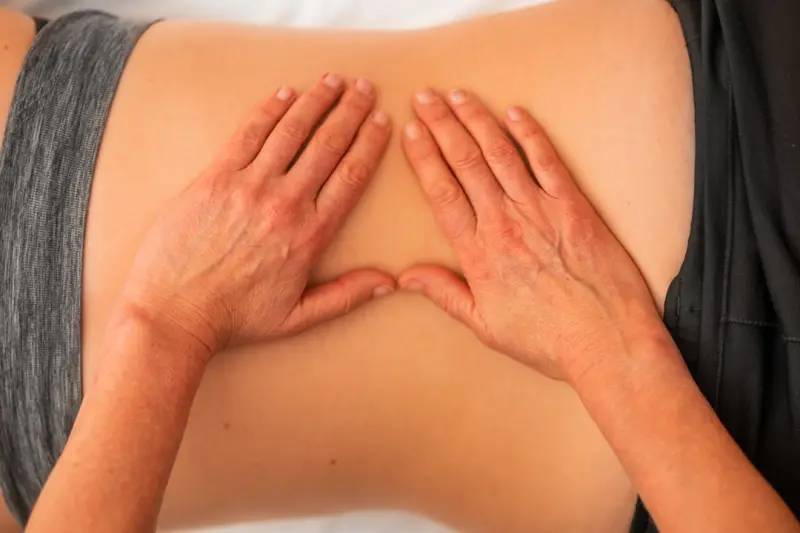
The Healing Power of Touch: Baby Massage for Healthier Development
A comprehensive guide to baby massage, detailing its scientific benefits for sleep, digestion, immun... Read More

How Parental Voice and Rhythm Can Supercharge Infant Brain Health
Discover the science behind using parental voice, rhythmic breathing, and music to enhance infant br... Read More
The Intersection of Infant Health and Preventive Care: A Comprehensive Approach
The early years of a child's life are crucial in shaping their future wellbeing. A comprehensive app... Read More
Top Posts

Unlocking Brain Resilience: The Power of Everyday Creative Practices
Discover how everyday creative activities—like doodling, cooking experiments, and rhythm play—strengthen neuroplasticity, lower stress, and enhance brain re...Read More

Beyond the Feed: How Digital Algorithms Influence Eating Disorders
A personal dive into how algorithm‑driven feeds fuel disordered eating, with practical tips to break the cycle and harness technology for recovery....Read More

When the Night Feels Like a Boardroom: Sleep Terrors and Workday Performance
Sleep terrors can silently undermine focus, emotional stability, and energy at work. This post uncovers the hidden costs and offers practical, data‑driven tac...Read More

Vape Lounges as Modern Commons: Rethinking Social Interaction in a Cloudy World
Vape lounges are transforming from solitary nicotine spots into vibrant community hubs, where design, shared rituals, and sustainable practices foster creativit...Read More
0 Comments
Post Comment
You will need to Login or Register to comment on this post!