
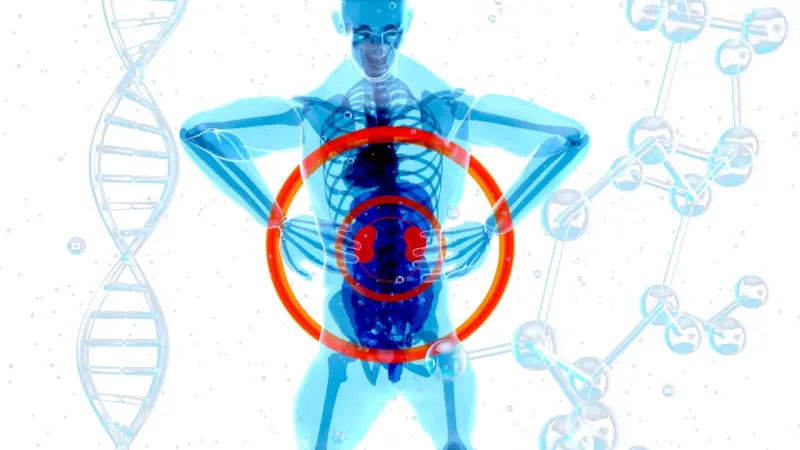
Autoimmune disease feels like living in a house where the thermostat, the lights, and even the lock on the front door have decided to work on their own terms. One day you’re comfortably warm, the next you’re shivering in an unexpected fever. The immune system, designed to protect us, suddenly turns into a mischievous roommate that rearranges furniture without asking. In my years of navigating this chaotic cohabitation, I’ve learned that the key to reclaiming control isn’t just in the pills or the appointments—it’s in the stories we tell ourselves, the data we collect, and the communities we build around that data.
Why the Narrative Matters More Than the Diagnosis
When I was first diagnosed with an autoimmune condition, the medical report read like a cryptic novel: “Systemic lupus erythematosus, stage III, with renal involvement.” I was handed a label and sent home with a list of labs, a prescription pad, and a vague suggestion to “manage stress.” That was the beginning of my realization that the clinical label is only a starting point. The lived experience—the fatigue that hits you at 2 pm, the skin that flares after a sunny afternoon, the emotional roller coaster of unpredictable symptoms—is where the real story unfolds.
By turning the experience into a narrative, you give it shape. You shift from “I have a disease” to “I am navigating a complex, ever‑changing system.” This reframing isn’t just poetic; it’s practical. When you can articulate the pattern of a flare—what you ate, how much you slept, the stress level of the day—you create a roadmap that can be shared with clinicians, friends, and even algorithms. It becomes a language that bridges the gap between the subjective sensations and the objective data that doctors rely on.
The Power of Personal Data: Turning Symptoms into Signals
In the age of wearables and health apps, we have unprecedented access to our own physiological data. I started logging everything: sleep duration, heart rate variability, food intake, mood, and even the humidity levels in my apartment. At first, the spreadsheet looked like a mess of numbers, but patterns emerged. For instance, a consistent dip in heart rate variability (HRV) three days before a joint pain flare gave me a predictive cue. I could then pre‑emptively adjust my activity level, hydration, and supplement regimen.
This personal data loop mirrors what many tech‑savvy patients call “biohacking”—not in the sense of reckless experimentation, but in the disciplined, iterative testing of lifestyle variables against measurable outcomes. The process is akin to running small, controlled experiments:
- Hypothesis: Increased magnesium intake reduces nightly muscle cramps.
- Method: Add 300 mg magnesium glycinate daily for two weeks.
- Metric: Track frequency and intensity of cramps using a 1‑10 scale.
- Result: A 60% reduction in average pain scores.
When you have this empirical evidence, you can approach your physician not with a vague complaint but with a data‑backed request: “I’ve observed that magnesium consistently improves my nocturnal symptoms; could we explore a tailored supplement plan?” This turns the conversation from a one‑sided lecture to a collaborative investigation.
Digital Tools: From Passive Tracking to Active Management
While spreadsheets are powerful, they can be cumbersome. That’s where modern digital health platforms step in, turning raw data into actionable insights. Tools that integrate wearables, symptom diaries, and medication reminders can flag potential flare triggers before they become debilitating. One such platform I’ve been using employs machine‑learning algorithms to weigh the influence of each variable—sleep, stress, diet, environmental factors—and generates a “flare risk score” each morning.
These platforms don’t replace your doctor; they amplify your voice in the clinical encounter. By presenting a concise risk score and the underlying contributors, you can make the consultation more focused and productive. It also empowers you to prioritize self‑care actions that have the highest impact, rather than trying to tackle every possible factor at once.
For a deeper dive into how technology is reshaping patient‑centered care, check out digital health tools that are extending beyond physiotherapy into chronic disease management.
Community Storytelling: The Unseen Treatment Modality
Isolation is a silent symptom of many autoimmune conditions. When you can’t predict how you’ll feel tomorrow, social plans become risky, and the fear of being a burden can lead you to withdraw. Yet, paradoxically, sharing your story can be therapeutic. Online forums, patient advocacy groups, and even local meet‑ups provide a space where you can trade data points, coping strategies, and emotional support.
One community I joined runs a “flair‑mapping” initiative where members submit weekly heatmaps of symptom intensity across the body. Over time, the aggregated data reveals common hotspots for specific conditions, guiding both patients and researchers toward more targeted interventions. It’s a form of crowdsourced research that respects lived experience as a legitimate data source.
The act of narrating your experience also helps you process it. Writing about a particularly tough week, then revisiting that entry months later, can highlight resilience and progress that you might otherwise overlook. It’s a low‑cost, high‑return practice that complements medical treatment.
Reframing Insurance: Turning “Coverage” into a Strategic Asset
Autoimmune disease management often involves a mosaic of specialists, labs, imaging, and sometimes experimental therapies. Navigating insurance can feel like deciphering an ancient code. Yet, when you view your insurance as a strategic resource rather than a bureaucratic hurdle, you unlock hidden value. By understanding the nuances of your plan—what’s covered under “preventive care,” which specialists fall under the in‑network tier, and how to leverage health savings accounts—you can reduce out‑of‑pocket expenses dramatically.
For example, many plans now cover remote monitoring devices when prescribed by a physician. If you have a validated wearable that tracks HRV or sleep stages, you can submit a prior authorization request, citing its role in proactive disease management. Similarly, telehealth visits, once considered a novelty, are now reimbursed at parity with in‑person appointments for many chronic conditions, including autoimmune disorders.
Learning the language of insurance—terms like “medical necessity,” “pre‑authorization,” and “tiered formularies”—allows you to advocate effectively for coverage of innovative tools. A helpful guide on turning this complexity into advantage can be found in maximizing your health insurance benefits.
Integrating Narrative Medicine Into Autoimmune Care
While narrative medicine is often discussed in the context of oncology, its principles apply seamlessly to autoimmune disease. The core idea is that clinicians listen deeply to patients’ stories, extracting meaning that pure lab values can’t convey. When I first shared my daily symptom journal with my rheumatologist, the conversation shifted. He could see the correlation between my stress levels and flare frequency, prompting a referral to a behavioral health specialist for stress‑management techniques tailored to chronic inflammation.
This collaborative storytelling creates a therapeutic alliance where both parties feel heard and respected. It also encourages clinicians to view patients as partners in the diagnostic process, which can lead to more personalized treatment plans—such as adjusting medication timing to align with circadian rhythms, a concept gaining traction in immunology research.
Practical Steps to Build Your Autoimmune Toolkit
Below is a checklist you can start using today. It blends data collection, community engagement, and strategic resource use:
- Start a Symptom Diary: Use a simple app or notebook to log daily symptoms, sleep, mood, diet, and environmental exposures.
- Integrate Wearables: Track HRV, heart rate, and sleep stages to identify early warning signs.
- Leverage Digital Platforms: Choose a health app that offers flare risk scoring and medication reminders.
- Engage with Communities: Join at least one online forum or local support group focused on your specific condition.
- Explore Insurance Benefits: Review your plan for coverage of remote monitoring, telehealth, and preventive services.
- Practice Narrative Medicine: Write a weekly summary of your experience to share with your care team.
- Iterate and Experiment: Test one lifestyle change at a time (e.g., adding magnesium, adjusting sleep schedule) and monitor outcomes.
Remember, the goal isn’t to become a medical researcher overnight but to become an informed partner in your own care. By harnessing the power of story, data, and community, you can tilt the balance back toward health.
Looking Ahead: The Future of Autoimmune Management
The landscape is shifting. Researchers are exploring the microbiome’s role in autoimmunity, while biotech firms develop precision‑targeted biologics that aim to modulate specific immune pathways without broad immunosuppression. Meanwhile, artificial intelligence is learning to predict flares from multi‑modal data streams—combining genetics, biomarkers, and lifestyle inputs.
For patients, this means a future where the “one‑size‑fits‑all” prescription becomes a relic. Instead, we’ll see personalized therapeutic regimens that adapt in real time, guided by the very data we’re already collecting. The groundwork we lay today—through diligent tracking, community sharing, and strategic use of resources—will be the foundation upon which these next‑generation solutions are built.
Living with an autoimmune disease will always involve uncertainty. But by turning the uncertainty into a structured experiment, by sharing our narratives, and by leveraging the tools at our disposal, we can transform chaos into a manageable, even empowering, journey.

Brody Lambert is an emerging freelance writer whose fresh voice and thoughtful approach are quickly making their mark. As a fairly new entrant in the world of freelance writing, Brody brings a blend of curiosity and dedication that fuels every project, crafting stories and content that resonate with authenticity and clarity.
Related Posts
Navigating Autoimmune Health: A Personal Blueprint for Everyday Resilience
Explore a unique, lived‑experience guide that blends environmental epigenetics, gut‑soil connect... Read More
Decoding Autoimmune Disease for High‑Performance Professionals
A comprehensive guide for executives on recognizing, monitoring, and managing autoimmune disease to ... Read More
When Data Meets the Immune System: Real‑Time Tracking Redefines Autoimmune Care
A deep dive into how real‑time data, wearable tech, and community sharing are giving autoimmune pa... Read More
Top Posts

Designing the Perfect Sensory Workout Zone
Learn how to turn your workout environment into a powerful training partner by adjusting light, sound, scent, temperature, and texture, unlocking higher focus, ...Read More

Unlocking Sustainable Testosterone: Lifestyle Strategies Men Can Actually Stick To
A comprehensive guide explores natural, everyday tactics—nutrition, movement, sunlight, stress reduction, and sleep—that help men sustain healthy testostero...Read More

Building a Sustainable Mental Fitness Ecosystem
Discover a step‑by‑step mental‑fitness ecosystem that blends micro‑habits, macro‑practices, and community accountability to create lasting emotional r...Read More
Reclaiming Cultural Food Stories to Heal Eating Disorders
Discover a fresh healing path: using cultural food stories, rituals, and community kitchens to rebuild a positive relationship with eating and identity....Read More
0 Comments
Post Comment
You will need to Login or Register to comment on this post!