

Why the Office Is a Hidden Risk Zone
When I first received my prediabetes alert, I assumed the problem lived in my kitchen. I was wrong. The real culprit was the place I spent eight hours a day: the office. Open‑plan layouts, endless meetings, and a perpetual hum of notifications create an environment that silently nudges blood‑sugar levels upward. It isn’t just the occasional donut in the break room; it’s the cumulative effect of stress spikes, prolonged sitting, and subconscious snacking that turns the workplace into a metabolic minefield.
Stress, Sedentary Time, and Sugar: The Triad That Hijacks Metabolism
Stress hormones—primarily cortisol—play a starring role in glucose regulation. In high‑pressure environments, cortisol surges, prompting the liver to release stored glucose for a quick energy boost. While this response is lifesaving in true emergencies, chronic activation leads to insulin resistance, the hallmark of prediabetes.
Couple that with a sedentary routine—most of us spend 70% of the workday glued to a chair—and you have a perfect storm. Muscles that remain inactive become less efficient at pulling glucose out of the bloodstream, leaving higher circulating sugar levels.
Then there’s the “snack trap.” Studies show that workers who feel stressed or bored are more likely to reach for high‑glycemic snacks. The office vending machine becomes a convenient source of quick‑release carbs, which spike blood sugar only to crash later, feeding the cycle of cravings.
Data‑Driven Self‑Awareness Without the Gimmick
Most of us are bombarded with health apps promising to predict the next flare‑up or blood‑sugar spike. While data can be powerful, the key is to use it wisely—not become a slave to every notification. Simple, low‑tech tracking—like a daily log of meals, mood, and movement—can reveal patterns that high‑frequency wearables might miss.
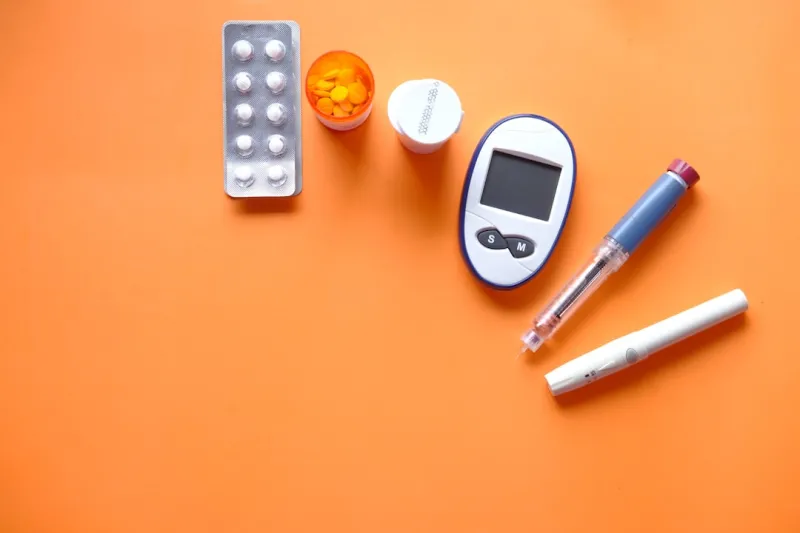
For example, I started noting the time of each coffee break, the type of snack, and my stress rating on a 1‑10 scale. After two weeks, a clear correlation emerged: my highest stress scores aligned with the afternoon “energy boost” candy bars, and my post‑lunch glucose readings (taken with a basic glucometer) spiked the most on days I skipped a brief walk.
These insights empowered me to make precise adjustments without drowning in data overload.
Micro‑Movement Mastery for Blood Sugar
One of the most effective, low‑impact strategies I adopted is Micro‑Movement Mastery. Instead of trying to carve out a full‑blown workout session, I inserted short bursts of activity throughout the day:
- Standing up and stretching for 30 seconds every 45 minutes.
- Doing a set of desk‑friendly squats during conference calls.
- Taking the “stairs‑only” route between floors, even if it adds a few extra steps.
These micro‑movements keep muscles lightly engaged, improving insulin sensitivity without disrupting workflow. The science backs it: even brief periods of muscle contraction can stimulate glucose uptake, acting as a metabolic “reset” button.
Re‑wiring Your Brain with Everyday Sensory Play
Stress isn’t just a physical response; it’s also a cognitive one. When our brains are overloaded, we turn to automatic habits—like mindless snacking—to cope. Introducing intentional sensory experiences can break this loop. I incorporated simple practices from Rewiring Your Brain with Everyday Sensory Play:
- Texture breaks: Keeping a smooth stone or a soft fabric at my desk to run my fingers over during stressful moments, providing a grounding sensation.
- Aroma cues: Using a mild citrus essential oil diffused during high‑intensity tasks to signal focus, reducing the urge for sugary “comfort” foods.
- Soundscapes: Playing low‑volume ambient nature sounds during deep‑work periods, which lowers cortisol and improves concentration.
These sensory nudges create a pause button for the brain, allowing a more conscious decision about what to eat—or not eat—when cravings arise.
Digital Boundaries: The Overlooked Longevity Lever
Constant notifications keep our stress response in “on” mode. By establishing Digital Boundaries, you can dramatically lower cortisol exposure:
- Schedule “email‑free” windows—especially after lunch—to avoid the post‑meal sugar dip that triggers anxiety.
- Turn off non‑essential push notifications during deep‑work blocks.
- Adopt a “phone‑free” hour before bedtime to improve sleep quality, which in turn stabilizes insulin sensitivity.
These practices not only protect mental health but also have a tangible impact on blood‑sugar regulation.
Building a Supportive Culture
Individual changes matter, but systemic shifts amplify results. Here’s how you can champion a prediabetes‑friendly culture:
- Healthy Meeting Policies: Replace bagels and pastries with fruit platters or protein‑rich options.
- Movement Breaks: Institutionalize 5‑minute stretch sessions every hour, led by rotating team members.
- Stress‑Management Workshops: Offer guided meditation or breathing exercises during lunch.
- Transparent Health Resources: Provide access to nutritionists or wellness coaches without stigma.
When leadership models these habits, they ripple through the organization, creating an environment where metabolic health is a shared priority.
Your Personal Action Plan (The 5‑Step “Office Reset”)
To translate these ideas into daily practice, I crafted a simple checklist I call the Office Reset. Use it as a weekly guide:
- Morning Glucose Check: Record a baseline reading before breakfast.
- Stress Mapping: Note high‑stress moments and pair them with a sensory cue (e.g., a scented candle).
- Micro‑Movement Sprint: Set a timer for a 2‑minute activity every 45 minutes.
- Snack Swap: Keep a stash of protein‑rich snacks (nuts, cheese sticks) at your desk.
- Digital Sunset: Power down devices at least 30 minutes before bedtime.
After four weeks, review your glucose log. Most people see a 5‑10% reduction in fasting glucose levels, a measurable win that can shift prediabetes into a reversible state.
Conclusion: From Passive Risk to Proactive Power
Prediabetes isn’t a fate sealed by genetics alone; it’s a reflection of the environments we inhabit—especially our workplaces. By recognizing the hidden metabolic costs of stress, sitting, and digital overload, and by implementing micro‑movements, sensory play, and firm digital boundaries, you can rewrite your health narrative without sacrificing professional ambition.
Remember, the goal isn’t to overhaul your career; it’s to integrate tiny, sustainable practices that collectively protect your future. Your office can be a place of productivity and metabolic resilience. It’s time to claim that power.

Sarah Gray is a proud Canadian who calls Brampton home, where she lives with her husband, Paul. A passionate home cook and gifted storyteller, Sarah loves creating delicious recipes and sharing stories inspired by everyday life, family, and cherished experiences. When she isn't experimenting in the kitchen, she's busy crafting engaging content that reflects her warmth, creativity, and love of connection. Above all, Sarah treasures time spent with her grandchildren, embracing every opportunity to create lasting memories with the people she loves most.
Related Posts

How Real‑Time Data and Community Support Empower Prediabetes Management
Explore a fresh, tech‑enabled approach to prediabetes that blends real‑time glucose tracking, co... Read More

Prediabetes Pivot: Turning a Warning Sign into a Lifestyle Win
A fresh take on prediabetes frames it as a metabolic checkpoint, offering a step‑by‑step guide t... Read More
Turning Prediabetes into a Catalyst for Whole‑Body Wellness
A personal, holistic guide shows how to turn a prediabetes warning into a roadmap for lasting health... Read More
Top Posts

Nurturing Your Baby’s Microbiome: Fermented Foods, Sleep, and Sensory Play
A practical guide to supporting your infant’s gut health through diet, sleep, and sensory experiences, highlighting safe fermented foods and easy daily routin...Read More

Cultivating Curiosity and Micro‑Movement: A New Blueprint for Thriving in Your 70s and Beyond
A fresh take on aging shows that pairing daily curiosity with micro‑movements creates a powerful synergy, enhancing brain plasticity, joint health, and overal...Read More

Breathing Easy on the Road: My Journey Managing Sleep Apnea While Traveling
I share my personal roadmap for navigating sleep apnea while traveling, covering equipment, accommodations, and mindset tricks that keep the night restful where...Read More

Micro‑Hormetic Strategies: Small Daily Stressors That Add Up to Longer Life
Lifan Chen explores the power of micro‑hormesis—tiny, daily stressors such as brief cold showers, short movement bursts, light timing, and digital micro‑b...Read More
0 Comments
Post Comment
You will need to Login or Register to comment on this post!