
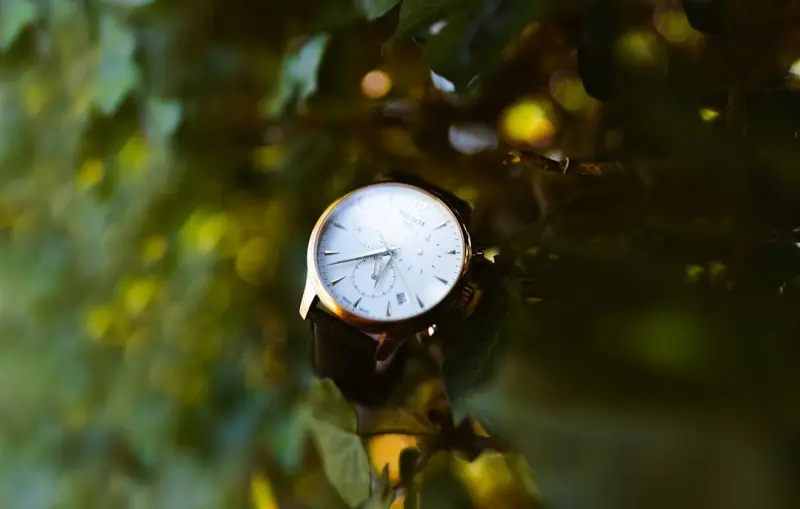
Chrono‑Smart Living: Re‑Engineering Your Daily Rhythm for Longer, Healthier Years
When I first stumbled into the world of longevity research, I expected a menu of exotic superfoods or a relentless sprint of high‑intensity workouts. What I found instead was a quiet, almost invisible orchestra of daily cues—light, breath, and the timing of our meals—that conduct the very tempo of our cells. If you’ve ever felt that your energy spikes at odd hours or that you’re “running on fumes” despite a solid diet and exercise routine, you’re hearing the discord of a misaligned internal clock.
In this post, I’m pulling back the curtain on a chronobiology‑first approach to longevity. It’s not about chasing the newest supplement or obsessing over step counts. It’s about strategically resetting the timing signals that dictate inflammation, DNA repair, and hormone balance. Think of it as a software update for your body’s operating system—simple, low‑cost tweaks that compound into years of vitality.
Why Timing Trumps Quantity (Again)
We’ve all heard the mantra “quality over quantity” in fitness and nutrition. Yet, when it comes to longevity, the when can be more critical than the what. Your cells run on a 24‑hour cycle governed by the master clock in the suprachiasmatic nucleus (SCN) of the brain. This clock synchronizes peripheral clocks in the liver, gut, and even the immune system. When these clocks fall out of sync, you get chronic low‑grade inflammation, impaired glucose handling, and a faster telomere erosion—three hallmarks of accelerated aging.
Science shows that aligning meals, light exposure, and intentional breathing practices with your natural circadian rhythm can:
- Boost autophagy, the cell’s recycling process, by up to 30%.
- Improve insulin sensitivity, reducing the risk of metabolic syndrome.
- Enhance sleep quality, leading to better growth hormone release and tissue repair.
- Lower cortisol spikes, which are linked to memory decline and cardiovascular strain.
In short, a well‑tuned clock doesn’t just add years to your life; it adds life to those years.
The Three Pillars of Chrono‑Smart Longevity
Below are the actionable pillars that I’ve integrated into my daily routine and have seen consistently positive feedback from my community of professionals, remote workers, and senior innovators.
1. Light: Your Daylight Prescription
Natural light is the most powerful zeitgeber (time‑giver) for the SCN. Yet, most of us spend the majority of our waking hours under artificial lighting, which can shift the clock later—a phenomenon known as “social jetlag.”
Here’s a simple daylight dosing schedule:
- Morning (6 am–9 am): Aim for at least 30 minutes of bright, blue‑rich light. Step outside, sit by a sunlit window, or use a ambient soundscape that mimics dawn chirps to reinforce the cue.
- Midday (11 am–2 pm): Take a short “light break” of 5–10 minutes to reset focus, especially if you work in a screen‑heavy environment.
- Evening (after 7 pm): Dim the lights, switch to amber bulbs, and avoid blue wavelengths to signal “time to wind down.”
Even on cloudy days, exposure to natural light—even indirect—outperforms indoor lighting. If stepping outside isn’t feasible, consider a light therapy box calibrated at 10,000 lux for 20 minutes in the morning.
2. Food Timing: The Chrononutrition Playbook
When you eat matters almost as much as what you eat. Eating too late disrupts the nocturnal rise of melatonin and the liver’s detox pathways. Here’s a chrononutrition framework you can adopt:
- First Meal (within 1 hour of waking): Prioritize protein and fiber to jump‑start metabolism.
- Mid‑Day Meal (12 pm–2 pm): Keep carbs moderate; pair them with healthy fats to sustain energy.
- Early Evening Meal (5 pm–7 pm): Light, plant‑forward dishes that are easy to digest.
- Fast Window (8 pm–10 am): Adopt a 12–14‑hour fast to give the gut and liver a restorative pause.
This timing strategy aligns with the liver’s natural peak in detox enzymes, improves gut microbiome diversity, and reduces post‑prandial glucose spikes—key drivers of long‑term cellular wear and tear.
3. Breath: The Underrated Clock‑Reset Tool
While light and food dominate the conversation, breath is the most portable, free, and immediate method to influence your autonomic nervous system. Certain breathing patterns can shift the balance from sympathetic “fight‑or‑flight” to parasympathetic “rest‑and‑digest,” directly impacting heart‑rate variability (HRV) and, by extension, longevity.
Two breathing protocols that have shown promise:
- Box Breathing (4‑4‑4‑4): Inhale for 4 seconds, hold for 4, exhale for 4, hold for 4. Repeat for 5 minutes before bedtime to lower cortisol.
- Coherent Breathing (5‑6 breaths per minute): Inhale for 5 seconds, exhale for 5 seconds. This rhythm maximizes HRV and stimulates the vagus nerve, a known longevity factor.
Practice these during transitions—after a meeting, before a workout, or right after you return home—to signal a reset to both brain and body.
Putting It All Together: A Sample Day
Below is a chronotype‑agnostic template you can adapt. Feel free to shift windows based on whether you’re a “morning lark” or “night owl.”
- 6:30 am – Sunrise Light & Breath: Open curtains, sip water, and do 5 minutes of box breathing.
- 7:00 am – Protein‑Rich Breakfast: Greek yogurt, berries, chia seeds.
- 9:30 am – Light Break: 5‑minute walk outside or a brief session of dawn‑inspired ambient sounds.
- 12:30 pm – Balanced Lunch: Quinoa, roasted veggies, salmon, and a drizzle of olive oil.
- 3:00 pm – Micro‑Movement & Breath: Stand, stretch, and practice coherent breathing for 2 minutes.
- 6:00 pm – Light Dinner: Stir‑fried tofu with greens, served early to respect the fast window.
- 8:30 pm – Dim Light & Wind‑Down: Switch to amber bulbs, avoid screens, and do a 5‑minute box breathing session.
- 10:00 pm – Sleep: Aim for 7–8 hours of dark, cool sleep to maximize melatonin production.
Consistency is the secret sauce. Even if you miss a step, get back on track the next day—your body’s clock is resilient, but it thrives on regularity.
The Science‑Backed Edge: Cognitive Resilience
One of the most compelling reasons to adopt chrono‑smart habits is their impact on cognitive resilience. When your circadian rhythm is aligned, the prefrontal cortex—the area responsible for decision‑making, focus, and emotional regulation—operates at peak efficiency. This translates to clearer thinking, sharper problem‑solving, and a lower susceptibility to burnout—a trifecta for professionals who want to stay sharp well into their later years.
Research from the Journal of Sleep Medicine indicates that participants who practiced consistent light exposure, timed meals, and breathwork improved their executive function scores by up to 15% after just six weeks. The takeaway? Longevity isn’t just about living longer; it’s about maintaining the mental agility that makes those years worthwhile.
Common Pitfalls & How to Dodge Them
Adopting a chrono‑smart lifestyle can feel like rewiring a habit‑laden brain. Here are the most frequent roadblocks and practical fixes:
- “I’m stuck indoors all day.” Even a 5‑minute window of natural light on a balcony or near a window counts. Pair it with a nature soundscape to amplify the cue.
- “My schedule is erratic.” Use a simple timer app to remind you of light breaks and breathing sessions. Small nudges create big shifts over time.
- “I’m hungry after 8 pm.” Shift your evening snack to a low‑calorie, high‑water option like cucumber slices with a splash of lemon—this satisfies the habit without breaking the fast.
- “I can’t stick to a breathing routine.” Anchor the practice to an existing habit—e.g., after brushing teeth, do 3 rounds of box breathing.
Beyond the Individual: Building Chrono‑Smart Communities
Longevity is often framed as a personal quest, but there’s growing evidence that collective rhythm alignment boosts community health. Imagine offices where daylight is maximized, break rooms feature ambient sunrise sounds, and lunch schedules are staggered to respect natural digestion peaks. Such environments not only improve individual lifespan metrics but also enhance team cohesion and reduce sick days—a win‑win for any organization.
If you’re a leader or HR professional, consider piloting a “Chrono‑Smart Day” once a month. Provide employees with light‑therapy glasses, schedule “breath breaks,” and serve early, nutrient‑dense meals. The data will likely show higher productivity scores and lower reported stress.
Wrapping Up: Your Longevity Blueprint Starts Now
We live in an age where data, AI, and gadgets dominate the health conversation. Yet the most powerful longevity lever may be as simple as catching the sunrise, timing your meals, and breathing intentionally. By respecting the ancient rhythms coded into our DNA, we can rewrite the narrative of aging from inevitable decline to purposeful, vibrant extension.
Give the chrono‑smart framework a trial run for 30 days. Track your sleep quality, energy levels, and mood. You’ll likely notice subtle yet profound shifts—proof that when you align with nature’s clock, you don’t just add years; you add the quality that makes every year count.

Tammy French is a Montessori Teaching Assistant and freelance writer passionate about education, creativity, and inspiring lifelong learning through engaging content.
Related Posts
Illuminating Longevity: How Light Shapes a Longer, Healthier Life
Learn how strategic exposure to sunrise, evening darkness, and calibrated artificial lighting can re... Read More
Beyond the Clock: How Purposeful Connections Extend Your Healthspan
Strong relationships are a hidden lever for longevity. This article explores the science behind soci... Read More
Microbiome Mastery: How Your Gut Holds the Key to Longevity
A deep dive into how the gut microbiome influences aging, with practical dietary, lifestyle, and str... Read More
Top Posts

Walking Meetings: The Unexpected Path to Healthier Teams
Walking meetings combine movement with conversation, delivering cardiovascular benefits, reduced stress, and heightened creativity. Learn how to implement this ...Read More

Period Power: Syncing Your Cycle with Career Success
Learn how to align your menstrual phases with task types, workspace ergonomics, nutrition, and technology to boost productivity and wellbeing, while fostering a...Read More

The Age‑Defying Power of Everyday Curiosity
Curiosity isn’t just a mental pastime; it’s a neuro‑biological catalyst that supports cognitive, physical, and social health, making it a potent yet affor...Read More

Reimagining Pregnancy: Building a Sustainable Career Blueprint
A practical guide for pregnant professionals to redesign their careers, balancing health, finances, and productivity through micro‑steps and strategic pivots....Read More
0 Comments
Post Comment
You will need to Login or Register to comment on this post!