
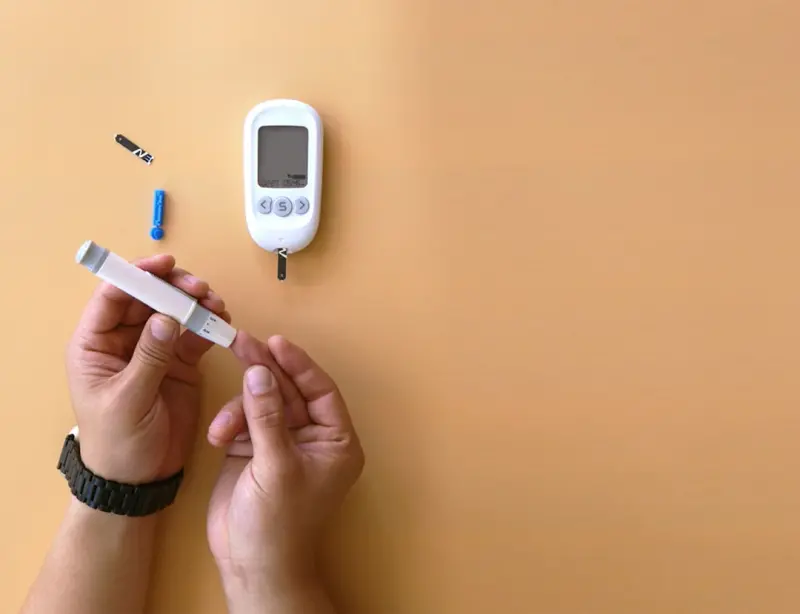
When Blood Sugar Meets Decision Fatigue: A Practical Blueprint for Cognitive‑Metabolic Harmony
Imagine you’re halfway through a marathon of back‑to‑back meetings, your inbox is buzzing, and you’ve just skipped lunch because the next call starts in five minutes. Your brain is firing on all cylinders, but your pancreas is silently pleading for a break. This is the hidden crossroads where decision fatigue collides with glucose regulation, and it’s a space most of us never even realize we occupy.
In my years of navigating the chaotic intersection of corporate leadership and personal health, I’ve learned that managing blood sugar isn’t just about what you eat—it’s about how you think, how you structure your day, and how you respond to the invisible stressors that hijack your metabolism. Below is a step‑by‑step framework that blends neuroscience, behavioral economics, and a dash of low‑tech bio‑hacking to keep your glucose levels steady while your mind stays sharp.
1. The Science of Decision Fatigue and Glucose
Every time you make a choice—whether it’s selecting a protein‑rich snack or deciding which spreadsheet to prioritize—your brain consumes glucose. The prefrontal cortex, the hub of executive function, is a high‑energy organ. When it runs low on fuel, two things happen:
- Impulse spikes: You gravitate toward quick, sugary fixes that promise an instant energy boost.
- Hormonal ripple effects: Stress hormones like cortisol surge, prompting the liver to release stored glucose, which can overshoot optimal blood sugar ranges.
Research shows that prolonged decision‑making without adequate glucose can impair self‑control, making it harder to stick to dietary goals. In other words, the more “mental work” you do, the more likely you are to sabotage your metabolic health.
2. Re‑engineer Your Environment to Reduce “Choice Overload”
One of the most effective ways to protect your blood sugar is to remove the need for low‑effort decisions. This isn’t about outsourcing your life; it’s about strategic simplification.
- Meal‑prep “stations”: Design a dedicated fridge zone stocked with balanced options—think lean protein, fiber‑rich veggies, and healthy fats. When you’re hungry, you don’t have to scan a grocery list; the right choice is already front and center.
- Uniform snack containers: Keep a set of identical containers filled with pre‑portioned nuts, seeds, and a small portion of berries. The visual uniformity removes the mental debate of “should I have a cookie or an apple?”
- Digital “decision caps”: Use a timer or app to limit the amount of time you spend on low‑impact decisions (e.g., email triage). When the timer rings, you move on, conserving cognitive glucose for higher‑order tasks.
3. Synchronize Meal Timing with Your Circadian Rhythm
The body’s internal clock governs insulin sensitivity, with peak efficiency in the morning and a gradual decline toward evening. Aligning your eating window with this rhythm can blunt post‑prandial spikes.
Consider a time‑restricted eating (TRE) schedule that starts with your first meal within two hours of waking and ends before 7 p.m. This window respects the natural dip in insulin sensitivity after dark, helping you avoid the “late‑night snack” trap that often spikes glucose and disrupts sleep.
4. Leverage Breathwork and Light Movement to Stabilize Glucose
Short, intentional breathing cycles can activate the parasympathetic nervous system, lowering cortisol and, indirectly, glucose output from the liver. Pair this with micro‑movements—standing stretches, calf raises, or a quick walk to the water cooler—every 90 minutes to reset both mental and metabolic states.
While breathwork is often championed for stress relief, its metabolic impact is underappreciated. A simple 4‑7‑8 pattern (inhale 4 seconds, hold 7, exhale 8) performed three times can lower blood glucose by up to 5 % in sensitive individuals, according to emerging clinical observations.
5. Harness the Power of the Gut‑Brain Axis
Our gut microbiota plays a pivotal role in glucose metabolism. Certain bacterial strains enhance short‑chain fatty acid production, which improves insulin sensitivity. If you’ve ever wondered how to nurture these allies, start with a fiber‑rich diet and consider fermented foods.
For a deeper dive into how the gut influences longevity and metabolic health, check out Microbiome Mastery: How Your Gut Holds the Key to Longevity. The article outlines practical steps—like rotating prebiotic sources and timing probiotic intake—to keep your microbial community in optimal shape for blood sugar regulation.
6. Cold Exposure: A Surprising Ally for Glucose Control
Cold exposure isn’t just a trendy wellness hack; it activates brown adipose tissue (BAT), which burns glucose to generate heat. Even a brief 2‑minute cold shower can stimulate BAT activity, leading to improved insulin sensitivity over time.
Explore the science and practical implementation of this technique in Cold Exposure Therapy: A Practical Path to Metabolic and Mental Resilience. The piece offers a step‑by‑step guide to safely integrate cold exposure into a busy schedule without sacrificing comfort.
7. Build “Glucose Buffers” Through Strategic Protein Pairings
Pairing carbohydrates with protein and healthy fats creates a slower, more controlled release of glucose into the bloodstream. This concept, often called a “glucose buffer,” can be applied to any meal:
- Breakfast: Greek yogurt (protein) + berries (carbs) + chia seeds (fat).
- Lunch: Quinoa salad (complex carbs) + grilled salmon (protein & omega‑3) + avocado (fat).
- Dinner: Stir‑fried tofu (protein) + broccoli (fiber) + a drizzle of sesame oil (fat).
By consistently using buffers, you minimize the peaks and valleys that fuel cravings and mental fog.
8. Use Real‑Time Glucose Feedback (If Available) Wisely
Continuous glucose monitors (CGMs) are no longer exclusive to diabetic patients. For high‑performers, a CGM can provide immediate feedback on how meals, stress, and activity affect glucose dynamics. The key is to interpret data as a learning tool, not an obsession.
Set alerts for glucose excursions above 140 mg/dL (post‑prandial) or below 70 mg/dL (fasting). When alerts trigger, note the contextual factors—what you ate, how you felt, what you were doing. Over weeks, patterns emerge, allowing you to fine‑tune meal composition and timing without trial‑and‑error guessing.
9. The “Decision Reset” Ritual
Every 3‑4 hours, schedule a 5‑minute “reset”:
- Hydrate: Drink 250 ml of water with a pinch of sea salt (electrolyte balance).
- Micro‑breath: Perform three rounds of 4‑7‑8 breathing.
- Move: Stand, stretch, or do a quick set of bodyweight squats.
- Assess: Quickly glance at your CGM (if you use one) or simply note how you feel.
This ritual interrupts the cascade of cortisol and glucose spikes that often accompany prolonged focus, resetting both mental clarity and metabolic stability.
10. Cultivate a “Metabolic Mindset”
Finally, adopt a mindset that views blood sugar management as an integral part of cognitive performance rather than a separate health goal. When you recognize that stable glucose fuels sharper decision‑making, you’re more likely to honor the habits that protect it.
Start each day with a simple affirmation: “My brain runs best on steady fuel. I will make choices that honor my metabolic health.” Over time, this mental framing becomes a self‑reinforcing loop—steady glucose improves focus, which in turn makes healthier choices easier.
Putting It All Together: A Sample Day
06:30 am – Wake‑up & Hydration
Drink a glass of water with a squeeze of lemon. Perform 4‑7‑8 breathing (3 rounds).
07:00 am – Breakfast Buffer
Greek yogurt, mixed berries, chia seeds, and a drizzle of almond butter.
08:30 am – Decision Reset #1
Stand, stretch, sip water, quick breath cycle.
12:00 pm – Lunch Buffer
Quinoa, grilled salmon, avocado, and roasted vegetables.
02:30 pm – Decision Reset #2 + Cold Splash
Cold water splash (2 min) followed by breathwork and a brief walk.
06:00 pm – Dinner Buffer
Stir‑fried tofu, broccoli, bell peppers, sesame oil, and a side of lentils.
08:00 pm – Evening Wind‑Down
Light reading, no screens, and a final 4‑7‑8 breathing session.
Following this structure for a week can reveal noticeable improvements in energy stability, reduced cravings, and sharper focus during high‑stakes meetings.
Conclusion: Turning Metabolic Insight into Executive Edge
Managing blood sugar isn’t a separate wellness silo; it’s a core performance lever. By reducing decision fatigue, aligning meals with circadian rhythms, and leveraging simple bio‑hacks like breathwork, gut health, and cold exposure, you can create a resilient metabolic foundation that fuels both body and mind. The next time you face a cascade of decisions, remember: the best answer may be to pause, breathe, and give your brain the glucose it deserves.

Lifan Chen is a freelancer based in Toronto specializing in marketing. With expertise in crafting effective marketing strategies and campaigns, Lifan helps businesses grow their brand presence and reach target audiences. As a Toronto-based freelancer, Lifan combines local market insights with creative marketing skills to deliver tailored solutions for clients.
Related Posts
Micro‑Habits to Master Blood Sugar Without Relying on Diet Trends
Learn how tiny daily actions—like strategic hydration, sensory cues, and cold exposure—can keep ... Read More
How to Keep Blood Sugar Steady While Juggling a High‑Tempo Remote Career
Discover a three‑pillar system—macro‑timing, real‑time data, and environmental tweaks—to m... Read More

The Hidden Power of Food Timing: Mastering Blood Sugar for Remote Teams
Discover why when you eat matters more than what you eat, with practical timing strategies, tech tip... Read More
Top Posts

The Hidden Struggle: Understanding Eating Disorders and Mental Health
Eating disorders are complex mental health conditions that require a comprehensive approach to treatment and recovery. Learn about the connection between eating...Read More

Fermented Foods: The Unsung Heroes of Modern Nutrition
Fermented foods like kimchi, kombucha, and miso offer hidden nutrients, probiotics, and enzymes that support digestion, immunity, and mental clarity—making th...Read More

When Nighttime Fear Becomes a Catalyst for Innovation
Sleep terrors can be transformed into a strategic asset. Learn how to capture, translate, and harness the raw energy of night‑time fear for innovation and per...Read More

Breathing New Life Into Men’s Health: The Untapped Power of Breathwork
A deep dive into how mastering breathwork can sharpen focus, lower cortisol, improve sleep, and support long‑term vitality for men, complete with a 30‑day s...Read More
0 Comments
Post Comment
You will need to Login or Register to comment on this post!