
When Family Feasts Turn Into a Metabolic Reset: Reclaiming Cultural Cuisine to Tame Prediabetes
Growing up, my grandma’s kitchen was a sanctuary of scent and story. The clatter of a rolling pin, the sizzle of onions hitting hot oil, the rhythmic patter of rice being stirred—each dish carried a piece of our heritage. Fast forward to today, and I’ve watched many of those same recipes become unintentional culprits in a rising tide of prediabetes. It’s a paradox that hits close to home: the foods that bind us together can also tip the scales of our health.
In this post, I’m stepping away from the usual tech‑driven or exercise‑centric narratives you see on the blog. Instead, I’m exploring how the cultural narratives around food—our celebrations, rituals, and everyday meals—can be reshaped to protect, not jeopardize, our glucose health. This isn’t about ditching your favorite recipes. It’s about honoring the stories they tell while giving them a metabolic makeover.
The Hidden Sugar in Tradition
When we talk about prediabetes, the conversation often centers on “sugar” as a singular villain. Yet, many traditional dishes are built on layers of complex carbs, hidden sweeteners, and cooking techniques that amplify the glycemic impact. Think of:
- Sticky rice desserts that rely on glutinous rice and palm sugar.
- Deep‑fried flatbreads that sit in oil for hours.
- Marinated meats glazed with honey or molasses.
These aren’t “bad” foods; they’re cultural cornerstones. The problem emerges when they become the default at every gathering, pushing our daily glucose budget beyond safe limits.
What is a Glucose Budget, Anyway?
If you’ve skimmed our earlier piece on Glucose Budgeting: A Fresh, Sustainable Way to Manage Blood Sugar, you know the premise: treat your daily carbohydrate intake like a financial budget. Allocate “spending” for meals, snacks, and even beverages. The goal isn’t restriction; it’s awareness. When you understand how a single serving of a beloved dish fits into your daily “calorie‑carb” allowance, you can make intentional swaps without feeling deprived.
Three Simple Shifts to Preserve Flavor—and Heritage
Below are three practical, culturally sensitive adjustments that keep the spirit of the dish alive while easing the glycemic load.
1. Swap the Grain, Not the Soul
Many heritage cuisines revolve around white rice, refined flour, or polished grains. Replacing a portion of these with lower‑glycemic alternatives can dramatically flatten post‑meal spikes.
- Brown or black rice instead of white rice adds fiber, which slows glucose absorption. The nutty flavor often complements traditional seasonings nicely.
- Whole‑grain flours (e.g., chickpea, spelt, or millet) can replace a part of the refined flour in flatbreads or pastries, preserving texture while boosting nutrient density.
- If you’re making fufu or similar starchy bases, try mixing in cauliflower mash for a 30‑40% reduction in carbs without sacrificing mouthfeel.
2. Re‑think Sweeteners, Not Sweetness
Sweetness is a cultural language. In many regions, palm sugar, jaggery, or honey is celebrated. The trick is to reduce the quantity and pair it with natural flavor enhancers.
- Use spices like cinnamon, cardamom, or nutmeg to amplify perceived sweetness. A pinch can make a dish feel richer while letting you cut the actual sugar.
- Incorporate fruit purées (e.g., ripe banana or unsweetened applesauce) to replace part of the added sugar in baked goods.
- When caramelizing onions or vegetables for a glaze, add a splash of vinegar or citrus juice to balance the sweetness, allowing you to use less sugar overall.
3. Master the Cooking Method
Heat is a silent influencer of the glycemic index. High‑heat, oil‑laden methods can push carbs into higher GI territory.
- Swap deep‑frying for oven‑roasting or air‑frying. The crust may be slightly different, but the flavor profile remains satisfying.
- Use steaming for dumplings or buns. Steamed dough retains softness without the need for added fats that can worsen insulin resistance.
- Introduce fermentation. Fermented batters (think dosa or idli) have lower GI values thanks to the breakdown of starches during the fermentation process.
Community as a Metabolic Ally
One of the most powerful tools against prediabetes is social accountability. When your family knows you’re experimenting with a healthier version of a classic, they often join in. I’ve witnessed entire households transition from sugar‑laden desserts to fruit‑infused parfaits, simply because the change was presented as a collective experiment rather than a solo restriction.
To make this work, try the following:
- Host a “Swap Night.” Invite friends over and ask each person to bring a healthier version of a beloved dish. Vote on the most delicious swap and share recipes.
- Create a family “Glucose Journal.” Record meals, portion sizes, and blood sugar responses (if you monitor them). Seeing data together demystifies the impact of each dish.
- Celebrate the Wins. When a new version receives praise, mark it with a small ritual—a toast, a song, or a shared story—so the positive association sticks.
Storytelling Meets Science: Reprogramming Your Metabolic Narrative
In the article Reprogramming Prediabetes: Small Shifts That Rewrite Your Metabolic Story, I highlighted the power of tiny, consistent changes. Think of your cultural cuisine as a story arc. By editing the plot (ingredients and methods) while preserving the characters (flavors and traditions), you rewrite a healthier ending without erasing the past.
Science backs this approach. Studies show that a modest 10–15% reduction in carbohydrate quality (e.g., swapping refined for whole grains) can improve insulin sensitivity in prediabetic individuals. Moreover, the act of cooking together boosts stress resilience, which itself mitigates glucose spikes. So you’re not just feeding the body—you’re nourishing the nervous system, too.
Practical Toolkit: Your First “Heritage Health” Meal
Ready to test the waters? Here’s a step‑by‑step guide to transform a classic comfort dish—chicken teriyaki with white rice—into a prediabetes‑friendly masterpiece.
- Grain Upgrade: Cook half the usual amount of white rice; replace the other half with quinoa or brown rice. Rinse quinoa thoroughly, then cook with a 1:2 ratio of water to grain.
- Sauce Revamp: Mix low‑sodium soy sauce with a splash of rice vinegar, a pinch of ginger, and half the amount of honey. Add a teaspoon of toasted sesame oil for depth.
- Protein Power: Marinate skinless chicken thighs in the sauce for 30 minutes, then grill instead of pan‑frying. Grilling reduces added fat while imparting a smoky flavor.
- Veggie Boost: Toss broccoli florets, bell pepper strips, and snap peas in a light drizzle of olive oil and roast at 400°F for 12 minutes. The veggies add fiber, vitamins, and crunch.
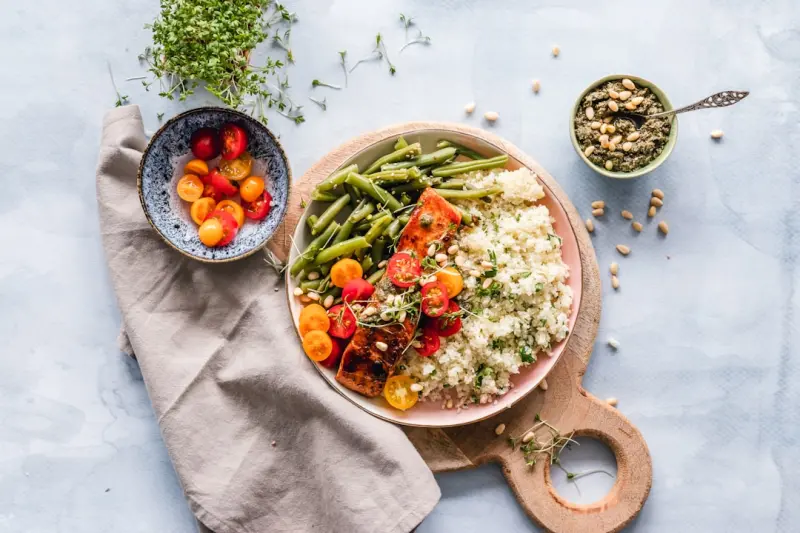
- Plate with Purpose: Assemble a bowl—quinoa‑brown rice mix at the base, grilled chicken sliced atop, roasted veggies on the side, and a drizzle of the reduced‑sugar teriyaki sauce. Garnish with sesame seeds and sliced scallions.
The result? A plate that looks and tastes familiar, but with a 35% lower glycemic impact and a boost of protein and fiber. Serve it at your next family dinner and watch the conversation flow—no one will even notice the subtle switch.
Mindful Eating: The Unsung Hero
Even the smartest ingredient swaps falter if you eat on autopilot. Mindful eating—savoring each bite, noticing textures, and paying attention to hunger cues—creates a feedback loop that helps regulate blood sugar. Practice these three tips during meals:
- Set a timer for 20 minutes. Aim to finish your plate within that window. Eating too quickly can lead to over‑consumption.
- Chew each bite 20–30 times. This slows the digestive process and gives your brain time to register fullness.
- Put down the fork between mouthfuls. This tiny pause allows you to assess taste, satisfaction, and whether you truly need another bite.
Technology as a Support, Not a Crutch
While this post focuses on cultural and communal strategies, there’s still room for tech. Continuous glucose monitors (CGMs) can provide real‑time data, turning the abstract concept of “blood sugar” into a visible story. Pair CGM insights with your family’s recipe journal to see which swaps truly make a difference.
Remember, the goal isn’t to turn every traditional dish into a low‑carb replica. It’s to create a balance where heritage and health coexist. When you celebrate the origins of a recipe while tweaking the execution, you honor both your ancestors and your future self.
Closing Thoughts: Food as Connection, Not Complication
Prediabetes often feels like a personal battle, but the reality is that it’s woven into the social fabric of our meals. By reframing our cultural cuisine through the lenses of glucose budgeting, mindful swaps, and communal support, we can transform that battle into a shared journey. The next time you gather around a table laden with family recipes, ask yourself: How can this dish tell a healthier story? The answer will always be a blend of tradition, science, and love.
Let’s keep the conversation going. Share your own “heritage health” experiments in the comments, and let’s build a repository of delicious, prediabetes‑friendly recipes that celebrate who we are—past, present, and future.

Becky Putman is an Ottawa-based freelance writer and marketing professional with a passion for storytelling, animals, and community involvement. She enjoys creating engaging content that informs, inspires, and connects with readers.
Related Posts

Crafting Your Prediabetes Narrative: How Storytelling Fuels Change
Discover how framing your prediabetes journey as a personal story can improve adherence, motivation,... Read More

Light, Rhythm, and Blood Sugar: A Fresh Lens on Prediabetes
A deep dive into how natural daylight, evening darkness, and timed movement can re‑tune the bodyâ€... Read More

Rewriting Your Sugar Story: A Narrative Approach to Managing Prediabetes
Learn to turn cravings into chapters, use community storytelling, and blend nature with breathwork t... Read More
Top Posts

Unlocking Autoimmune Healing Through Creative Expression
A deep dive into the science and practice of using creative activities to modulate the immune system, offering practical steps and real‑world stories for thos...Read More
When Data Meets Diet: Real‑Time Analytics for Eating Disorder Recovery
Discover how integrating real‑time biofeedback, thoughtfully designed environments, and personalized data models can create a compassionate, tech‑enabled pa...Read More

Exercise as an Innovation Engine: How Movement Fuels Breakthrough Thinking
Micro‑movement rituals embedded in daily workflows unlock neurochemical boosts that enhance creativity and productivity, turning exercise into a core strategi...Read More

Gut Microbiome Mastery: A Fresh Path to Stable Blood Sugar
Explore the hidden link between gut health and glucose control, and learn actionable strategies—fiber diversity, fermented foods, and chrononutrition—to sta...Read More
0 Comments
Post Comment
You will need to Login or Register to comment on this post!