
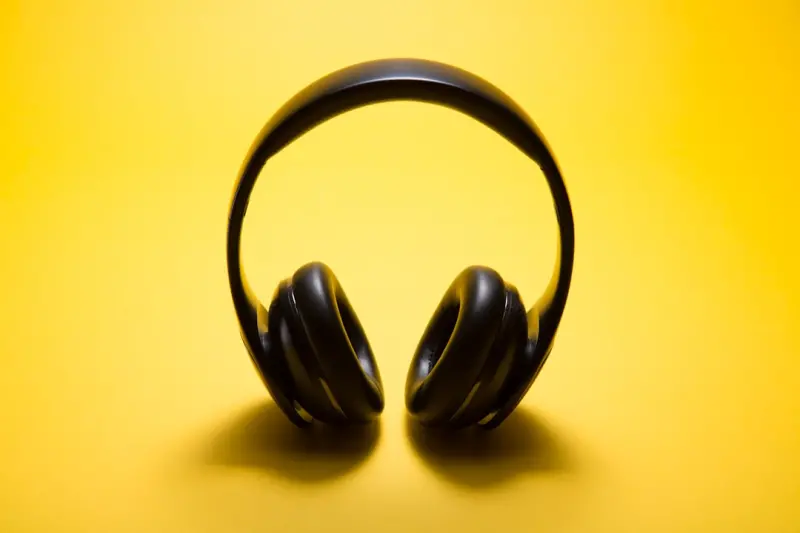
Why Your Bedroom Needs a Soundtrack: Auditory Hacks to Calm an Insomniac Mind
When the clock strikes midnight and my thoughts start throwing a midnight rave, I’ve learned that the answer isn’t another cup of tea or a desperate scroll through my phone. It’s the sound filling the space around me. As someone who spends most of the day drowning in digital noise, I’ve become a reluctant curator of my own acoustic environment. In this post I’m pulling back the curtain on the science, the myths, and the practical steps you can take to turn your bedroom into a low‑key concert hall for sleep.
The Hidden Noise Problem
Most of us assume that silence is the ideal backdrop for falling asleep. In reality, the brain is constantly scanning for patterns, and a perfectly silent room can feel unnerving, especially when you’re already anxious about not sleeping. The absence of predictable auditory cues can amplify internal chatter, making it harder to transition into the restorative theta waves that signal “I’m ready to rest.”
Research in auditory neuroscience shows that consistent, low‑frequency soundscapes help the brain lock onto a rhythmic baseline, reducing the “search‑and‑rescue” mode that fuels insomnia. Think of it like a metronome for your nervous system—once the tempo is set, the mind can sync up and drift off more naturally.
What Kind of Sound Works?
Not all sounds are created equal. Below is a quick cheat‑sheet of auditory profiles that have the best track record for sleep:
- Pink Noise – A balanced mix of low and high frequencies that mimics the sound of steady rain. Studies suggest it can increase deep‑sleep duration by up to 15%.
- Binaural Beats – Two tones played at slightly different frequencies in each ear; the brain perceives a third “beat” that can nudge neural activity toward the theta range (4‑8 Hz).
- Nature Ambience – Ocean waves, forest rustle, or distant thunder provide a dynamic yet non‑intrusive background that keeps the brain occupied without demanding focus.
- Low‑Volume Instrumentals – Slow piano, soft harp, or ambient synth pads create a melodic lull without the lyrical distraction.
If you’ve ever tried a white‑noise machine and found it too “static,” give pink noise a spin. It’s softer, more natural, and less likely to feel like a constant hiss.
Building Your Personal Sleep Soundtrack
Creating a soundtrack is easier than you think. Here’s a step‑by‑step framework that I’ve refined over countless sleepless nights:
- Identify Your Baseline: Spend a night with no added sound and note how long it takes you to fall asleep. This becomes your “control” for comparison.
- Choose a Core Sound: Pick one of the four categories above that feels soothing. Start with a low volume (around 30 dB) and adjust gradually.
- Layer Gently: If you prefer richer texture, add a secondary layer (e.g., pink noise + distant waves). Keep the mix subtle; the goal is continuity, not complexity.
- Set a Timer: Most sleep‑track apps let you fade out after 90 minutes. This prevents the sound from becoming a crutch that you need forever.
- Iterate Monthly: Your brain adapts. After a few weeks, switch the core sound or adjust the frequency range to keep the brain from “tuning out.”
For those who love data, you can even track sleep metrics with a wearable and see how each sound profile impacts REM duration. I’ve logged my own progress and noticed a 20‑minute reduction in sleep onset latency after two weeks of consistent pink‑noise use.
The Role of Timing and Light
Sound alone isn’t a silver bullet. Pairing auditory cues with a dimming light routine amplifies the effect. When the lights go down, our melatonin production spikes, and the brain becomes more receptive to low‑frequency sounds. A digital‑detox at bedtime—no screens for at least an hour—sets the stage for the soundscape to do its work without competing visual stimulation.
Try this combined ritual:
- 30 minutes before bed: Dim the lights to 10‑15% brightness.
- 15 minutes before bed: Start your chosen sound at a low volume.
- 5 minutes before bed: Perform a brief breathing exercise (inhalations for 4 seconds, exhalations for 6 seconds) to further lower heart rate.
The synergy of dim light, controlled breathing, and a steady auditory backdrop creates a “sleep‑ready” cascade that can shave minutes off the time you spend tossing and turning.
Common Pitfalls and How to Dodge Them
Even the best‑designed sound plan can backfire if you ignore these warning signs:
- Volume Too High – Anything above 50 dB can actually stimulate the brain rather than calm it. Use a decibel meter app to stay in the sweet spot.
- Lyrics or Sudden Changes – Anything that demands linguistic processing (like a pop song) will keep the language centers active.
- Inconsistent Use – Skipping nights or changing sounds wildly confuses the brain’s conditioning process.
- Device Noise – Some Bluetooth speakers emit a faint hum that can be distracting. Opt for wired connections or high‑quality speakers designed for sleep.
Auditory Hacks for the Knowledge Worker
If you’re a knowledge worker (yes, that includes many of us), you’re likely used to multitasking and processing streams of information. Your brain is primed for rapid shifts, which makes the transition to sleep especially jarring. Here’s how to translate your work‑day cognitive flexibility into a sleep‑friendly rhythm:
- Micro‑Auditory Breaks – Throughout the day, schedule 1‑minute “sound pauses” where you listen to a calming tone. This trains the nervous system to recognize auditory cues as signals for relaxation.
- Reverse the Flow – At night, flip the script: let the sound lead, not your thoughts. Instead of trying to “think of nothing,” focus on the quality of the sound—its texture, its rise and fall.
- Leverage Neuroplasticity – Consistent exposure to the same sound pattern can rewire neural pathways associated with arousal. In fact, the brain’s plasticity isn’t just for learning new skills; it’s also a tool for unlearning the habit of night‑time anxiety. For a deeper dive into brain‑training, check out the practical blueprint on neuroplasticity.
Beyond the Bedroom: Portable Sleep Soundscapes
Travel, business trips, or even a quick power nap in the office can throw off your acoustic routine. Portable solutions include:
- White‑noise earbuds designed for low‑profile wear.
- Smartphone apps with offline sound libraries—no Wi‑Fi needed.
- Noise‑cancelling headphones that also let you stream your curated playlists.
Just remember to keep the volume low and the content consistent with your home setup. Your brain will thank you for the continuity.
Measuring Success Without Obsessing
It’s tempting to become a sleep data junkie, but the goal is sustainable improvement, not perfect scores. Use one or two key metrics:
- Sleep Onset Latency (SOL) – How many minutes it takes to fall asleep after lights out.
- Sleep Quality Rating – A simple 1‑10 self‑assessment each morning.
If you see a steady decline in SOL and a rise in your quality rating over a 3‑week period, you’ve nailed the auditory formula. If not, revisit the volume, the sound type, or the timing of your pre‑sleep routine.
Final Thoughts: Turn Down the Noise, Turn Up the Sleep
Insomnia often feels like an internal battle, but you don’t have to fight it with sheer willpower alone. By curating a consistent, low‑frequency soundscape, dimming lights, and aligning your breathing, you give your brain a clear, repeatable cue that it’s time to switch gears. The beauty of this approach is that it’s both scalable—you can start with a free phone app—and personalizable, letting you fine‑tune the soundtrack to your own neuro‑preferences.
Give it a try for a month, track the two simple metrics, and you might just discover that the secret to quiet nights was a soundtrack you’ve been ignoring all along.

Kelly Reynolds is a dynamic freelance writer hailing from the picturesque landscapes of Alberta. A master of the written word, she juggles her passion for storytelling with the exhilarating chaos of being a mother to five spirited children. With an impressive portfolio that spans various genres, Kelly captivates readers through her engaging blog posts and thought-provoking articles.
Related Posts
Listening to the Night: Turning Insomnia Into a Body’s Conversation
Insomnia isn’t just a problem—it’s a conversation. Learn practical tools like body scans, scen... Read More
When the Clock Won’t Turn: Turning Insomnia into a Strategic Advantage
Learn how to treat sleepless nights as a laboratory, using simple tracking, light adjustments, senso... Read More

When the Night Won’t Let Go: Rethinking Insomnia for Modern Professionals
Insomnia isn’t just a nighttime problem—it reflects daytime choices, environment, and hidden phy... Read More
Top Posts

The Impact of Preventive Care on Cancer Treatment Outcomes
Preventive care plays a vital role in the early detection and treatment of cancer. Learn how prioritizing preventive care can help individuals reduce their risk...Read More

Harnessing Wearables and Breathwork to Tame Blood Pressure
A modern approach to blood pressure blends continuous wearable monitoring, guided breathwork, vibrant nutrient‑rich meals, and microbiome support, offering a ...Read More

Redefining Masculine Self‑Care: A Playbook for the Modern Man
A fresh, evidence‑backed guide helps modern men replace the “tough‑it‑out” mentality with sustainable self‑care practices, covering mindset, nutriti...Read More

Sculpting Strength: A Creative’s Guide to Sustainable Muscle Gain
Learn how to integrate micro‑progression, playful desk‑based movements, and design‑thinking mindset into a busy creative life to achieve sustainable muscl...Read More
0 Comments
Post Comment
You will need to Login or Register to comment on this post!