

The Hidden Cognitive Toll of Constant Connectivity
When I first started my career as a product manager, I was thrilled by the ping of every new notification. Each buzz felt like a badge of relevance—proof that I was “in the loop.” Fast forward a few years, and that same buzz has become a low‑grade anxiety that settles in the back of my mind long after the screen goes dark. It’s not just about feeling busy; it’s about the subtle, cumulative erosion of our brain’s ability to focus, to process emotions, and to recover.
Research from cognitive neuroscience shows that multitasking with digital devices creates what scientists call cognitive overload. The prefrontal cortex, the region that governs planning and emotional regulation, is forced to switch contexts every few seconds. That constant task‑switching doesn’t just waste time—it burns neural fuel, leaving us mentally exhausted even after a short workday.
What’s more, the microbiome‑remote‑work resilience studies remind us that our gut‑brain axis reacts to stress in ways we’re only beginning to understand. The more fragmented our attention, the more likely we are to experience gut disturbances, which in turn amplify anxiety. It’s a feedback loop that feels impossible to break—until you realize you have agency over the very triggers that start the cycle.
Why Traditional Stress‑Management Falls Short
Most corporate wellness programs still rely on the classic triad: exercise, meditation, and occasional counseling. While each of these tools is valuable, they are often presented as “one‑size‑fits‑all” solutions that ignore the digital architecture of modern work. A 10‑minute mindfulness break, for instance, may soothe a racing heart but does little to address the root cause: the incessant stream of alerts that never truly stops.
Think about the popular “digital detox weekend.” You unplug for two days, then return to the same notification‑heavy environment, feeling the same pressure to respond instantly. The detox feels like a Band‑Aid rather than a surgical intervention. We need strategies that reshape the digital landscape itself, not just our reaction to it.
Even the most robust exercise regimen can be sabotaged by a phone that constantly lights up with work‑related messages. You might finish a high‑intensity interval session feeling great, only to be greeted by a flood of Slack messages that instantly re‑trigger cortisol production. The body’s recovery window is cut short, and the mental benefit of the workout is diluted.
Three Pragmatic Shifts to Reclaim Mental Space
Below are three actionable changes that integrate seamlessly into a tech‑forward lifestyle, each designed to lower cognitive load without sacrificing productivity.
1. Adopt “Notification Bundles” Instead of Real‑Time Alerts
Rather than allowing every app to ping you the moment something happens, create intentional bundles—grouped notifications that arrive at set intervals (e.g., every 30 minutes). This approach mirrors the way we schedule email checks and can dramatically reduce the number of context switches per hour.
- Set the rule. Choose a few critical channels (e.g., client emergencies) that remain “instant,” and bundle the rest.
- Use native OS features. Both iOS and Android now support “summary” notifications, letting you see a concise list rather than individual alerts.
- Communicate the change. Let teammates know your new cadence. Transparency reduces the fear that you’re “unreachable.”
When you implement bundles, you’ll notice a steadier flow of focus, and your brain will have longer uninterrupted periods to process information deeply.
2. Introduce “Micro‑Recovery Routines” Every 90 Minutes
Our brain’s natural ultradian rhythm cycles roughly every 90 minutes, after which attention wanes. Instead of powering through until the next coffee break, honor this rhythm with a micro‑recovery routine—a brief, intentional pause that resets the nervous system.
Examples include:
- Standing up, stretching, and looking out a window for 60 seconds.
- Practicing a cold‑shower grounding technique that involves splashing cold water on your face while taking three deep breaths.
- Jotting a single line in a gratitude journal, focusing on something unrelated to work.
These micro‑breaks are not “wasted time.” They are neuro‑chemical resets that lower cortisol, boost dopamine, and improve subsequent problem‑solving ability. By aligning with the brain’s natural rhythm, you create a sustainable flow state rather than a roller‑coaster of spikes and crashes.
3. Curate a “Digital Sanctuary” Within Your Physical Space
Designating a zone that is deliberately free from work‑related tech can act as a mental anchor. This doesn’t have to be a separate room; it can be a corner of your desk, a favorite chair, or even a small tabletop that holds only analog items (a notebook, a plant, a candle).
The key is consistency: whenever you step into this sanctuary, you commit to a specific mental mode—reading, brainstorming on paper, or simply breathing. Over time, your brain learns to associate that space with a low‑stress state, creating a Pavlovian cue that eases anxiety when you need it most.
The Ripple Effect: From Individual to Organizational Culture
When individuals start implementing these shifts, the benefits quickly cascade through teams. A manager who respects “notification bundles” sets a precedent that encourages their reports to do the same, reducing the overall noise level in the organization. Teams that schedule collective micro‑recovery breaks report higher creativity scores in post‑meeting surveys. And a shared digital sanctuary—perhaps a “quiet zone” channel in Slack where only non‑urgent, uplifting content is posted—creates a cultural buffer against burnout.
Data from companies that have piloted similar approaches show a 15‑20% reduction in reported stress levels within three months, alongside a measurable uptick in project delivery speed. The hidden cost of chronic cognitive overload—missed deadlines, decision fatigue, high turnover—starts to shrink when the organization treats mental bandwidth as a finite resource worthy of protection.
Measuring Success Without Adding More Metrics
It’s tempting to create a dashboard tracking every new habit, but that can re‑introduce the very data‑driven stress we aim to reduce. Instead, focus on simple, qualitative markers:
- How often do you feel the need to check your phone outside of scheduled bundles?
- Do you notice a smoother transition between tasks?
- Are you able to finish a work block without experiencing a “brain fog” episode?
Journaling these observations for a week provides a clear picture of progress without the overhead of complex analytics. If you’re curious about deeper insights, you can occasionally review sleep data insights to see how improved mental habits translate into better rest—a powerful feedback loop that further reinforces the new habits.
Conclusion: Turning Digital Overload Into a Strategic Asset
The narrative around mental health in the workplace often paints technology as the villain. In reality, it’s the unchecked, reflexive relationship with technology that creates the problem. By deliberately redesigning how we interact with our devices—through notification bundles, micro‑recovery routines, and curated digital sanctuaries—we can transform that relationship into a strategic advantage.
Imagine a future where “always‑on” is no longer a source of anxiety but a well‑orchestrated symphony of focused work, intentional pauses, and genuine mental clarity. That future starts with a single, mindful decision to change the way you let technology dictate your mind.
Take the first step today: set your phone to bundle notifications for the next 48 hours and schedule a 90‑minute micro‑break. Notice the difference. Then, share your experience with a teammate—because mental health, when nurtured collectively, becomes the strongest competitive edge your organization can have.

Related Posts
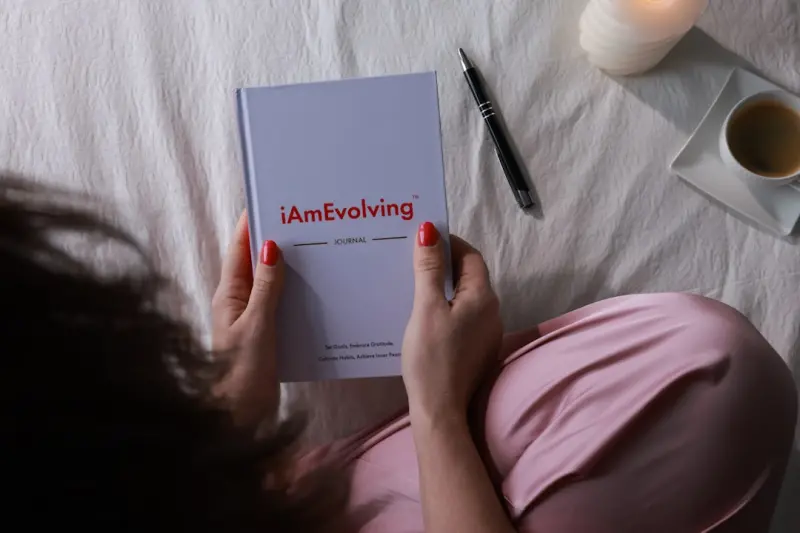
Cultivating Calm: The Unexpected Power of Everyday Soundscapes
Learn to harness the hidden influence of everyday sounds—from nature recordings to curated playlis... Read More

Inbox Overload: A Mental‑Health Blueprint for the Modern Knowledge Worker
This article reveals how constant email notifications erode mental health and offers a practical, da... Read More

Digital Overload: Reclaiming Mental Space in a Hyper‑Connected World
Explore how constant connectivity strains the brain and discover actionable tips—from notification... Read More
Top Posts
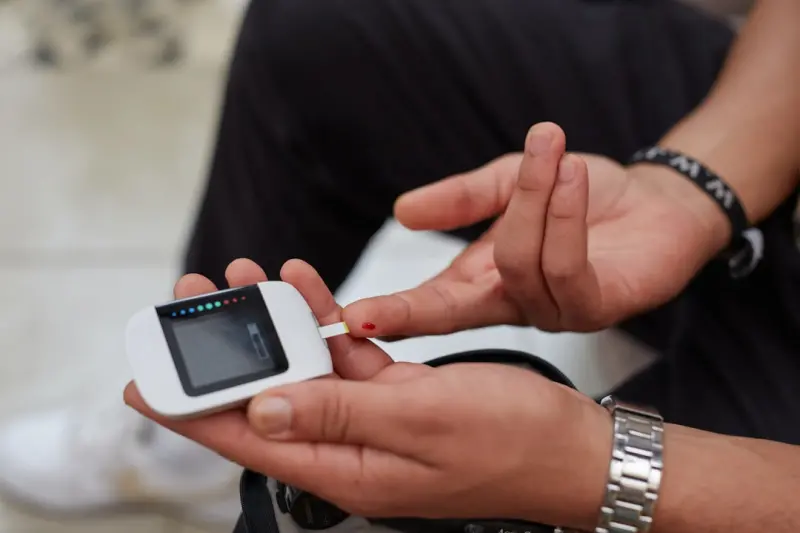
Why Your Digital Habits Could Be the Missing Piece in Prediabetes Control
A fresh look at managing prediabetes through small, tech‑driven habit changes—glucose dashboards, smart alerts, and community data sharing—to stabilize bl...Read More
The Hidden Link: Liver Health and Mental Wellbeing
The liver plays a vital role in maintaining our overall health, including mental wellbeing. Learn how liver health and mental wellbeing are connected and why a ...Read More

Unlocking the Hidden Power of Your Health Insurance: A Personal Blueprint
A personal, step‑by‑step guide reveals how to demystify health insurance, leverage hidden benefits, and turn your policy into a strategic health asset....Read More

The Silent Alarm: Unpacking Adult Sleep Terrors and How to Quiet Them
Sleep terrors aren’t just frightening dreams—they’re abrupt, physiological spikes that can disrupt both night and day. This post uncovers the hidden trigg...Read More
0 Comments
Post Comment
You will need to Login or Register to comment on this post!