
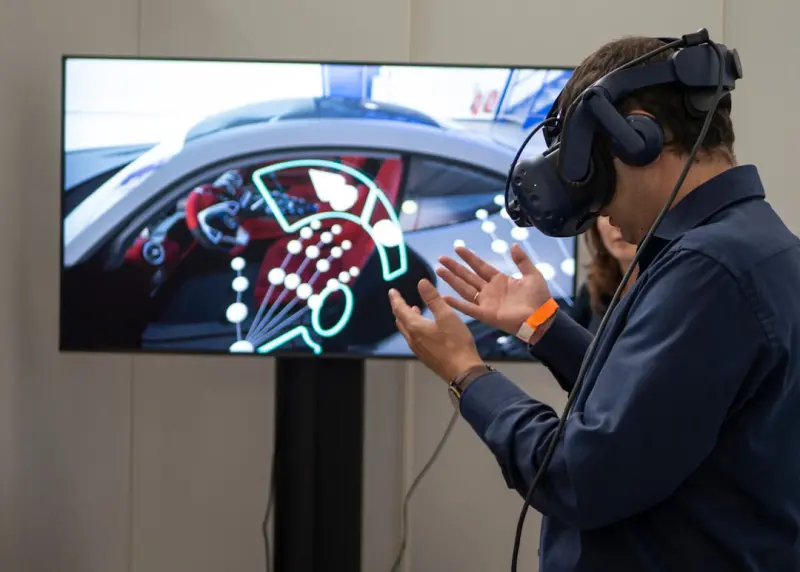
Stepping Into the Future: How Virtual Reality is Transforming Physiotherapy
When I first walked into a rehab clinic as a fresh‑out graduate, the room smelled of antiseptic, the walls were lined with posters of anatomy, and the sound of a metronome kept time for patients’ exercises. Fast‑forward a decade, and the same space now hums with the low‑frequency whir of a VR headset, while patients glide through immersive environments that turn tedious repetitions into adventures.
I'm Paula Wright, a clinical physiotherapist who’s spent the last ten years blending evidence‑based practice with emerging tech. In this post, I’ll share why virtual reality (VR) is not just a novelty but a powerful tool that can reshape outcomes for musculoskeletal, neurological, and post‑surgical patients. We'll explore the science, the practical set‑up, real‑world case stories, and the pitfalls to watch out for.
Why the Traditional Model Needs a Boost
Physiotherapy has always been grounded in three pillars: assessment, manual intervention, and exercise prescription. While these remain essential, the conventional approach faces two recurring challenges:
- Adherence fatigue. Repeating the same movement for weeks can feel monotonous, leading patients to drop out or perform exercises half‑heartedly.
- Lack of immediate, immersive feedback. Hands‑on guidance from a therapist is limited to clinic hours, and at‑home programs often lack the nuanced cues that make a difference.
Enter VR. By creating an engaging, controllable environment, it addresses both hurdles simultaneously—keeping patients motivated and providing instant, quantifiable feedback.
The Science Behind Immersive Rehab
VR isn’t just flashy graphics; it taps into core neurophysiological mechanisms:
- Mirror neuron activation. Watching an avatar perform a movement stimulates the same neural pathways as actually doing it, which is especially beneficial after stroke or orthopedic surgery.
- Enhanced proprioceptive feedback. Haptic controllers and motion trackers give patients a sense of position and force that standard mirrors lack.
- Gamified reward circuits. Points, levels, and narrative progression trigger dopamine release, reinforcing the habit loop of “exercise‑reward‑repeat.”
Research in the past few years has shown statistically significant improvements in balance scores for elderly patients using VR‑based balance games, and faster gait recovery in post‑ACL reconstruction cohorts. The evidence base is still expanding, but the signal is clear: immersive environments can accelerate neural re‑wiring and muscle re‑education.
Getting Started: A Practical Blueprint
If you’re a clinic leader or an independent practitioner curious about adding VR to your toolbox, here’s a step‑by‑step roadmap:
1. Choose the Right Hardware
There are three main categories:
- Standalone headsets (e.g., Oculus Quest). All‑in‑one, no PC needed, ideal for small clinics.
- PC‑tethered systems (e.g., HTC Vive). Higher fidelity graphics, better tracking, but require a dedicated workstation.
- Mobile phone adapters (e.g., Google Cardboard). Low cost, limited interaction—good for pilot programs.
My clinic started with a few Quest units because they are portable, easy to sanitize, and integrate with a range of therapeutic apps.
2. Select Evidence‑Based Software
Not all VR apps are created equal. Look for platforms that offer:
- Customizable exercise libraries aligned with standard physiotherapy protocols.
- Data export capabilities (range of motion, repetitions, force) that can be imported into your EMR.
- Clinician dashboards for real‑time monitoring.
One standout is PhysioVR, which lets you set up a virtual “kitchen” where patients practice reaching and bending while avoiding obstacles—perfect for low back pain rehab.
3. Train Your Team
Even the most intuitive headset requires a learning curve. Allocate a half‑day workshop for your therapists to:
- Understand the hardware’s hygiene protocols.
- Navigate the software’s therapist portal.
- Interpret the data outputs and translate them into actionable treatment modifications.
We paired senior therapists with tech‑savvy interns, creating a mentorship loop that sped up adoption.
4. Pilot With a Targeted Patient Group
Start small—perhaps post‑knee arthroplasty patients who need to regain quadriceps strength without overloading the joint. Use a pre‑ and post‑intervention outcome measure (e.g., the Timed Up‑and‑Go test) to demonstrate efficacy.
5. Integrate Data Into the Care Pathway
Export the metrics, import them into your electronic health record, and set alerts for when a patient’s performance plateaus. This creates a closed‑loop system where the therapist can adjust the difficulty level or switch to a different VR scenario.
Real‑World Stories: From Skepticism to Success
Below are three anonymized case vignettes that illustrate the breadth of VR’s impact.
Case 1: The Office Warrior
Mark, a 38‑year‑old software developer, presented with chronic neck and upper‑trap tension after months of remote work. Traditional stretching gave him temporary relief, but the pain returned within days. We introduced a VR “posture quest” where he navigated a virtual office, earning points for maintaining a neutral spine while typing on a holographic keyboard.
After four weeks, his Neck Disability Index dropped from 28 to 8, and he reported a 70% reduction in perceived pain. The gamified feedback kept him engaged during his nightly 10‑minute sessions.
Case 2: The Post‑Stroke Survivor
Linda, 62, suffered a left‑hemisphere ischemic stroke that left her right arm with limited volitional movement. Conventional mirror therapy helped, but progress stalled at a 30° elbow flexion. Using a VR app that projected a virtual arm mirroring her healthy side, Linda practiced reaching for virtual objects. The visual‑motor coupling accelerated her cortical re‑mapping, and after six weeks she achieved a functional 70° flexion, allowing her to feed herself again.
Case 3: The Young Athlete’s Return
Sam, a 21‑year‑old soccer midfielder, was three months post‑ACL reconstruction. Standard physiotherapy focused on quad activation, but he struggled with proprioception on the injured side. A balance‑oriented VR game placed Sam on a virtual surfboard, challenging him to maintain stability while “riding waves.” The immersive cueing improved his single‑leg stance time from 5 seconds to 22 seconds, and he returned to full training ahead of schedule.
Addressing Common Concerns
Is VR Safe for All Ages?
While VR is generally safe, certain populations need extra precautions. Children under 13 may experience motion sickness, and patients with severe vestibular disorders should undergo a brief tolerance test. For elderly patients, ensure the play area is free of trip hazards and provide a sturdy chair for seated experiences.
What About Motion Sickness?
Cybersickness stems from visual‑vestibular mismatch. Mitigate it by:
- Choosing apps with a stable horizon line.
- Limiting sessions to 10‑15 minutes initially.
- Gradually increasing exposure as tolerance builds.
Cost Concerns
The initial outlay—approximately $400 per standalone headset plus a $200–$500 software license—can be offset by:
- Charging a modest “technology fee” for VR sessions.
- Bundling VR with premium rehab packages.
- Leveraging insurance codes for “interactive therapeutic devices” where applicable.
Synergy With Other Innovative Therapies
VR doesn’t exist in a vacuum. It can amplify the benefits of complementary approaches you may already be familiar with. For instance, Cold Exposure Therapy: How Ice Baths and Chill Showers Supercharge Your Health works wonders for reducing inflammation, and when paired with a VR‑guided breathing session, patients report a deeper sense of recovery.
Similarly, integrating VR with the principles from Reimagining the Golden Years: A Sensory‑First Blueprint for Vibrant Aging can make senior mobility programs more enjoyable, fostering both physical and cognitive resilience.
Future Directions: Where Is VR Heading?
As hardware becomes lighter and haptic feedback more sophisticated, we’ll likely see:
- Full‑body suit integration. Imagine patients feeling resistance when they “push” a virtual object, enhancing strength training.
- AI‑driven adaptive difficulty. Machine‑learning algorithms could auto‑tune the challenge level based on real‑time performance metrics.
- Remote supervision. Therapists could watch a live feed of a patient’s VR session from a different city, expanding access for rural populations.
These advances promise a more personalized, data‑rich, and engaging physiotherapy experience—one that aligns perfectly with today’s patient expectations for technology‑enabled care.
Practical Tips for Clinicians Ready to Dive In
- Start with a clear clinical goal. Whether it’s improving gait speed or reducing shoulder impingement, define the metric you’ll track.
- Keep the tech simple. Overcomplicating the setup can create barriers for both staff and patients.
- Collect and analyze data. Use the built‑in analytics to demonstrate ROI to stakeholders.
- Educate patients. Explain how VR complements traditional therapy, not replaces it.
- Stay current. Subscribe to physiotherapy tech newsletters and attend webinars to keep pace with innovations.
Conclusion: Embrace the Virtual, Enhance the Real
Physiotherapy has always been about moving bodies, but now we have the chance to move minds as well. Virtual reality turns rehabilitation from a chore into an experience, giving patients the agency to see progress in vivid, real‑time colors. By thoughtfully integrating VR into our practice, we honor the core values of physiotherapy—restoring function, preventing injury, and empowering individuals—while stepping boldly into the digital age.
If you’re intrigued, start small, measure outcomes, and let the data guide your expansion. The future of rehab is immersive, and the headset is the newest tool in our therapeutic toolbox.

Related Posts

The Intersection of Physiotherapy and Mental Health: A Comprehensive Approach
Physiotherapy and mental health are closely linked. A comprehensive approach to physiotherapy consid... Read More
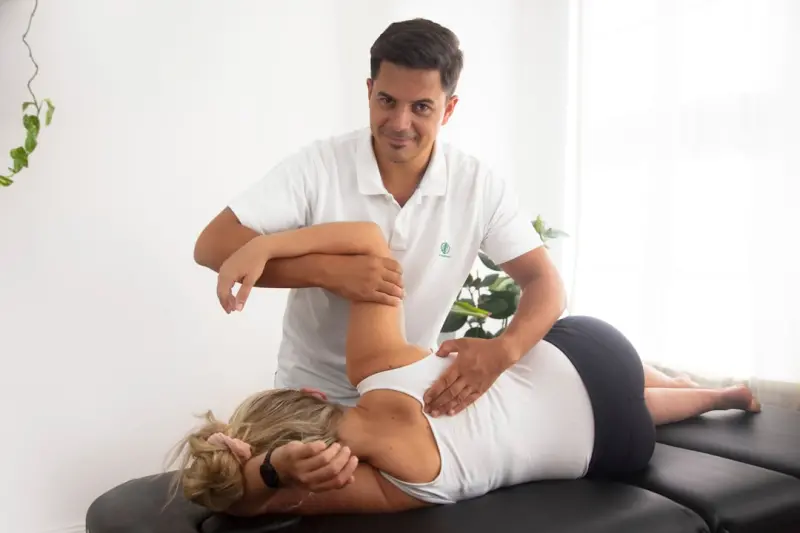
Movement in Motion: A Physiotherapy Blueprint for Hybrid Teams
A practical guide for hybrid teams to integrate micro‑movements, tele‑physio, and data‑driven ... Read More
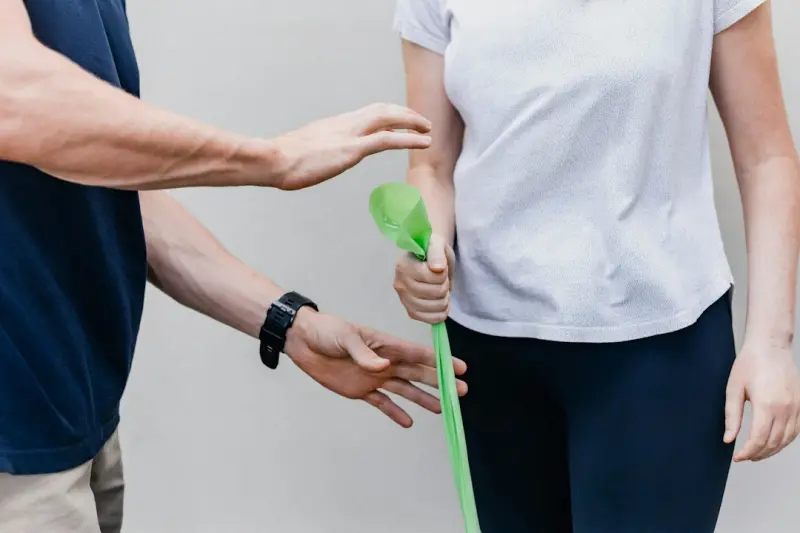
Playful Physio: Turning Rehab into a Game
Learn how adding game-like elements to physiotherapy can boost motivation, improve adherence, and ac... Read More
Top Posts

Cycle‑Smart Nutrition: Tailoring Your Diet to Every Phase of the Menstrual Cycle
Learn how to match your nutrition to the four phases of the menstrual cycle, optimizing energy, mood, and performance with evidence‑based food choices and sim...Read More

Micro‑Progress Mastery: Redefining Muscle Gain for Busy Professionals
A fresh take on building muscle focuses on micro‑progress, strategic recovery, and nutrient quality, offering busy professionals a realistic roadmap to steady...Read More
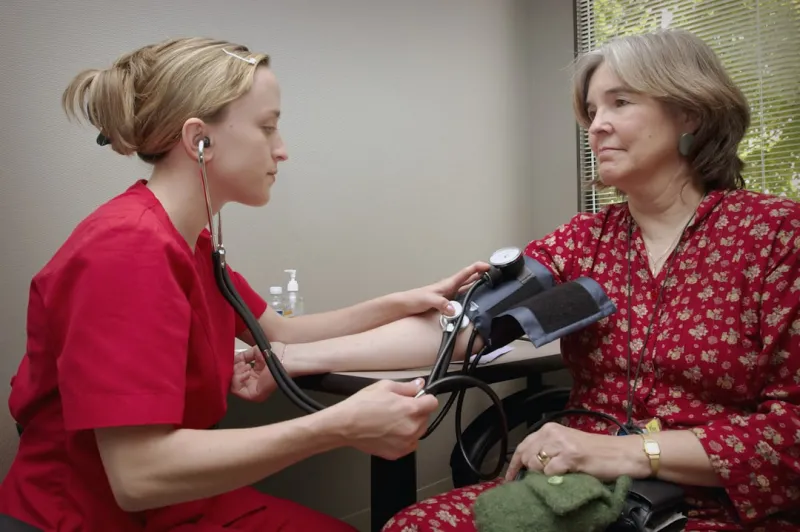
Mastering Blood Pressure Naturally
A personal, holistic guide to controlling blood pressure through diet, exercise, stress management, and sleep—plus practical tips and supportive resources for...Read More

Resetting Your Inner Engine: A Holistic Approach to Body Detox Beyond the Diet
A fresh, holistic detox guide that goes beyond juice cleanses, focusing on breath, lymphatic movement, sleep optimization, and daily micro‑habits to cleanse t...Read More
0 Comments
Post Comment
You will need to Login or Register to comment on this post!