
Reframing Rehabilitation: From Solo Sessions to Community Hubs
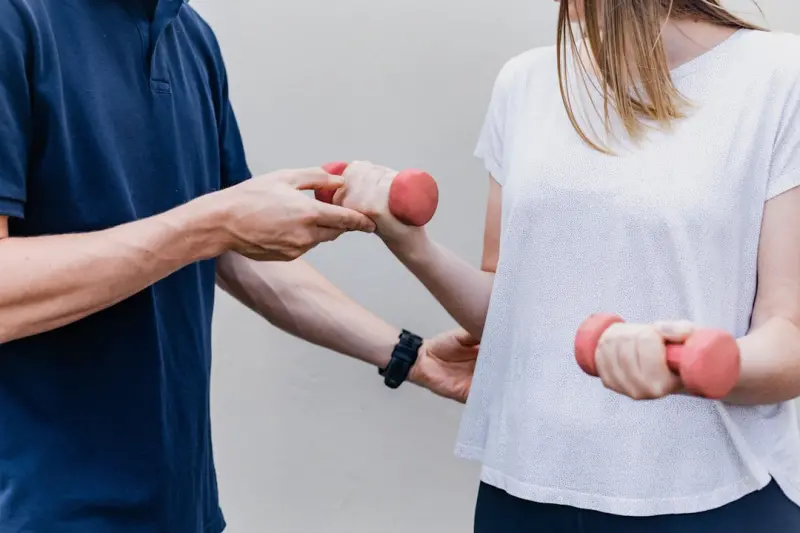
When I first stepped into a bustling community gym that doubled as a physiotherapy hub, I realized that healing isn’t a solitary pursuit but a shared rhythm that thrives on collective energy, encouragement, and accountability; the clatter of dumbbells, the murmur of peers swapping recovery tips, and the steady guidance of a skilled therapist create an environment where movement becomes a language spoken by many, not just one. Group physiotherapy transforms the sterile clinic into a living laboratory, where each participant’s progress fuels the next, and the subtle competition spurs faster motor relearning, while the therapist orchestrates the session like a conductor, ensuring safety, precision, and individualized progression within the group flow. This shift from isolated appointments to communal practice not only cuts costs but also builds a resilient support network that extends beyond the mat, turning strangers into allies who celebrate every small milestone together.
The Science Behind Social Facilitation in Motor Recovery
Research in neuroplasticity consistently shows that observing others perform a movement activates mirror neurons, priming the brain for similar actions and accelerating the formation of new neural pathways, so when you watch a teammate successfully execute a squat, your own motor cortex lights up as if you were doing it yourself, creating a subconscious rehearsal that shortens the learning curve. In addition, the presence of peers triggers a physiological response known as social facilitation, releasing dopamine and endorphins that enhance motivation, reduce perceived effort, and improve pain tolerance, which means that the simple act of training alongside others can make a painful stretch feel more manageable and a strenuous exercise feel achievable. By harnessing these mechanisms, community‑based physiotherapy leverages the brain’s innate social wiring, turning what could be a monotonous routine into a dynamic, neuro‑enhancing experience that fuels faster functional gains.
Designing Inclusive Group Sessions for Diverse Needs
One of the biggest challenges I faced when launching community physiotherapy was ensuring that each session accommodated a wide spectrum of injuries, fitness levels, and cultural backgrounds, so I began by segmenting groups based on mobility goals—post‑surgical, chronic pain, athletic performance—while still fostering a shared space that encouraged cross‑learning and empathy; this approach allows a veteran runner recovering from a hamstring tear to demonstrate safe gait patterns that a desk‑bound worker with lower back stiffness can adapt for their own needs. Moreover, I integrated adaptive equipment such as resistance bands, balance pads, and seated options to guarantee that anyone, regardless of physical limitation, could participate meaningfully, turning potential exclusion into an opportunity for creative problem‑solving that keeps the energy inclusive and the therapist’s attention evenly distributed. The result is a fluid, modular program where participants feel seen, respected, and empowered to push their boundaries without fear of judgment or injury.
Leveraging Technology Without Losing the Human Touch
While the buzz around virtual reality meets physiotherapy is undeniable, I discovered that blending low‑tech group dynamics with smart wearables creates a balanced ecosystem where data informs, but community transforms; wearable sensors track range of motion and muscle activation in real time, feeding metrics to the therapist who can instantly adjust group drills to keep everyone in a safe, progressive zone. Yet the real magic happens when the therapist pauses the data stream to ask, “How did that feel?” allowing participants to share subjective experiences that numbers can’t capture, thereby reinforcing the therapeutic alliance and ensuring that technology serves as a bridge rather than a barrier. This hybrid model preserves the tactile, empathetic core of physiotherapy while adding a layer of objective insight that empowers both clinician and client to celebrate measurable victories together.
Creating a Culture of Accountability and Celebration
In my community sessions, I instituted a simple yet powerful ritual: at the end of each class, participants write down one personal movement goal they achieved and one hurdle they overcame, then share it aloud; this practice turns individual triumphs into collective stories, reinforcing accountability through public commitment and fostering a celebratory atmosphere where progress, no matter how modest, is honored. The ripple effect is profound—when one person proudly announces mastering a single‑leg balance, the group feels inspired to attempt the same, creating a cascade of incremental successes that boost confidence and adherence far beyond what isolated therapy can achieve. Over time, this habit builds a resilient mindset that treats setbacks as learning opportunities, and the shared narrative becomes a living testament to the group’s collective growth.
Cost‑Effective Benefits for Patients and Clinics
From a financial perspective, group physiotherapy reduces per‑client expenses by distributing therapist time, facility overhead, and equipment usage across multiple participants, making high‑quality rehab accessible to those who might otherwise forego treatment due to cost constraints; a single therapist can safely guide ten individuals through a tailored circuit, delivering personalized cues while preserving the economies of scale that keep fees affordable. Clinics, in turn, benefit from higher utilization rates, increased client retention, and the potential to attract a broader demographic through community outreach programs, turning physiotherapy from a niche service into a cornerstone of local wellness initiatives. By aligning economic incentives with therapeutic outcomes, the group model creates a win‑win scenario where patients receive comprehensive care without breaking the bank, and providers enjoy sustainable growth.
Integrating Mind‑Body Practices to Enhance Recovery
Beyond the physical drills, I incorporated mindfulness techniques such as guided breathing, body scans, and gentle visualization into the group flow, recognizing that the mind’s state profoundly influences pain perception, muscle tension, and overall recovery speed; a brief five‑minute meditation before the main workout centers attention, reduces cortisol levels, and primes the nervous system for more efficient motor relearning. Participants quickly reported feeling more present during exercises, noticing subtle improvements in coordination and reduced anxiety about re‑injury, which underscores the synergistic power of combining traditional physiotherapy with holistic mind‑body practices. This integrated approach not only enriches the therapeutic experience but also equips clients with lifelong tools to manage stress, maintain mobility, and sustain the benefits of their rehab long after the program ends.
Success Stories That Illustrate the Power of Community
One of my most memorable cases involved Maya, a new mother recovering from a C‑section who joined our post‑natal group; within six weeks, she progressed from assisted pelvic floor exercises to confidently performing low‑impact cardio alongside peers, all while sharing her challenges and cheering on a teammate battling chronic knee pain, illustrating how mutual support accelerates healing and builds resilience. Another inspiring example is Jamal, a former construction worker with a rotator cuff tear, who, after three months of group resistance training, regained full shoulder strength and reported a renewed sense of confidence that spilled over into his workplace, reducing his reliance on pain medication and improving his overall quality of life. These stories, coupled with the measurable improvements in range of motion and functional scores across the cohort, demonstrate that community‑driven physiotherapy isn’t just a trend—it’s a transformative framework that reshapes the healing journey for countless individuals.
Getting Started: How to Join or Launch Your Own Community Hub
If you’re eager to experience the benefits of group physiotherapy, start by scouting local community centers, gyms, or wellness studios that host “movement labs” or “rehab circles,” and inquire about trial classes that blend professional supervision with peer interaction; many practitioners offer a complimentary session to showcase how the format works, allowing you to gauge the vibe, assess safety protocols, and determine whether the group’s energy resonates with your personal goals. For clinicians aspiring to launch a community hub, begin with a clear vision—identify target populations, secure a versatile space, invest in adaptable equipment, and cultivate partnerships with local health providers to funnel referrals; remember to train staff in group dynamics, safety monitoring, and inclusive communication to create a welcoming environment that fosters trust and sustained engagement. By taking these concrete steps, you can either become part of a thriving supportive network or become the catalyst that brings this innovative, collaborative approach to your community, ultimately redefining how we think about physiotherapy.

Craig Brett is a freelancer with a passion for the outdoors. His love for nature inspires his work, bringing authentic and engaging perspectives to projects related to outdoor activities, adventure, and environmental topics.
Related Posts

Beyond the Clinic: How AI, Wearables, and Nutrition Are Redefining Physiotherapy
Physiotherapy is evolving from reactive, clinic‑only care to a proactive, tech‑enabled partnersh... Read More

Turning Rehab Into Play: How Gamified Apps Are Revolutionizing Physiotherapy
Gamified physiotherapy apps turn routine exercises into engaging quests, boosting adherence and spee... Read More

Rewilding Rehabilitation: How Outdoor Play Revitalizes Physiotherapy
Physiotherapist Jessica Hall explores the untapped power of outdoor, play‑focused rehabilitation, ... Read More
Top Posts
Micro‑Progress: Building Muscle When Every Minute Counts
Learn how to achieve solid muscle growth through short, frequent micro‑sessions, strategic nutrition, neuro‑fitness, and AI‑driven feedback—all designed...Read More

Remote Health Coaching: A Game‑Changer for Senior Wellness
Remote health coaching offers seniors personalized, tech‑enabled guidance that improves mobility, mental health, and overall wellbeing, turning aging into an ...Read More

Untangling Sleep Terrors: A Personal Blueprint for Calm Nights
Becky Putman shares her journey through sleep terrors, offering actionable strategies—from breathing techniques and nutrition to creative reframing—to help ...Read More

Why Short, Intentional Movement Bursts Are the Future of Fitness
Explore the science and practical steps behind micro‑movement sessions, showing how short, high‑intensity bursts can fit into any schedule, improve mental f...Read More
0 Comments
Post Comment
You will need to Login or Register to comment on this post!