
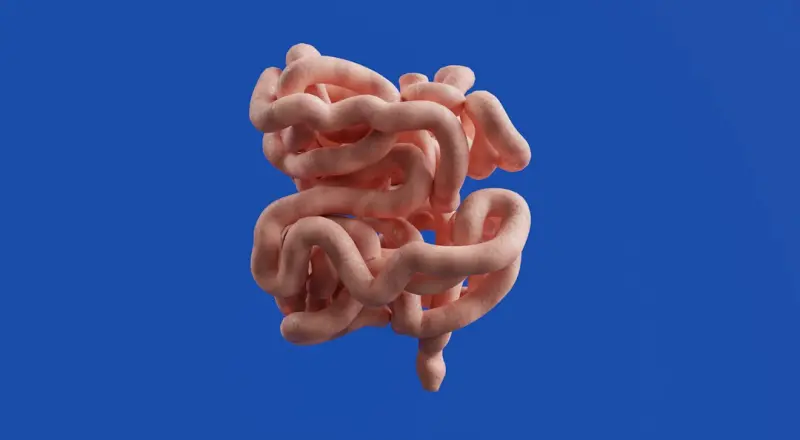
Why the Liver Deserves a Seat at the Microbiome Table
When I first started digging into gut health, the liver was the quiet partner I kept hearing about in the background. It’s the body’s chief detoxifier, a metabolic powerhouse, and, surprisingly, a direct beneficiary of the trillions of microbes living in our intestines. In recent months, the conversation has shifted from “detox” to a more nuanced view: the microbiome‑liver axis. This isn’t a trendy buzzword; it’s a science‑backed relationship that can reshape how we think about nutrition, lifestyle, and even technology‑driven health monitoring.
The Science in Plain English
The liver sits right downstream of the gut, receiving blood that’s been filtered through the portal vein. Anything that happens in the intestines—whether it’s a surge of short‑chain fatty acids, a bloom of harmful endotoxins, or a spike in bile acids—gets delivered straight to the liver. The organ then decides whether to store, transform, or discard that information.
Two mechanisms dominate this conversation:
- Metabolic Crosstalk: Beneficial microbes produce compounds like butyrate, which fuel liver cells and improve insulin sensitivity.
- Immune Signaling: An out‑of‑balance microbiome can leak lipopolysaccharides (LPS) into circulation, prompting inflammation that stresses liver tissue.
When the gut thrives, the liver thrives. When the gut falters, the liver is often the first organ to show signs of distress—fatty infiltration, elevated enzymes, or even early fibrosis.
From Theory to Everyday Practice
Understanding the axis is one thing; applying it is another. Below are three practical levers you can pull right now.
1. Eat for Microbial Diversity, Not Just Calorie Count
Fiber is the ultimate currency in the gut‑liver economy. Diverse plant fibers feed a variety of bacterial species, each churning out unique metabolites that support liver health. Aim for a rainbow plate at each meal: leafy greens, cruciferous veg, berries, nuts, and legumes. If you’re new to high‑fiber eating, start with a small serving of fermented foods—kimchi, sauerkraut, or kefir—to seed your gut with resilient strains.
2. Time Your Meals to Respect the Liver’s Rhythm
The liver isn’t a 24‑hour factory; it works in cycles that align with our circadian clock. Recent research suggests that a time‑restricted eating window of 8‑10 hours can give the liver a nightly “fasting” period to focus on repair and regeneration. This isn’t about starvation; it’s about letting the organ complete its natural housekeeping tasks without a constant influx of nutrients.
3. Leverage Digital Health Tools for Early Detection
Wearables and AI‑driven platforms are now capable of flagging subtle shifts in heart rate variability, sleep quality, and even skin temperature that correlate with hepatic stress. By integrating these data points with personal diet logs, you can spot early warnings—like a sudden dip in HRV after a high‑sugar binge—before liver enzymes rise in a blood test.
Case Study: When Gut Dysbiosis Triggered Silent Fatty Liver
One of my clients, a 42‑year‑old software engineer, complained of persistent bloating and low‑grade fatigue. Routine labs showed a borderline ALT level, but nothing else. After a deep dive into his diet, we discovered a heavy reliance on processed carbs and a near‑absence of fermented foods. His gut microbiome, when sequenced, was dominated by Enterobacteriaceae, a group associated with endotoxin production.
We introduced a phased fiber ramp‑up, added a daily probiotic containing Lactobacillus plantarum, and instituted an 8‑hour eating window. Within six weeks, his HRV improved, his bloating vanished, and repeat labs showed a 30% drop in ALT. The liver’s silent alarm had been silenced by restoring microbial balance.
How to Align Your Lifestyle With the Microbiome‑Liver Blueprint
Below is a checklist that translates science into a day‑to‑day action plan. Feel free to tweak each item based on personal preferences and health goals.
- Morning: Start with a glass of warm water infused with lemon and a tablespoon of chia seeds. The lemon supports bile flow; chia seeds deliver soluble fiber.
- Mid‑Morning Snack: A handful of mixed nuts and a serving of kefir. This combo offers healthy fats, protein, and live cultures.
- Lunch: A large salad featuring mixed greens, roasted beets, quinoa, and a sprinkle of fermented tempeh. Dress with olive oil and apple cider vinegar for extra prebiotic power.
- Afternoon: Move away from the desk for a 5‑minute “micro‑movement” break—stretch, walk, or do a set of body‑weight squats. Even brief activity can improve gut motility and reduce stress hormones that burden the liver.
- Dinner: Aim for a protein source low in saturated fat (wild‑caught salmon, lentils) paired with cruciferous veggies like broccoli or Brussels sprouts. Finish with a cup of herbal tea (dandelion or ginger) known to support liver detox pathways.
- Evening: Shut down screens at least an hour before bedtime. A calm nervous system promotes a healthier gut‑brain‑liver dialogue during sleep.
Integrating the Microbiome‑Liver Lens With Broader Wellness Themes
While liver health often gets isolated in discussions about “detox” or “fat loss,” it’s actually a hub that connects several wellness pillars—immune function, mental clarity, and even cardiovascular health. For instance, a robust gut microbiome can modulate the immune system, reducing chronic inflammation that otherwise accelerates liver disease. If you’re interested in exploring that immune‑liver connection further, check out When Your Immune System Gets Stuck for a deep dive.
Similarly, the concept of The Hidden Power of Micro‑Movement isn’t just about performance; it’s also a low‑impact way to keep gut transit smooth, indirectly easing liver workload.
If you’re a seasonal person, you might wonder how to sync these practices with the natural rhythms of the year. The Seasonal Reset article outlines how to tweak food choices and fasting windows as daylight length changes—an excellent companion piece to the liver‑focused strategies above.
Future Directions: What the Next Wave of Research Might Reveal
Scientists are now employing “multi‑omics” approaches—combining genomics, metabolomics, and proteomics—to map the exact molecular conversations between gut microbes and liver cells. Early findings suggest that certain bacterial strains can directly influence the expression of genes involved in lipid metabolism, opening doors to probiotic therapies that target fatty liver disease at its root.
On the tech side, we can expect AI platforms to integrate real‑time microbiome sequencing (yes, you’ll soon be able to swab your stool at home and get a live report) with liver function dashboards. Imagine receiving a push notification that says, “Your gut diversity is low; consider a fiber‑rich snack to protect your liver tonight.” That level of personalization will turn preventive liver care from a vague concept into an everyday habit.
Takeaway: A Liver That Listens, A Gut That Speaks
The liver is often cast as the body’s solitary “detox hero,” but in reality, it’s a conversational partner that relies on a thriving microbiome and a well‑timed lifestyle. By feeding diverse fibers, respecting circadian windows, and harnessing digital insights, you give your liver the information it needs to keep you feeling vibrant.
Remember: you don’t need an extreme cleanse or a radical diet overhaul. Small, consistent adjustments—like a daily fermented bite, a brief movement break, or a simple wearable alert—can collectively shift the microbiome‑liver axis from a state of strain to one of synergy.
So the next time you hear someone brag about “detox teas,” smile and say, “I’m busy building a better conversation between my gut and my liver.” That, my friends, is the future of liver health.

Tom Ferguson is a Canadian freelance writer with a passion for storytelling, current events, and thoughtful commentary. Drawing on years of writing experience, he shares engaging insights on a wide range of topics, bringing a uniquely Canadian perspective to his work.
Related Posts

Reboot Your Liver: Everyday Hacks for a Resilient Organ
Learn how to give your liver the respect it deserves with easy daily habits—smart hydration, movem... Read More
The Hidden Power of Liver Resilience: A Pro’s Guide to Stress‑Proof Performance
A deep dive into how chronic stress, hidden toxins, and lifestyle choices impact the liver, and acti... Read More
Micro‑Habits for a Thriving Liver: Small Daily Choices that Make a Big Impact
Learn how tiny, consistent daily actions can strengthen your liver, improve metabolism, and support ... Read More
Top Posts

The Sound of Calm: How Ambient Audio Can Lower Blood Pressure
Learn how the right ambient sounds, from low‑frequency tones to binaural beats, can quietly lower blood pressure, and get practical steps to create a calming ...Read More

When Night Turns Violent: Understanding and Healing Sleep Terrors
Discover why sleep terrors happen, how they affect your life, and practical holistic methods to soothe the night and restore peaceful sleep....Read More
Turn Up the Heat: How Ambient Temperature Can Accelerate Your Weight Loss Journey
Learn how modest changes to your indoor climate can activate brown fat, increase daily calorie burn, and complement diet and exercise for sustainable weight los...Read More
The Unseen Toll of Prediabetes on High‑Performance Professionals
Prediabetes quietly affects brain function, stress response, and productivity. This article reveals the hidden impact on high‑performing professionals and off...Read More
0 Comments
Post Comment
You will need to Login or Register to comment on this post!