
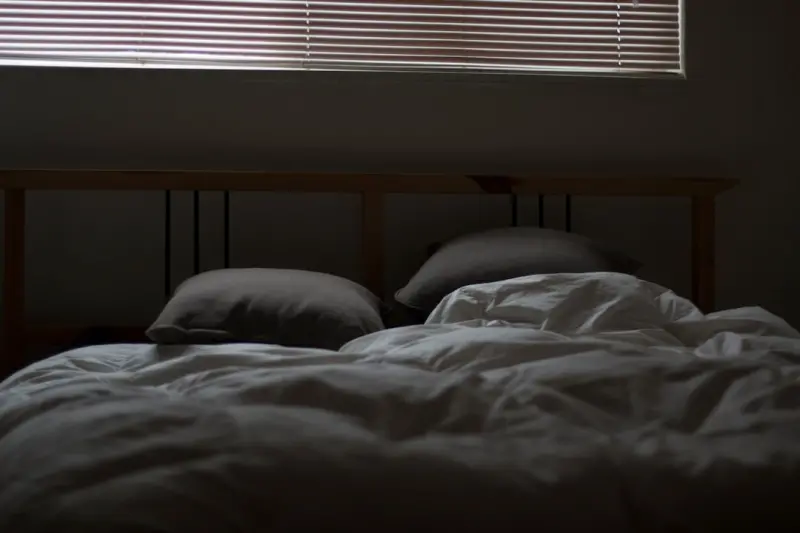
Why Insomnia Is Often a Message, Not a Malfunction
When the clock strikes midnight and the darkness feels heavier than usual, many of us lie awake wondering why our bodies refuse to cooperate. The instinctive reaction is to blame the brain, the mattress, or the endless to‑do list. Yet, in my experience as a chronic night‑owl turned sleep advocate, insomnia frequently signals something deeper—an unmet physiological need, an emotional thread left untied, or a rhythm that has slipped out of sync with the world around us.
The Hidden Drivers Behind the Toss‑and‑Turn Cycle
Most conventional advice treats insomnia as a problem to be solved with a single fix: sleep more or “turn off the screens.” While those suggestions can help some, they often miss the nuanced orchestra of systems that determine whether we drift into slumber or stare at the ceiling.
- Hormonal fluctuations—cortisol, melatonin, and even ghrelin (the hunger hormone) can shift dramatically based on stress, diet, and light exposure.
- Gut health—the gut microbiome produces neurotransmitters that influence mood and the sleep‑wake cycle.
- Emotional residue—unprocessed feelings from the day can replay in the mind, turning bedtime into a mental rehearsal of unresolved drama.
- Environmental cues—room temperature, scent, and even the texture of bedding send subtle messages to the brain about whether it’s time to wind down.
When any of these signals are out of balance, the brain receives a “stay alert” alert, and insomnia becomes the body’s polite way of saying, “I’m not ready yet.”
Reframing the Narrative: From “Problem” to “Conversation”
One of the most transformative shifts I’ve made is treating sleeplessness as a dialogue rather than a disease. Instead of asking, “Why can’t I sleep?” I ask, “What is my body trying to tell me right now?” This perspective opens up curiosity and compassion, allowing us to explore the underlying causes without judgment.
Practical Tools to Hear What Your Body Is Saying
Below is a toolbox of gentle, evidence‑backed practices that help you decode the night‑time messages and create a supportive environment for sleep.
1. The Body Scan (with a Twist)
Traditional body scans guide you from head to toe, noting sensations. I recommend adding a question after each segment: “What does this area need right now?” For instance, if your shoulders feel tight, you might ask, “Do I need to release tension from today’s meeting?” Then, respond with a brief, soothing affirmation or a micro‑stretch.
2. Temperature Tweaking
Our core temperature naturally drops about 1–2°F (0.5–1°C) when we’re ready for sleep. A cool bedroom (around 65°F/18°C) can cue this drop, while a warm foot soak before bed can accelerate the process. Experiment with a light, breathable blanket instead of heavy comforters to let your body regulate its heat more efficiently.
3. Scent as a Sleep Signal
Lavender, chamomile, and sandalwood have been shown to reduce heart rate and promote relaxation. Keep a small diffuser on a low setting, or place a few drops on a pillowcase. The scent becomes a Pavlovian cue—over time, simply smelling these aromas can signal “time to rest.”
4. Nutrient Timing (Without the Deprivation)
Heavy meals close to bedtime can spike insulin and keep you alert. Instead, enjoy a light snack that contains tryptophan (e.g., a banana with almond butter) and complex carbs. This combination supports serotonin production, paving the way for melatonin synthesis.
5. Gentle Night‑Time Movement
Contrary to the belief that any movement is stimulatory, a short, low‑intensity routine—such as a 5‑minute cat‑cow flow or simple ankle circles—can reduce muscular tension and lower cortisol. The key is to keep the heart rate low and the focus on breath.
6. Nightly Narrative Journaling
Rather than the classic “to‑do list” dump, try a “storytelling” approach. Write a brief, imaginative scene where your day’s challenges are characters you gently guide toward resolution. This practice aligns with the creative power of narrative to rewire emotional pathways, similar to the concepts explored in storytelling for recovery. By giving your worries a plot, you’re allowing the brain to file them away instead of replaying them.
7. Light Management—Beyond the Screens
While many focus on blue‑light filters for devices, consider the broader spectrum of ambient lighting. A warm, dim lamp in the hour before bed signals the pineal gland to start melatonin production. Conversely, bright white lights (especially in the morning) help set a robust circadian rhythm.
Integrating the Practices: A Sample “Sleep Conversation” Routine
Here’s a step‑by‑step guide you can try tonight. Feel free to adapt it to your schedule and preferences.
- Wind‑Down Window (60–90 minutes before bed)
- Dim the lights and turn off high‑intensity screens.
- Set a diffuser with lavender or place a lavender sachet on your pillow.
- Gentle Movement (10 minutes)
- Perform a short flow: cat‑cow, seated forward fold, and ankle circles.
- Focus on breath, aiming for a 4‑4‑6 inhale‑hold‑exhale pattern.
- Light Snack (if hungry)
- Enjoy a banana with a teaspoon of almond butter.
- Body Scan with Questions (5–7 minutes)
- Start at the crown, noting sensations, then ask, “What does this part need?”
- Respond with a micro‑stretch or a mental affirmation.
- Nightly Narrative (5 minutes)
- Write a short paragraph turning a stressful event into a story where the protagonist (you) finds a calm resolution.
- Bedtime Cue
- Lay down, ensure the room is cool, and let the scent and dim lighting do the rest.
When Insomnia Persists: Knowing When to Seek Professional Help
If you’ve tried multiple self‑care strategies for weeks and still find yourself awake for more than an hour most nights, it may be time to consult a sleep specialist. Persistent insomnia can be linked to underlying conditions such as sleep apnea, restless leg syndrome, or chronic anxiety. A professional can run a sleep study, assess hormone levels, or suggest cognitive‑behavioral therapy for insomnia (CBT‑I), which has a robust evidence base.
Connecting the Dots: Insomnia, Mood, and Whole‑Person Health
Insomnia doesn’t exist in isolation. It interacts with mood, immune function, and even metabolic health. A restless night can amplify emotional reactivity, making it harder to manage stress the following day—a feedback loop that deepens the sleeplessness.
Understanding this loop is why resources like exploring sleep terrors through a whole‑person lens are invaluable. By looking at the emotional texture of nighttime awakenings, you can address the root causes rather than just the symptoms.
Why the “Just Sleep More” Playbook Falls Short
Many articles, including why common sleep advice falls short, point out that simply increasing time in bed can backfire. The body interprets extended time awake in bed as a sign of insomnia, increasing alertness and fragmenting sleep architecture. Quality beats quantity; a focused 6‑hour night of deep, restorative sleep often feels better than a restless 8‑hour marathon.
Closing Thought: Embrace the Dialogue
Insomnia is a call to attention, not a verdict of failure. By listening, adjusting, and honoring the subtle signals our bodies send, we can transform restless nights into opportunities for deeper self‑knowledge and healthier habits. The next time you find yourself staring at the ceiling, remember: the darkness is simply a canvas, and you hold the brush.

Kelly Reynolds is a dynamic freelance writer hailing from the picturesque landscapes of Alberta. A master of the written word, she juggles her passion for storytelling with the exhilarating chaos of being a mother to five spirited children. With an impressive portfolio that spans various genres, Kelly captivates readers through her engaging blog posts and thought-provoking articles.
Related Posts

Turn Down the Noise: Auditory Hacks to Tame Insomnia
A practical guide to using pink noise, binaural beats, and nature sounds—combined with dim lightin... Read More
Crafting a Sleep Sanctuary: The Science of Bedroom Design for Insomnia Relief
Learn how to engineer your bedroom—lighting, temperature, sound, scent, and layout—to create a s... Read More
When Your Internal Clock Gets the Wrong Invite: A Chronotype‑Driven Approach to Insomnia
Insomnia often stems from a clash between your body’s innate chronotype and modern schedules. Lear... Read More
Top Posts

Beyond the Dark: Reclaiming Sleep with a Sensory Reset
A practical guide that transforms your bedroom into a sleep‑friendly sanctuary by aligning light, temperature, sound, scent, and space, offering professionals...Read More

Cultivating Curiosity: A Brain‑Fitness Blueprint for Lifelong Mental Agility
A step‑by‑step guide to turning daily curiosity into a brain‑fitness program, blending neuroplasticity science, environment design, and social learning fo...Read More

Cultivating Cognitive Vitality Through Micro‑Learning
Micro‑learning—short, focused knowledge bites—offers a practical roadmap to enhance brain health, improve memory, and boost workplace performance through ...Read More

When the Office Gets Green: Biophilic Design as a Prescription for Modern Health
Discover how integrating plants, natural light, and micro‑movements into office spaces can lower stress, improve immunity, and boost productivity, backed by r...Read More
0 Comments
Post Comment
You will need to Login or Register to comment on this post!