
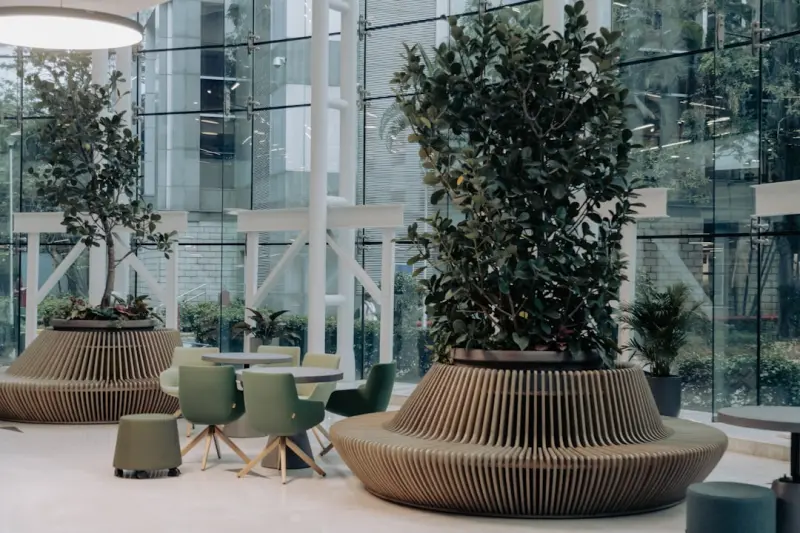
Imagine walking into a meeting room where the walls are alive with moss, the ceiling drips with gentle vines, and a subtle scent of pine drifts through the air. You settle into a chair that cradles you like a tree branch, and before you even open your laptop, you feel a quiet shift in your nervous system. This isn’t a sci‑fi fantasy; it’s the emerging reality of biophilic design—an intentional blending of nature and the built environment that’s reshaping our health at work.
Why We Need a Green Revolution Inside Our Offices
We’ve all heard the chorus about remote work fatigue, screen‑induced anxiety, and the constant hum of notifications that never truly shut off. While the flexibility of a home office can be a blessing, it also means we’re spending more hours in spaces that lack natural light, fresh air, and any hint of the outdoors.
Research from environmental psychology shows that humans have an innate affinity for nature—what we call biophilia. When we’re deprived of that connection, our cortisol levels spike, our immune response wanes, and cognitive performance drops. The result? A workforce that’s more prone to burnout, illnesses, and creative blocks.
The Science Behind Green Walls and Mood
Plants aren’t just decorative; they’re active participants in our physiological ecosystem. Here’s how they work:
- Air Quality Improvement: Through photosynthesis, indoor plants absorb carbon dioxide and release oxygen, while certain species (like Snake Plant and Peace Lily) filter volatile organic compounds (VOCs) such as formaldehyde and benzene.
- Microbial Diversity: Studies reveal that exposure to diverse indoor microbiomes—boosted by soil and plant life—can enhance our own microbiome, strengthening the gut‑brain axis and improving mood.
- Stress Reduction: Simply viewing greenery reduces activity in the amygdala, the brain’s fear center, and activates the parasympathetic nervous system, fostering a state of calm.
- Attention Restoration: Natural scenes provide “soft fascination,” allowing the brain’s directed attention networks to rest and replenish, which in turn sharpens focus when we return to demanding tasks.
In other words, a well‑curated indoor garden does more than please the eye—it actively rewires our stress response.
From Concept to Concrete: Implementing Biophilic Design
Integrating nature into the office doesn’t require a full‑scale rainforest makeover. Below are scalable strategies that any organization can adopt:
- Living Walls: Modular panels of moss, succulents, or ferns can be installed on empty walls. They’re low‑maintenance, visually striking, and can be customized to reflect brand colors.
- Natural Light Maximization: Re‑arrange workstations to face windows, use light‑diffusing blinds, and consider skylights where feasible. Even a simple desk lamp that mimics daylight can improve circadian rhythm alignment.
- Material Choices: Opt for wood, stone, and natural fibers over plastics and metals. These textures subtly cue the brain to associate the space with outdoors.
- Water Features: The gentle sound of a fountain can mask office noise and provide a meditative backdrop, reducing perceived workload intensity.
- Green Break Zones: Convert a portion of the breakroom into a mini‑garden with seating surrounded by plants. Encourage walking meetings in these spaces.
- Biophilic Art: Incorporate large‑scale photographs of forests, oceans, or mountains. While not living, they still trigger the brain’s restorative response.
Each of these interventions can be measured for impact—both in employee satisfaction surveys and in hard metrics like absenteeism and productivity.
Data‑Driven Health: Pairing Green Spaces With Wearable Tech
One of the most exciting frontiers is the fusion of biophilic environments with wearable health tech. Imagine an employee’s smartwatch detecting elevated heart rate variability (HRV) during a stressful conference call. The system could automatically suggest a five‑minute “green pause” in a nearby plant‑rich lounge, prompting the user to step away, breathe, and reset.
This synergy does more than provide a momentary reprieve—it creates a feedback loop where data informs environmental design, and design, in turn, optimizes health outcomes. Over time, the aggregated data can reveal which plant configurations most effectively lower cortisol spikes, enabling a dynamic, evidence‑based approach to office layout.
Micro‑Movements Meet Green Spaces
While a static plant can improve mood, combining it with subtle physical activity amplifies benefits. Micro‑movements for brain fitness have already shown that tiny shifts—standing, stretching, or a quick balance exercise—can boost neuroplasticity.
Place a low‑profile balance board near a living wall, or install a standing desk that encourages users to shift weight while gazing at a vertical garden. The integration of movement and nature creates a double‑dose of cognitive resilience: the brain receives fresh oxygen from the plants and fresh blood flow from the body.
Case Study: GreenTech Solutions’ Headquarters
GreenTech Solutions, a mid‑size software firm, piloted a biophilic overhaul in their downtown office. Over six months, they implemented:
- A 200‑square‑foot living wall in the open‑plan area.
- Desk clusters positioned to maximize window exposure.
- Smart‑desk sensors that logged HRV and prompted “green breaks”.
- Weekly “walk‑and‑talk” sessions in a newly created indoor garden corridor.
Results were striking:
- 30% reduction in self‑reported stress levels.
- 12% increase in average weekly productivity metrics (lines of code per developer).
- Absenteeism dropped from 6.2 days per employee per quarter to 4.1 days.
- Employee turnover declined by 15%.
These numbers underscore that the ROI of biophilic design isn’t just a “feel‑good” claim—it translates into measurable business performance.
Designing for Diversity: Inclusive Green Spaces
When we talk about health, we must consider diversity of needs. Some employees may have allergies to certain plants, while others may find particular scents overwhelming. Here’s how to create inclusive green environments:
- Allergy‑Friendly Selections: Opt for low‑pollen plants such as succulents, ZZ plants, or air‑purifying ferns.
- Neutral Scents: Avoid strongly aromatic species unless you know the space is well‑ventilated and the team is comfortable.
- Adjustable Lighting: Provide task lighting that can be dimmed for those sensitive to bright light.
- Quiet Zones: Not everyone thrives in a bustling garden. Offer secluded pods with minimal visual stimulation for deep work.
Beyond the Office: Bringing Biophilia Home
Many employees split their day between the office and home. Encouraging them to extend biophilic principles into their personal spaces can reinforce the benefits. Simple actions include:
- Placing a small herb garden on a kitchen windowsill.
- Using nature‑inspired artwork in home offices.
- Scheduling outdoor walks during lunch breaks.
- Investing in a compact desk‑top air‑purifying plant.
When the green thread weaves through both professional and personal realms, the cumulative impact on stress reduction, immune function, and mental clarity becomes profound.
Measuring Success: KPIs for Biophilic Health Initiatives
To justify ongoing investment, organizations should track key performance indicators (KPIs) that reflect both health outcomes and business results:
| Health KPI | Business KPI |
|---|---|
| Average HRV improvement | Productivity per employee |
| Reduced sick days | Turnover rate |
| Employee satisfaction scores (green space) | Client satisfaction / project delivery speed |
| Air quality metrics (PM2.5, VOCs) | Energy savings (natural lighting) |
Regularly reviewing these metrics helps fine‑tune the design, ensuring the space evolves with the team’s needs.
Getting Started: A 30‑Day Green Sprint
If your organization is ready to dip its toes into biophilic design, try a 30‑day sprint:
- Week 1 – Audit: Survey employees about current stressors and preferences for nature elements.
- Week 2 – Pilot: Install a modest living wall in a high‑traffic area and introduce a “green break” reminder in the company calendar.
- Week 3 – Integrate Tech: Pair the pilot with wearable data (if available) to track HRV and prompt breaks.
- Week 4 – Evaluate: Collect feedback, analyze health KPIs, and decide on scaling.
Even a small, data‑backed trial can reveal the transformative power of nature in the workplace.
Conclusion: Cultivating Health, One Leaf at a Time
Our modern work environment is a paradox: hyper‑connected yet increasingly disconnected from the natural world that keeps us physically and mentally resilient. By embracing biophilic design, we not only beautify our spaces but also lay down a tangible, science‑backed prescription for better health. From the subtle oxygen boost of a living wall to the calming rhythm of a water feature, each element is an invitation to breathe, move, and thrive.
It’s time to reimagine the office not as a sterile box of desks, but as a living ecosystem that nurtures the very people who drive innovation. When we do, the return on investment is measured not just in profit margins, but in the vibrancy of our teams, the robustness of our immune systems, and the clarity of our collective mind.

Deb Roberts is a freelancer who writes on various subjects, bringing versatility and depth to her work. Alongside her broad writing expertise, she has a special passion for horses.
Related Posts

Unlocking Everyday Energy: A Holistic Self‑Care Guide
Explore a comprehensive holistic self‑care routine that balances nutrition, movement, sleep, and m... Read More
Illuminating Health: How Office Lighting Shapes Energy, Focus, and Longevity
Explore the science behind circadian lighting and learn practical steps to transform your workspace ... Read More

Walking Meetings: Boosting Health and Productivity on the Move
Walking meetings transform stale office routines into dynamic health and productivity boosters, offe... Read More
Top Posts

Daytime Dozing, Nighttime Dreaming: Harnessing Narcolepsy for Creative Flow
Learn to transform narcolepsy’s sudden sleep intrusions into powerful creative moments using micro‑journaling, strategic naps, and a dream‑friendly enviro...Read More

Nighttime Battles: Turning Sleep Terrors into Tools for Healing
A personal guide to decoding sleep terrors, using grounding, environment tweaks, nutrition, and storytelling to turn nightly panic into peaceful sleep....Read More

Reimagining Cancer Care: A Holistic Playbook for Personal Empowerment
A fresh perspective on cancer care that blends environmental awareness, microbiome nutrition, purposeful movement, narrative healing, and technology to empower ...Read More
From Prediabetes to Balance: My Holistic Roadmap
A candid, step‑by‑step account of how I transformed prediabetes into balanced health using diet, mindful movement, stress reduction, and sleep strategies th...Read More
0 Comments
Post Comment
You will need to Login or Register to comment on this post!