

Why Curiosity Is the Missing Muscle in Brain Health
When I first started treating my mind like a gym, I realized the biggest oversight was assuming that cardio‑type cardio would suffice for cognitive stamina. In reality, the brain thrives on purposeful curiosity—the willingness to explore a question that has no immediate payoff but promises a fresh neural pathway. Each time you let a “what if” linger, you force your hippocampus to map new connections, and the prefrontal cortex to rehearse decision‑making strategies that were never on your radar. This isn’t a gimmick; it’s a disciplined habit akin to lifting a weight you can’t see, but that gradually reshapes the architecture of thought. My own experiments—spending ten minutes a day learning the basics of a foreign script, or puzzling over a vintage map—have shown that the after‑effects linger far longer than any coffee buzz, sharpening focus, deepening memory retention, and even nudging mood upward. Curiosity, then, becomes the hidden muscle that, when exercised consistently, builds a resilient, adaptable brain capable of thriving amid the noise of modern life.
The Science of Novelty: Neuroplasticity in Action
Neuroplasticity, the brain’s ability to rewire itself, is not a static property reserved for childhood; it is an ongoing dialogue between experience and circuitry that can be amplified by novelty. When you introduce an unfamiliar stimulus—whether it’s a new language, a musical instrument, or even a different walking route—the brain’s glutamate surge sparks long‑term potentiation, strengthening synaptic bonds and fostering the creation of dendritic spines. Recent imaging studies reveal that just fifteen minutes of deliberate novelty can light up the default mode network, a hub associated with creativity and problem solving, for up to an hour afterward. This cascade is why “brain‑training” apps that recycle the same puzzles quickly plateau; the neural reward system learns the pattern and stops firing. By contrast, a daily habit of “micro‑learning” in varied domains keeps the reward circuitry guessing, ensuring that dopamine release continues to fuel the growth of new pathways. In my own routine, swapping a morning crossword for a brief lesson in bird‑song identification has been a game‑changer, turning routine mental effort into a genuine neuro‑architectural upgrade.
Designing a Curiosity‑Driven Learning Routine
The cornerstone of a sustainable brain‑fitness program is a structured yet flexible learning schedule that honors the unpredictable nature of curiosity. Begin by carving out a “curiosity slot” of 10–15 minutes each day, ideally during a transition period—right after waking, before lunch, or during a commute—when the mind is primed for novelty. Choose a topic that feels slightly out of reach, such as the basics of quantum mechanics, the history of a distant cuisine, or the mechanics of a vintage camera; the key is that the subject should be unfamiliar enough to demand attention but not so obscure that it triggers frustration. Rotate subjects weekly to prevent habituation: week one could be visual art theory, week two a beginner’s guide to sign language, week three a deep dive into planetary geology. Pair this with an active learning method—note‑taking, sketching, or teaching the concept aloud to an imagined audience—to engage the motor cortex and cement memory. I personally keep a small “Curiosity Notebook” where I jot down the date, the subject, and a single insight I gleaned; this simple habit transforms fleeting wonder into a measurable habit that my brain can recognize and reward.
Crafting a Brain‑Friendly Environment
Even the most diligent curiosity schedule can be sabotaged by a chaotic environment that constantly pulls attention away from deep thinking. To protect your mental space, adopt a minimalist approach to both physical and digital clutter: clear your desk of non‑essential items, use a single‑color background on your computer, and mute non‑critical notifications during your curiosity slot. A subtle yet powerful addition is the creation of a sensory sanctuary—a dedicated nook with soft lighting, a touch of natural texture, and perhaps a low‑volume ambient soundtrack that encourages focus without distraction. For inspiration on how to build such a sanctuary, see Building a Sensory Sanctuary: Simple Tools to Calm the Mind. Additionally, integrating brief nature immersions, such as a five‑minute walk among trees, can boost oxygen flow to the prefrontal cortex, enhancing concentration and memory consolidation. By curating an environment that minimizes friction and maximizes subtle sensory cues, you set the stage for curiosity to flourish, allowing your brain to dive deeper into new material without the constant pull of external noise.
The Social Dimension of Cognitive Growth
Our brains are inherently social organs, and the act of sharing knowledge or debating ideas ignites a cascade of neural processes that individual study alone cannot replicate. Engaging in a “teach‑back” conversation forces you to reorganize information, anticipate counter‑arguments, and articulate concepts clearly—all of which activate the left‑hemisphere language centers and the right‑hemisphere integration zones simultaneously. I’ve found that hosting a weekly “Curiosity Circle” with friends—where each person presents a three‑minute teaser on their current learning pursuit—creates a feedback loop of curiosity, accountability, and communal reinforcement. The group dynamic also introduces an element of surprise: you may discover a participant’s expertise in a field you never considered, prompting you to explore an entirely new domain. This social scaffolding not only deepens your own understanding but also strengthens the brain’s default mode network, the same circuitry that underlies empathy and perspective‑taking. In practice, the simple act of asking a colleague “What’s the most interesting thing you learned this week?” can become a catalyst for mutual intellectual growth.
Movement, Breath, and Temperature: Physical Catalysts
Physical states heavily influence the brain’s capacity to absorb and retain new information, and there are three low‑effort levers you can pull to amplify your curiosity sessions: movement, breath, and temperature. A brief series of dynamic stretches or a 3‑minute walk before diving into a new topic raises heart‑derived BDNF (brain‑derived neurotrophic factor), a protein that supports synaptic plasticity. Controlled breathwork—inhale for four counts, hold for two, exhale for six—activates the vagus nerve, reducing cortisol and creating a calm mental backdrop where novelty can be processed without anxiety. Finally, a short exposure to cool air, such as a cold shower or a plunge into a brisk pool, triggers a surge of norepinephrine, sharpening focus and alertness. For those interested in the science behind temperature hacks, the article Cold Exposure for Men: Boosting Hormones, Health, and Performance offers a deeper dive. By integrating these three physical cues into your daily routine, you create a physiological “green light” for the brain to welcome new challenges and solidify the learning that follows.
Measuring Mental Gains Without Obsession
Tracking progress is essential for any fitness regimen, but when it comes to brain health, the metrics should be simple, qualitative, and encouraging rather than data‑driven perfection. Start by maintaining a concise log in your Curiosity Notebook: note the date, the subject, the duration, and a one‑sentence reflection on how the material felt—was it exhilarating, confusing, or enlightening? Over weeks, scan for patterns such as increased ease in recalling details or a heightened willingness to tackle unfamiliar topics. A second, optional metric is the “mental stamina test”: after a month of consistent curiosity practice, set a timer for 20 minutes and see how many new concepts you can engage with before mental fatigue sets in; a longer window indicates improved executive function. The goal isn’t to become a neuro‑scientist tracking EEG waves but to develop an intuitive sense that your brain feels sharper, more adaptable, and less prone to the fog that once plagued late‑night work sessions. By keeping measurement light and reflective, you avoid the trap of over‑analysis while still celebrating tangible cognitive growth.
Putting It All Together: Your First 30‑Day Brain Fitness Challenge
Ready to turn curiosity into a habit that reshapes your brain? Here’s a straightforward 30‑day plan: (1) Reserve a 12‑minute “curiosity window” each morning; (2) Choose a fresh topic every week, rotating between arts, sciences, languages, and practical skills; (3) Prepare your environment by decluttering your workspace and adding a calming sensory element, guided by Building a Sensory Sanctuary; (4) Begin each session with three minutes of light movement and breathwork; (5) End the week by sharing a concise takeaway with a friend or group. Track your experience in a notebook, noting any moments of insight or increased mental clarity. At the end of the month, reflect on how your attention span, memory recall, and overall enthusiasm for learning have shifted. If you notice a spark, keep extending the practice, layering more complex subjects and deeper social exchanges. In my own journey, this structured curiosity sprint unlocked a level of mental agility that made problem‑solving at work feel effortless and turned idle downtime into a playground for intellectual exploration. Embrace the challenge, and watch your brain flourish like never before.

Craig Brett is a freelancer with a passion for the outdoors. His love for nature inspires his work, bringing authentic and engaging perspectives to projects related to outdoor activities, adventure, and environmental topics.
Related Posts
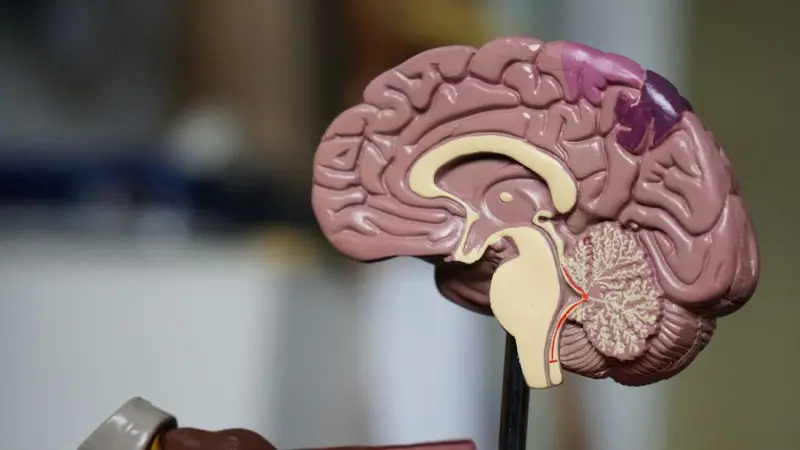
Neuro‑Nourishment: How Everyday Curiosity Fuels Brain Vitality
A practical guide that shows how tiny moments of curiosity, paired with sound, humor, and gut-friend... Read More

The Brain‑Boosting Power of Learning a New Language
Learning a new language isn’t just cultural enrichment—it’s a powerful brain workout. This pos... Read More
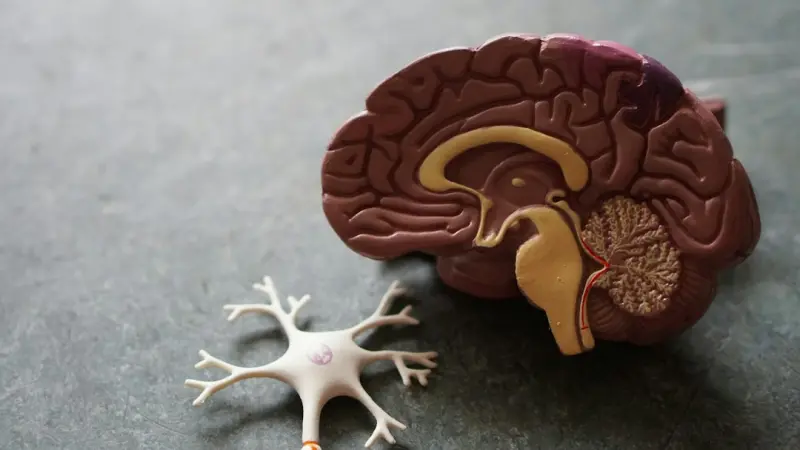
Neuro‑Hygiene: A Daily Playbook for Brain Health
A practical guide to daily neuro‑hygiene, offering micro‑recovery breaks, focused learning sprin... Read More
Top Posts
The Intersection of Mental Health and Preventive Care
Explore the intersection of mental health and preventive care, and discover how prioritizing your mental well-being can improve your overall health and happines...Read More

The Modern Man’s Blueprint: Holistic Health Strategies That Actually Work
Paul Gray shares a realistic, data‑driven holistic health blueprint for men, covering nutrition, movement, detox, and mental resilience to boost performance a...Read More

Cold Exposure: The Underrated Secret to Men’s Health and Performance
Explore the science and practical steps behind using cold exposure to improve men’s vitality, hormone balance, and mental resilience....Read More

Turning the Tide: Storytelling & Systems in Cancer Care
A deep dive into how storytelling, real‑time data, and purposeful environment design can transform the cancer journey, turning fear into empowerment and foste...Read More
0 Comments
Post Comment
You will need to Login or Register to comment on this post!