
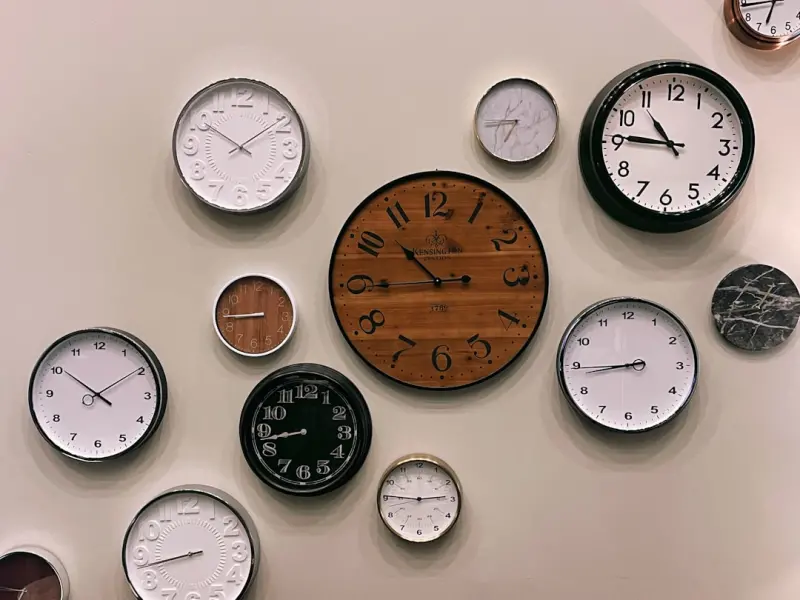
When Your Internal Clock Gets the Wrong Invite
It’s one of those moments you notice only after the sun has already set: you stare at the ceiling, the house is quiet, and the mind begins to compile a to‑do list that feels more urgent than the one you left at the office. You’ve heard the advice about “just go to bed earlier” or “turn off the screens,” yet the night stretches on, stubbornly awake. The culprit, in many cases, isn’t a lack of routine or a missing pillow—it’s a misalignment between your innate chronotype and the schedule you’ve been forced to live by.
Chronotype 101: The Biological Signature of Your Day
Every human body carries a built‑in rhythm, a circadian signature that determines when we feel most alert and when we naturally drift toward sleep. Some people are “larks,” thriving in the early morning light; others are “owls,” whose creative spark ignites after dusk. The science behind this isn’t new, but the modern workplace has turned it into a silent battlefield. When your natural peak clashes with a 9‑to‑5 grind, the brain’s sleep‑pressure system gets a mixed signal: “I’m supposed to wind down now, but my internal alarm is still buzzing.” The result? A restless night that feels less like a problem and more like a symptom of a deeper mismatch.
Why the Usual Fixes Miss the Mark
Typical insomnia advice focuses on external factors—screen time, caffeine, bedroom temperature. While these are valid pieces of the puzzle, they assume a one‑size‑fits‑all approach. If your chronotype tells you to stay awake until 11 p.m., dimming the lights at 8 p.m. won’t magically convince your brain to switch off. The “just sleep more” mantra, popular in many sleep guides, collapses under this reality. Instead, we need a strategy that respects the body’s natural timetable and gently nudges it into a new alignment without forcing a harsh reset.
Three Practical Steps to Harmonize Your Clock
- Identify Your Chronotype – Take a quick online questionnaire or simply observe when you feel most energetic without caffeine. Note the window when you naturally start to feel sleepy.
- Shift Your Schedule Incrementally – If possible, negotiate a flexible start time at work. Move your wake‑up and bedtime by 15‑minute blocks over a week until they align more closely with your internal rhythm.
- Use Light as a Reset Lever – Morning sunlight is the most potent cue for advancing your internal clock. Spend at least 20 minutes in natural light within an hour of waking. In the evening, dim bright lights and avoid blue‑rich bulbs to signal that night is approaching.
The Role of Environmental Cues Beyond Light
While light is the dominant zeitgeber, other sensory inputs can reinforce the message that it’s time to wind down. A subtle aroma, like lavender or cedar, can cue the brain that relaxation is near. This concept aligns with the ideas explored in The Sensory Reset: How Aroma, Touch, and Sound Reboot Your Day. By integrating a consistent scent routine—perhaps a calming diffuser during your pre‑sleep wind‑down—you create a multi‑sensory association that deepens the cue, making it easier for your brain to transition into sleep mode.
When Chronotype Conflict Meets Stress
Stress amplifies the misalignment problem. The body’s cortisol curve—peaking in the early morning and tapering by night—gets hijacked when you constantly push against your natural rhythm. Elevated cortisol at night keeps the nervous system on high alert, turning the bedroom into a battlefield rather than a sanctuary. Recognizing this, you can introduce brief mindfulness or breathwork sessions after work to lower cortisol levels, paving the way for a smoother sleep onset.
Technology as a Double‑Edged Sword
Wearable trackers now give us unprecedented insight into our sleep stages, heart rate variability, and even skin temperature. When used wisely, they can confirm whether your chronotype shift is taking effect. However, obsessively checking these numbers can backfire, feeding the very anxiety that disrupts sleep. Treat the data as a gentle compass, not a scoreboard. For a broader perspective on using personal metrics for health, see Turning Data Into Hope: How Personal Metrics Empower Cancer Journeys.
Re‑framing Insomnia: From Enemy to Messenger
Instead of viewing sleeplessness as a failure, see it as a message from your body’s timing system. It’s saying, “I’m being asked to operate outside my comfort zone.” By listening, you can adjust the external demands rather than forcing your biology to bend. This shift in perspective reduces the shame often attached to insomnia and opens up a collaborative pathway with your own physiology.
Putting It All Together: A Sample Evening Blueprint
Below is a simple, chronotype‑friendly routine you can adapt to your own schedule. Adjust the times according to whether you’re a lark or an owl.
- Morning (7:00 am–8:00 am) – 20 minutes of sunlight exposure on a balcony or near a window; a light protein‑rich breakfast.
- Mid‑Day (12:00 pm–1:00 pm) – A brief walk outside; a mindful pause to assess stress levels.
- Afternoon (3:00 pm–4:00 pm) – Light stretching or micro‑movement break to keep circulation flowing.
- Evening (6:00 pm–7:00 pm) – Dinner with balanced macros; avoid caffeine after 2 pm.
- Pre‑Bed (9:00 pm–9:30 pm) – Dim lights, start a lavender diffuser, engage in a low‑stimulation activity (reading, gentle journaling).
- Bedtime (10:00 pm) – Consistent sleep window; keep the bedroom cool and quiet.
Final Thought: Align, Adjust, and Rest Easy
Insomnia often feels like a stubborn adversary, but when you trace its roots to chronotype mismatch, the solution becomes less about fighting and more about aligning. By honoring your body’s natural clock, integrating sensory cues, and using technology as a supportive tool rather than a stressor, you can transform restless nights into restorative sleep. The journey isn’t instantaneous, but each small adjustment builds momentum, guiding you toward a night where the ceiling no longer feels like a battlefield, but a gentle canvas for dreaming.

Related Posts
How Temperature, Air, and Light Shape Your Sleep – A Practical Guide
A deep dive into the often‑overlooked factors of temperature, air, and light that sabotage sleep, ... Read More

The Nighttime Brain Hijack: Why Insomnia Thrives in High‑Performance Culture
Insomnia isn’t just a sleep problem for high‑achievers; it’s a brain hijack fueled by decision... Read More

Digital Detox Rituals: Reclaiming Sleep in the Age of Hyper‑Connectivity
A step‑by‑step digital detox ritual combines light management, ambient soundscapes, mindful nutr... Read More
Top Posts
The Real Cost of Vaping: Budgeting, Taxes, and Long‑Term Savings
Explore the hidden expenses, tax implications, and budgeting strategies of vaping. This guide helps you understand the true cost and decide if switching saves m...Read More
Chrono‑Nutrition: Aligning Meals with Your Body Clock for Healthy Aging
Chrono‑nutrition syncs meal timing with your internal clock, enhancing metabolism, reducing inflammation, and supporting brain and muscle health for a more vi...Read More

Breaking the Cloud: A Holistic Look at Smoking & Vaping
Explore the hidden harms of smoking and vaping, and learn practical, holistic strategies—nutrition, breathwork, and community support—to break free and recl...Read More

Beyond Juice: How Breath, Cold, and Microbes Redefine Body Detox
Forget the fad juice cleanse. Dive into a science‑backed detox that leverages breathing, cold, and a thriving gut microbiome for a deeper, lasting cleanse....Read More
0 Comments
Post Comment
You will need to Login or Register to comment on this post!