
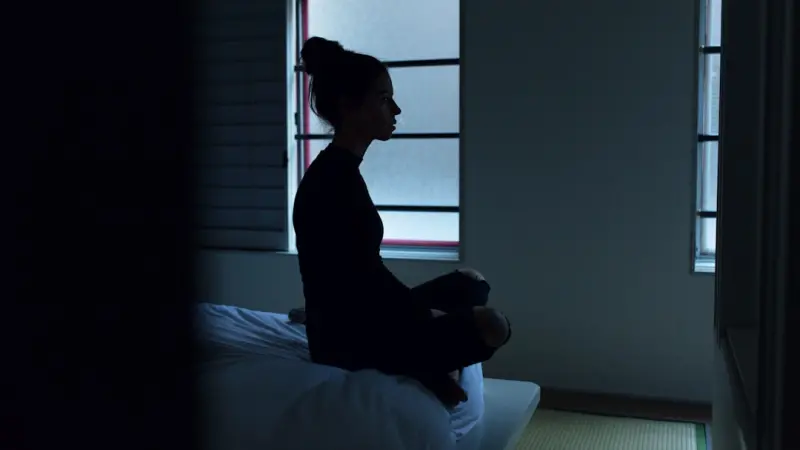
Why Your Bedroom Might Be the Missing Piece in Your Insomnia Puzzle
When I first started keeping a sleep diary, I expected the culprit to be obvious—late‑night emails, caffeine spikes, or the occasional stressful deadline. What I discovered instead was a silent saboteur lurking in the very room where I was supposed to unwind: the environment itself. The walls, the light, the temperature, even the texture of the sheets were conspiring against a restorative night’s sleep. If you’ve ever stared at the ceiling for hours, wondering why you can’t “just fall asleep,” you’re not alone. The truth is, the bedroom is a powerful lever you can adjust, and doing so may be the most pragmatic step you take toward breaking the insomnia cycle.
Understanding the Science Behind a Sleep‑Friendly Space
Insomnia isn’t simply a matter of “willpower” or “mental discipline.” It’s a physiological response to mismatched cues. Your body relies on environmental signals to determine when it’s time to wind down. When those signals are inconsistent—bright LEDs flashing from a phone, a bedroom that’s too warm, a mattress that sags—your internal clock receives mixed messages and stays on high alert.
Research in chronobiology shows that light exposure is the dominant zeitgeber (time‑giver) for the suprachiasmatic nucleus, the brain’s master clock. Blue‑rich light suppresses melatonin, the hormone that tells us it’s bedtime. Similarly, temperature fluctuations influence the hypothalamus, which orchestrates the drop in core body temperature that precedes sleep.
In short, the bedroom can either be a sleep sanctuary—a place that cues relaxation—or a sleep minefield that keeps you wired. The good news? You have complete control over the variables that matter most.
Lighting: From Bright to Blissful
Most of us treat lighting as an afterthought, but the type, intensity, and timing of light exposure are central to resetting your sleep rhythm.
- Dim the lights an hour before bed. Switch to warm, low‑intensity bulbs (2700 K or lower). This signals to your pineal gland that night is approaching.
- Use smart bulbs or timers. Automating a gradual dimming schedule reduces the temptation to stay up scrolling.
- Consider a red night‑light. Red wavelengths have minimal impact on melatonin production, making them ideal for bathroom trips after lights out.
If you find yourself reaching for your phone after dark, try mental decluttering techniques: a quick journal entry or a short meditation can satisfy the urge to “process” without the bright screen.
Temperature: The Cool Secret to Falling Asleep Faster
Our bodies are wired to shed heat as we drift off. A bedroom that’s too warm (above 70 °F / 21 °C) delays this natural cooling, prolonging the time it takes to fall asleep. Conversely, a room that’s too cold can cause shivering, which also disrupts sleep.
Here’s how to strike the perfect balance:
- Set your thermostat to 65–68 °F (18–20 °C). This range promotes the mild drop in core temperature needed for sleep onset.
- Use breathable bedding. Natural fibers like cotton, linen, or bamboo wick away moisture and help regulate temperature.
- Employ a fan or a white‑noise machine. The gentle airflow not only cools the room but masks disruptive sounds.
Soundscape: From Background Noise to Sleep‑Inducing Ambience
Even if you think you’re a light sleeper, subtle noises can fragment REM cycles. The solution isn’t always silence; it’s the right kind of sound.
- White or pink noise. These steady sounds mask sudden spikes (like traffic) and create a consistent auditory backdrop.
- Nature recordings. The gentle rush of a stream or rustling leaves can trigger a relaxation response, especially when paired with a dimly lit room.
- Earplugs. For those who can’t tolerate any background sound, high‑fidelity earplugs are a simple, low‑cost fix.
Furniture & Layout: Positioning for Peace
It’s not just about the mattress; the entire layout influences stress levels.
- Choose a supportive mattress. A medium‑firm feel aligns the spine and reduces pressure points, both of which can cause micro‑awakening during the night.
- Keep electronics off the nightstand. Even turned‑off devices emit electromagnetic fields that some people find disruptive.
- Arrange the bed away from windows. External light sources—streetlights, early sunrise—can infiltrate your sleep environment. Heavy curtains or blackout blinds are essential.
Scents and Aromatherapy: The Olfactory Path to Calm
Our sense of smell is directly linked to the limbic system, the brain region governing emotions and memory. Certain aromas have been shown to improve sleep latency and quality.
- Lavender. Clinical trials report a 12‑minute reduction in time to fall asleep when using lavender oil diffusers.
- Chamomile. A mild, soothing scent that can be paired with a warm herbal tea routine.
- Jasmine. Though more uplifting, it can promote deeper, more restorative sleep in moderate amounts.
When introducing a new scent, start with a low concentration; overwhelming fragrances can be counterproductive.
Integrating Nutrition Timing for Sleep Success
While we’re focusing on the physical space, the timing of meals also sends signals to the brain about when it’s “day” versus “night.” Aligning dinner with your natural circadian rhythm can reinforce the bedroom’s cues.
For a practical guide, see strategic meal timing. In short, aim to finish your last substantial meal at least two to three hours before lights out, and keep it low in sugar and refined carbs.
Micro‑Rituals: Small Actions, Big Sleep Gains
Before you crawl into bed, establish a consistent pre‑sleep routine that your brain can associate with wind‑down. The ritual doesn’t need to be elaborate—just predictable.
- Brush teeth, wash face, dim lights.
- Spend five minutes stretching or practicing gentle yoga poses.
- Write down three things you’re grateful for; this shifts focus from worry to positivity.
These micro‑rituals are the mental equivalent of a “soft reset” button, preparing you for the deep restorative phase of sleep.
Technology: When Gadgets Help (and When They Hurt)
Not all tech is a sleep antagonist. Wearable sleep trackers can reveal patterns you might otherwise miss, such as frequent awakenings or restless leg movements. Use the data to tweak your environment, but avoid becoming obsessed with “perfect” numbers.
Conversely, blue‑light‑filtering glasses, especially those with amber lenses, can blunt the impact of screens if you must work late. Pair them with the dimming strategies above for a cohesive approach.
Putting It All Together: A Night‑by‑Night Blueprint
Below is a step‑by‑step checklist you can implement tonight. The goal isn’t to overhaul everything at once—incremental changes are more sustainable.
- Two hours before bedtime: Switch off bright screens or enable night mode. Dim overhead lights to a warm hue.
- One hour before bedtime: Prepare a light snack if needed (e.g., a banana or handful of almonds). Begin your micro‑ritual—stretch, journal, or meditate.
- Thirty minutes before bedtime: Lower the thermostat, turn on a fan or white‑noise machine, and light a lavender diffuser.
- Fifteen minutes before bedtime: Close curtains, ensure the room is dark, and set your smart bulb to “sleep” mode.
- At lights out: Slip into breathable bedding, keep the phone out of reach, and focus on slow, rhythmic breathing.
Follow this routine for a week, then assess changes using a simple sleep log. You’ll likely notice a reduction in sleep latency and an improvement in sleep continuity.
When to Seek Professional Help
If you’ve optimized your sleep sanctuary and still find yourself tossing and turning for more than 30 minutes on a regular basis, it may be time to consult a sleep specialist. Persistent insomnia can be a symptom of underlying conditions such as anxiety disorders, restless leg syndrome, or sleep apnea. A clinician can run a sleep study, evaluate hormonal imbalances, or recommend cognitive‑behavioral therapy for insomnia (CBT‑I), which remains the gold standard treatment.
Final Thoughts: Your Bedroom, Your Ally
Insomnia often feels like an internal battle, but the environment you surround yourself with can tip the scales in your favor. By treating your bedroom as an intentional sleep sanctuary—adjusting light, temperature, sound, scent, and layout—you create a powerful, non‑pharmacologic ally against restless nights. Start small, stay consistent, and let the science of design guide you back to restorative sleep.

Deb Roberts is a freelancer who writes on various subjects, bringing versatility and depth to her work. Alongside her broad writing expertise, she has a special passion for horses.
Related Posts

When the Night Won’t Let You Rest: Turning Insomnia into a Personal Growth Tool
Discover how to use wearables, environmental tweaks, and mindful journaling to decode insomnia’s s... Read More

Breaking the Cycle of Insomnia: A Holistic Approach to Better Sleep
Insomnia is a common problem that affects millions of people worldwide. Learn how to break the cycle... Read More

From Restless Nights to Restful Dawn: My Holistic Journey Out of Insomnia
A personal narrative revealing how gut health, hormonal balance, mindful movement, and a soothing en... Read More
Top Posts

Nutrient Pairing Alchemy: Turning Everyday Meals into Bioavailability Boosters
Learn why combining specific foods can dramatically improve nutrient absorption and overall performance. This guide offers science‑backed pairings, timing str...Read More

Turn Your Workout into a Personal Epic
Learn to turn each training session into a narrative adventure, using the hero’s journey framework, breath, music, and personalized rituals to stay motivated ...Read More

Gut Health Unlocked: My Holistic Path to a Happy Microbiome
A personal guide to nurturing your gut through diet, mindful habits, and whole-body detox, revealing how a balanced microbiome fuels overall vitality....Read More

Narrative Medicine: Redefining the Cancer Journey
A deep dive into how integrating patient stories into oncology care can boost resilience, improve treatment adherence, and humanize the cancer experience....Read More
0 Comments
Post Comment
You will need to Login or Register to comment on this post!