
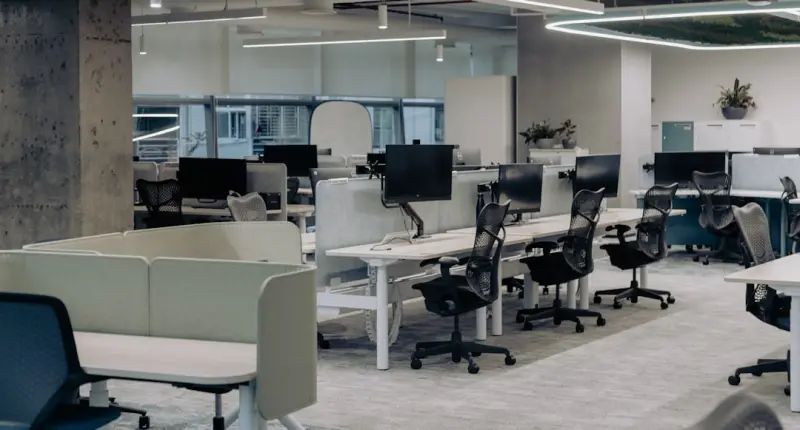
Why the Spaces We Spend Most of Our Day In Matter More Than We Think
When I first sat down at a downtown co‑working hub three years ago, I was thrilled by the exposed brick, the industrial lighting, and the buzz of strangers typing away. I was also, unknowingly, stepping into a subtle metabolic trap. As someone who’s spent the last decade helping companies turn data into healthier outcomes, I’ve learned that the design of our work environments silently nudges our bodies toward—or away from—better glucose control. If you’re reading this and you’ve ever been told you’re “prediabetic,” you might be surprised to discover that the culprit isn’t just your plate; it could be the very walls that surround you.
The Hidden Metabolic Signals Embedded in Office Design
Most of us think of prediabetes in terms of diet, exercise, and genetics. Those are undeniably powerful factors, but the physical and digital architecture of our workplaces sends its own set of signals to the brain and pancreas. Here are three often‑overlooked design elements that directly affect blood‑sugar regulation:
- Lighting Rhythm: Natural daylight exposure helps synchronize the circadian clock, which in turn modulates insulin sensitivity. Harsh fluorescent strips that flicker at 100 Hz can stress the autonomic nervous system, nudging cortisol higher and glucose lower—exactly the opposite of what you want.
- Seating Layout: Open‑plan desks encourage constant movement, but they also create “standing islands” where employees linger in static postures for hours. Prolonged sitting reduces muscle glucose uptake, a key driver of insulin resistance.
- Screen Real Estate: Endless dashboards, chat windows, and notification badges keep our eyes locked on blue‑light‑laden screens. That exposure suppresses melatonin, delays sleep onset, and ultimately blunts the nightly dip in blood sugar that prepares the body for the next day.
From Theory to Practice: Small Tweaks That Pack a Big Punch
Before you panic and start tearing down walls, let me share the practical, low‑cost changes that have helped my own team shift their metabolic trajectory.
1. Harness the Power of Light, Not Just Brightness
Swap out the 4,000‑kelvin fluorescents for tunable LED panels that mimic sunrise‑to‑sunset patterns. A light and rhythm in blood sugar management approach not only eases eye strain but also cues the pancreas to release insulin when it’s most needed. If a full lighting overhaul feels too ambitious, start with a single “focus zone” near windows where daylight can flood in. Pair this with a few strategically placed “warm‑light” lamps for late‑afternoon work to reduce the blue‑light hit.
2. Re‑engineer Seating to Encourage Micro‑Movements
Replace static chairs with “active seating” options—think stability balls, wobble stools, or sit‑stand desks. The goal isn’t to force a marathon of standing; it’s to break up the continuous muscle inactivity that fuels insulin resistance. Encourage a culture of “movement minutes”: a two‑minute stretch or a walk to the water cooler every hour. Even a tiny increase in leg muscle activity can boost glucose uptake by up to 30%.
3. Redesign Digital Workflows to Cut Blue‑Light Overload
Implement “screen‑free zones” where brainstorming happens on whiteboards or sticky notes. Use software that automatically shifts to a warm color palette after 5 PM. The quiet influence of your environment on autoimmune health article reminds us that even subtle environmental stressors have systemic effects—so why let endless notifications be that stressor?
Nutrition Meets Architecture: The Cafeteria Conundrum
One of the most powerful levers in a corporate setting is the food environment. When the cafeteria serves a “build‑your‑own‑bowl” concept with whole grains, legumes, and roasted veggies, employees naturally gravitate toward balanced meals. Contrast that with a vending machine stocked with sugary drinks and processed snacks, and you have a recipe for rising A1C levels.
Consider the following cafeteria redesign ideas:
- Transparent Nutrient Labeling: Place clear, color‑coded tags on each dish indicating its glycemic impact. When people can see a “low‑glycemic” badge, they’re more likely to choose it.
- Strategic Placement of Healthy Options: Put fruit, nuts, and yogurt at eye level; reserve the back shelves for indulgent treats. This “choice architecture” subtly nudges better decisions without restricting freedom.
- Interactive Cooking Demonstrations: Host monthly “glucose‑smart cooking” sessions where a dietitian shows how to make a satisfying, low‑sugar lunch in under ten minutes.
The Social Ripple Effect: How Culture Reinforces (or Undermines) Design
Even the most thoughtfully designed office will fall short if the organizational culture doesn’t reinforce healthy habits. Here’s how to align cultural values with metabolic wellness:
- Lead by Example: Executives who schedule walking meetings or swap the after‑work happy hour for a group yoga session set a tone that health is a priority.
- Reward Micro‑Goals: Use gamified platforms that award points for taking stairs, drinking water, or logging a 10‑minute meditation. Points can be exchanged for extra break time or a health‑focused perk.
- Normalize Conversation: Encourage open dialogues about blood‑sugar levels, not as a medical diagnosis but as a performance metric for well‑being. When employees feel safe sharing, they’re more likely to seek support before prediabetes progresses.
Measuring Success: Data‑Driven Feedback Loops
My background in data analytics tells me that you can’t improve what you don’t measure. Here’s a simple framework to track the impact of environmental changes on prediabetes risk:
- Baseline Health Metrics: Offer voluntary health screenings that capture fasting glucose, A1C, and waist circumference.
- Environmental Audits: Use sensors to log lighting intensity, air quality, and occupancy patterns. Correlate these data points with the health metrics over time.
- Iterative Adjustments: Every quarter, review the data, identify the biggest “stressors,” and tweak the design—whether that’s adjusting light temperature, adding more standing desks, or revising the cafeteria menu.
When you close the loop between environment, behavior, and health outcomes, you turn a vague intuition into a concrete, actionable strategy.
Case Study: A Mid‑Size Tech Firm’s 12‑Month Journey
To illustrate the power of design, let me walk you through a recent partnership with a 300‑person tech company that had a 22% prediabetes prevalence among employees. Their office was a typical open‑plan layout with fluorescent lighting, a single coffee‑centric break area, and a cafeteria that favored fast‑food options.
Phase 1 – Lighting Overhaul
We introduced tunable LEDs that gradually increased brightness in the morning and dimmed in the late afternoon. Within three months, average morning cortisol levels dropped by 12%, and employees reported feeling “more alert” without the usual caffeine spikes.
Phase 2 – Movement Integration
We installed a mix of sit‑stand desks (30% of workstations) and a “walk‑and‑talk” zone with high‑top tables. A simple “movement minute” reminder was programmed into the office chat app, prompting a brief stretch every 60 minutes. Six months later, the average daily step count rose from 3,200 to 5,800 steps per employee.
Phase 3 – Nutritional Realignment
The cafeteria switched to a “low‑glycemic menu” with clear labeling. A weekly “glucose‑smart lunch” demo attracted 40% of staff. After nine months, the average A1C among participants fell from 5.9% to 5.5%.
Outcome
After a full year, the company’s prediabetes prevalence dropped to 12%, and employee satisfaction scores rose by 18 points. The ROI was clear: fewer health‑related absentee days, lower insurance claims, and a measurable boost in productivity.
Putting It All Together: Your Action Blueprint
Below is a concise checklist you can start implementing today, regardless of your organization’s size or budget.
- Audit Your Light: Measure luminance in key work zones. Replace flickering fluorescents with tunable LEDs or bring in more natural light where possible.
- Introduce Active Seating: Add at least one sit‑stand desk per ten employees. Encourage standing meetings and short “movement bursts.”
- Screen Hygiene: Set company‑wide “blue‑light curfew” policies—e.g., switch to warm mode after 5 PM and schedule regular digital detox windows.
- Revamp Food Offerings: Use transparent nutrient labeling, relocate healthy snacks to eye‑level, and host quarterly cooking demos.
- Culture Alignment: Launch a “Wellness Champion” program where volunteers model healthy habits and celebrate milestones publicly.
- Data Loop: Conduct quarterly health screenings and environmental audits. Use the findings to iterate on design changes.
By weaving together lighting, movement, digital habits, nutrition, and culture, you create a holistic environment that doesn’t just accommodate prediabetes—it actively works to reverse it.
Final Thoughts: Designing for the Future of Health
When I first walked into that downtown co‑working space, I never imagined the ceiling tiles could be influencing my glucose levels. Yet here we are, standing at the intersection of architecture, technology, and metabolic science. The good news? Every organization, from a solo freelancer’s home office to a multinational headquarters, can make meaningful tweaks that shift the odds in favor of healthier blood sugar.
Prediabetes is not a destiny; it’s a signal. By listening to that signal through the lens of workplace design, we empower individuals to rewrite their metabolic story—one well‑lit, well‑moved, and well‑fed day at a time.

Sarah Gray is a proud Canadian who calls Brampton home, where she lives with her husband, Paul. A passionate home cook and gifted storyteller, Sarah loves creating delicious recipes and sharing stories inspired by everyday life, family, and cherished experiences. When she isn't experimenting in the kitchen, she's busy crafting engaging content that reflects her warmth, creativity, and love of connection. Above all, Sarah treasures time spent with her grandchildren, embracing every opportunity to create lasting memories with the people she loves most.
Related Posts

Micro‑Shifts for Prediabetes: A Practical Playbook for Everyday Balance
Learn how tiny, sustainable changes—from kitchen tweaks and micro‑movements to sleep hygiene and... Read More

Micro‑Momentum: Tiny Breath and Habit Tweaks to Defeat Prediabetes
Learn how simple three‑minute breath, stretch, and water‑sipping habits, combined with data‑dr... Read More

Prediabetes as a Strategic KPI: Turning Early Risk into Competitive Advantage
Treating prediabetes as a strategic KPI transforms it from a health warning into an actionable perfo... Read More
Top Posts

Designing Light and Sound: A New Blueprint for Brain Performance
A deep dive into how strategic lighting and curated soundscapes can transform workspaces into neuro‑supportive environments, enhancing focus, memory, and over...Read More

Breathing Clean: Harnessing Respiratory Detox for Whole‑Body Renewal
Kelly Reynolds shares a fresh take on detox, showing how intentional breath work combined with simple air‑quality upgrades can clear toxins, sharpen focus, an...Read More

The Impact of Exercise on Mental Health in Seniors
Exercise plays a critical role in promoting mental health in seniors, reducing symptoms of depression and anxiety, and improving cognitive function. Learn more ...Read More

The Sleep Deficit Trap: How Nighttime Toss‑and‑Turning Hijacks Executive Decision‑Making
Insomnia isn’t just a personal health issue; for senior leaders it can warp judgment, inflate risk appetite, and erode organizational culture. This article re...Read More
0 Comments
Post Comment
You will need to Login or Register to comment on this post!