
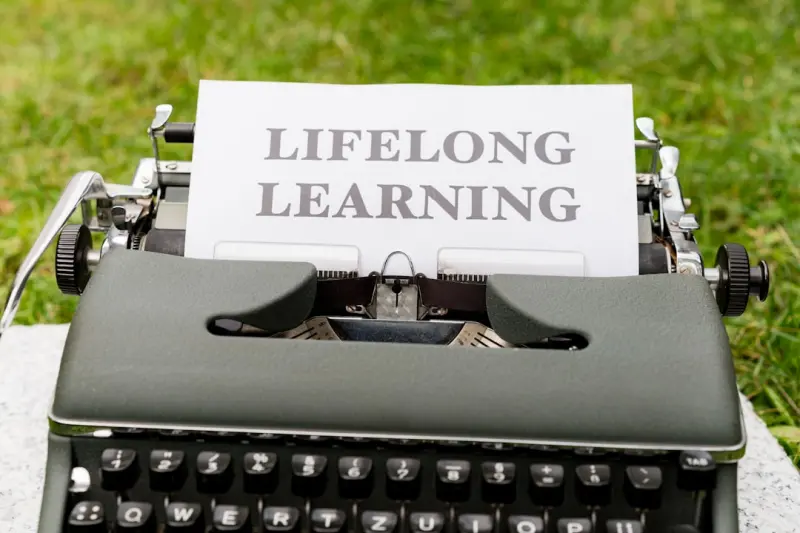
Curiosity as a Longevity Engine: How Lifelong Learning Fuels Healthy Aging
When I first stepped into a community college art class at age sixty‑three, I expected to pick up a few brushstrokes and call it a day. What I didn’t anticipate was the rush of dopamine that comes from wrestling with a new technique, the subtle way my brain lit up when I finally nailed perspective, and the lingering sense of purpose that followed. That surprise is the seed of a larger truth: curiosity isn’t just a hobby—it’s a neuro‑protective habit that can keep our bodies and minds feeling vibrant well into our golden years.
The Science Behind “Curiosity‑Driven” Aging
Neuroscientists have long known that the brain thrives on novelty. When we encounter something unfamiliar, the hippocampus—our internal GPS for memory—springs into action, forming new connections and strengthening existing ones. This process, known as neuroplasticity, is the same mechanism that underlies learning a language, mastering a musical instrument, or even navigating a new neighborhood.
Research shows that older adults who regularly challenge themselves with new skills demonstrate:
- Improved executive function—the mental “switchboard” that handles planning, multitasking, and problem solving.
- Greater resilience to stress—novel experiences trigger the release of brain‑derived neurotrophic factor (BDNF), a protein that helps neurons survive stressful events.
- Enhanced mood—the anticipation of learning releases dopamine, the same feel‑good neurotransmitter that fuels reward pathways.
In short, curiosity is a low‑cost, high‑return investment for longevity.
Why Curiosity Declines—And How to Reignite It
Many of us notice a gradual dip in curiosity as we age. The culprits are often:
- Routine fatigue—years of repetitive tasks can make the brain treat everything as “known.”
- Self‑imposed limits—the inner voice that says, “I’m too old to start something new.”
- Social isolation—without fresh perspectives from others, our mental playground shrinks.
Combatting these forces starts with intentional shifts:
- Schedule “learning windows.”strong> Just 15 minutes a day dedicated to a new activity—whether it’s a language app, a cooking technique, or a coding tutorial—creates a habit loop that trains the brain to stay alert.
- Partner up. Learning with a friend or joining a community group adds social accountability and makes the process enjoyable.
- Embrace “productive failure.” View mistakes as data points, not setbacks. The brain learns best when it encounters and corrects errors.
Practical Curiosity Hacks for Every Lifestyle
Below are actionable ideas you can sprinkle into your day without overhauling your schedule. Choose the ones that resonate and build them into a routine.
1. Mini‑Courses in Unexpected Subjects
Platforms like Coursera, edX, and even YouTube host free modules on everything from marine biology to medieval poetry. Pick a topic unrelated to your career and spend 30 minutes each week exploring it. The mental switch required to process new terminology and concepts is a workout for your prefrontal cortex.
2. Sensory Exploration Through Food
Cooking is a natural laboratory. Swap your usual grocery list for an ingredient you’ve never used—perhaps kimchi, quinoa, or a spice blend from a distant culture. The tactile experience of chopping, the aroma of sizzling, and the taste of unfamiliar flavors keep multiple brain regions engaged.
3. Digital Storytelling
Pick up a simple video‑editing app and create short clips about your life—family memories, travel anecdotes, or even a day-in-the-life vlog. Storyboarding forces you to organize thoughts sequentially, while editing sharpens visual‑spatial reasoning.
4. Intergenerational Mentoring
Volunteer to mentor a teenager or young adult in a skill you’ve mastered. Teaching solidifies your own knowledge, and the fresh perspective of the mentee often sparks new questions you hadn’t considered.
5. Physical Play with a Cognitive Twist
Activities like tai chi, dance, or even garden choreography blend movement with mental focus. Learning a new sequence of steps requires memorization, timing, and body awareness—an elegant triad for brain health.
Integrating Curiosity Into Your Existing Health Routine
Many of us already have health habits—walks, meditation, blood work, and medication schedules. The key is to layer curiosity on top of these practices, turning them into richer experiences.
- Walking with a purpose. Turn a daily stroll into a “nature scavenger hunt.” Identify three new plant species, listen for five different bird calls, or practice mindful observation of textures underfoot.
- Mindful meditation with a twist. Instead of a standard breath focus, experiment with guided visualizations that take you through a historical era or a future scenario. This adds narrative depth to the practice.
- Health tracking as a learning project. Use a wearable device not just to count steps, but to analyze patterns—how does sleep quality shift after a new hobby? Record insights and adjust accordingly.
Stories From the Front Lines
Consider Maya, a 68‑year‑old former accountant who took up digital photography after retirement. She started with a basic point‑and‑shoot, then progressed to mastering manual settings and post‑processing software. Over six months, Maya reported sharper focus, reduced “brain fog,” and a renewed sense of confidence. Her story illustrates how a single curiosity‑driven hobby can cascade into broader mental and emotional benefits.
Or take Carlos, a 72‑year‑old who joined a local robotics club. Initially intimidated by circuitry, he persisted through trial and error, eventually building a simple line‑following robot. The project forced him to relearn math concepts, collaborate with younger teammates, and navigate problem‑solving under pressure. Carlos now credits the experience for his improved reaction time and for reigniting a love of learning he thought was lost.
Linking Curiosity With Existing Wellness Content
If you’ve enjoyed exploring tiny detours for a vibrant aging journey, you might appreciate the concept of Micro‑Adventure: Tiny Detours for a Vibrant Aging Journey. While micro‑adventures focus on physical escapades, curiosity adds the mental dimension that completes the experience.
Similarly, the practice of Seasonal Breathwork: A New Path to Cellular Cleanse demonstrates how intentional rituals can rejuvenate both body and mind. Pair breathwork with a new learning habit—perhaps reciting a poem in a foreign language during the inhalation—to amplify neurochemical benefits.
Measuring the Impact: Simple Metrics to Track Progress
Curiosity is intangible, but its effects can be quantified with a few easy tools:
- Learning Log. Keep a notebook (digital or paper) of new skills, topics, and insights. Review monthly to see growth patterns.
- Brain Health Apps. Some platforms offer cognitive assessment games. Track scores over time to gauge improvement.
- Mood & Energy Ratings. Rate your mood and energy levels each morning. Notice any correlation with days you engaged in novel activities.
When you see upward trends, you’ll have concrete evidence that curiosity is paying dividends.
Overcoming Common Barriers
Even with enthusiasm, obstacles arise. Below are common roadblocks and practical fixes:
- Time scarcity. Schedule curiosity in the same way you would a doctor’s appointment. Treat it as non‑negotiable.
- Fear of embarrassment. Remember that everyone starts as a beginner. Embrace the “beginner’s mind” philosophy—approach each new skill with openness.
- Information overload. Choose one focal point per month. Depth beats breadth when building lasting neural pathways.
Conclusion: Make Curiosity a Core Pillar of Your Aging Strategy
Healthy aging isn’t just about diet, exercise, or sleep—though those are essential. It’s also about keeping the mind as supple as the body. By weaving curiosity into daily life, you create a self‑reinforcing loop: new experiences boost brain health, which in turn makes you more eager to explore further. The result? A life that feels less like a series of maintenance tasks and more like a continuously unfolding adventure.
So, pick that unfamiliar book, sign up for that pottery class, or simply ask a stranger about their favorite childhood game. Your brain—and your future self—will thank you.

Deb Roberts is a freelancer who writes on various subjects, bringing versatility and depth to her work. Alongside her broad writing expertise, she has a special passion for horses.
Related Posts

Curating the Everyday: A Sensory Blueprint for Graceful Aging
A fresh take on healthy aging that blends sensory variety, rhythmic daily contrasts, micro‑habits,... Read More

Building Bridges: How Intergenerational Mentoring Fuels Healthy Aging
Intergenerational mentoring creates a win‑win: seniors gain purpose and mental sharpness, while yo... Read More
Designing Your Environment for Lifelong Vitality
Learn how to redesign your living space, daily routines, and technology use to promote healthy aging... Read More
Top Posts

Micro‑Momentum: Tiny Wins to Defeat Prediabetes
Discover a practical, science‑backed framework of micro‑habits—quick movement bursts, smart snack pairings, and stress‑shift resets—that together crea...Read More

Insomnia Unplugged: My Holistic Blueprint for Restful Nights
David MacKinnon shares his personal, holistic blueprint for beating insomnia, blending nutrition, mindful routines, and gentle movement to restore peaceful nigh...Read More
Living with Narcolepsy: Harnessing Creativity and Resilience
A fresh look at narcolepsy shows how unexpected sleep episodes can spark creativity, improve personal routines, and build resilience, offering practical strateg...Read More

Navigating Pregnancy and Mental Health: A Holistic Approach
Pregnancy is a transformative journey that affects not only a woman's physical health but also her mental well-being. Learn how to prioritize mental health duri...Read More
0 Comments
Post Comment
You will need to Login or Register to comment on this post!