
Why Cancer Care Needs a Narrative Turn
When I was first diagnosed, the flood of medical jargon felt like a second language. Numbers, stages, biomarkers—all of it was important, but it didn’t speak to the person sitting in the exam room. I realized quickly that the stories we tell ourselves about cancer shape how we endure treatment, make decisions, and ultimately, how we live afterward. This isn’t about inspirational clichés; it’s about purposeful storytelling that turns data into meaning.
In my work as a product strategist, I’ve seen how a well‑crafted narrative can align teams, clarify goals, and inspire action. The same principle applies to cancer journeys. When patients, families, and care teams co‑author a story, they create a shared language that reduces uncertainty, builds trust, and fuels resilience.
Data Meets Empathy: Personalizing the Journey
Modern oncology generates a staggering amount of data: genomic sequencing, imaging, patient‑reported outcomes, wearables, even social‑media sentiment. Yet, most of this information lives in silos, rarely speaking to the lived experience of the individual. I’ve spent years bridging the gap between raw analytics and human‑centered design, and the lesson is clear—data is most powerful when it serves a narrative purpose.
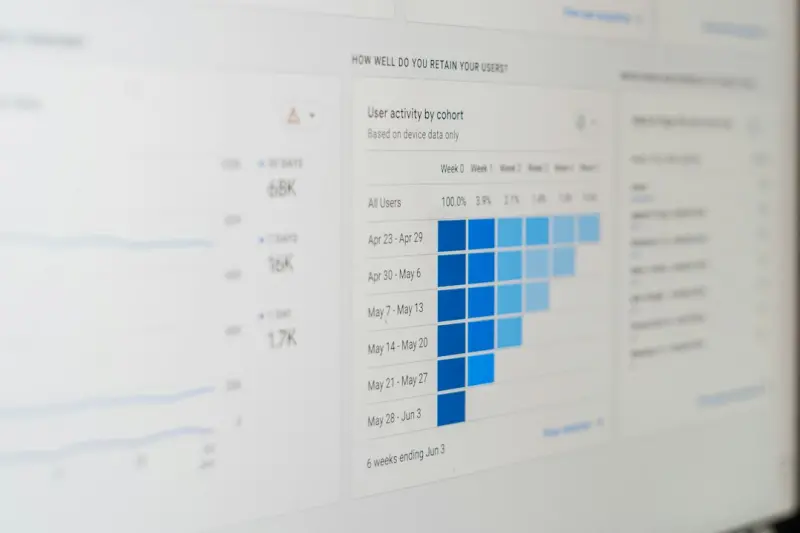
Imagine a dashboard that doesn’t just chart tumor size but also visualizes a patient’s energy levels, emotional checkpoints, and personal milestones (like “first day back at the office” or “grandparent’s birthday”). By weaving quantitative metrics with qualitative moments, the platform becomes a storyboard of recovery rather than a sterile spreadsheet.
Companies building oncology SaaS solutions can embed this storytelling layer by:
- Integrating patient‑generated health data (PGHD) with clinical records, creating a timeline that highlights both medical and personal events.
- Offering narrative templates that guide patients to record reflections, gratitude notes, and goals alongside lab results.
- Utilizing AI to suggest “next‑chapter” recommendations—be it a new support group, a nutrition tweak, or a mindfulness practice—based on trends in the story.
Designing Healing Environments Without the Buzzwords
Physical space plays an underappreciated role in cancer recovery. While I love the concept of “designing spaces that boost brain power,” the challenge is to translate that into a real‑world setting for patients undergoing chemotherapy or radiation. The goal isn’t to create a high‑tech showroom; it’s to craft environments that subtly support the body’s innate healing mechanisms.
Key considerations include:
- Natural Light and Views: Access to daylight helps regulate circadian rhythms, which can improve sleep quality and immune function during treatment cycles.
- Soft Textures and Colors: Gentle hues and tactile materials reduce stress hormones, creating a calmer physiological state.
- Personalization Zones: Allowing patients to bring personal items—photos, favorite books, a small plant—helps anchor them to their identity beyond the disease.
When these elements are thoughtfully combined, the environment becomes a silent ally, reinforcing the narrative of “I am more than my diagnosis.”
The Quiet Power of Soundscapes for Treatment Rooms
Sound is often overlooked in clinical design, yet it can be a potent tool for managing anxiety and pain. In my own infusion sessions, the hum of ventilation and distant conversations felt like an endless backdrop of stress. By curating soundscapes—soft ambient music, nature sounds, or even purposeful silence—we can transform the sensory experience of care.
Research shows that tailored auditory environments can lower perceived pain scores and improve mood. For SaaS platforms, this means adding a feature that lets clinicians prescribe specific sound playlists tied to treatment phases. It also opens the door for patients to select their own auditory companions, reinforcing agency in a setting that often feels disempowering.
Community Micro‑Experiences: Small Wins, Big Impact
Large support groups are invaluable, but they can feel intimidating for newcomers. I’ve found that “micro‑experiences” – short, low‑commitment interactions – can serve as entry points. Think of a 10‑minute virtual coffee with a survivor who shares a single tip, or a quick poll that asks patients what small habit helped them on a tough day.
These bite‑sized moments create a sense of belonging without overwhelming the individual. For product teams, integrating micro‑experience modules into existing platforms can boost engagement and provide data on what types of support resonate most.
Action Steps for Companies to Support Their Teams
Many of us work in organizations where a colleague receives a cancer diagnosis. The ripple effect touches productivity, morale, and company culture. Here are concrete steps leaders can take:
- Normalize Conversations: Offer training that equips managers to discuss health matters with empathy and confidentiality.
- Flexible Work Architecture: Provide options for remote work, adjustable hours, and workload redistribution without stigma.
- Resource Hub: Curate a digital library that includes everything from financial counseling to narrative‑building tools. A well‑structured hub can be the backbone of an employee’s support network.
- Data‑Driven Wellness: Use anonymized health data to identify trends (e.g., increased absenteeism during chemotherapy cycles) and proactively allocate resources.
- Celebrate Milestones: Recognize not just medical milestones but also personal achievements—finishing a project, completing a marathon, or simply “getting out of bed” on a tough day.
When organizations adopt these practices, they shift from being reactive responders to proactive partners in their employees’ health journeys.
Integrating Narrative Medicine into Tech Platforms
One of the most exciting frontiers is merging narrative medicine with digital health solutions. By embedding story‑capture tools directly into electronic health records (EHRs) or patient portals, clinicians can gain richer context without extra paperwork. This also empowers patients to voice what matters most.
For instance, a simple text box titled “What’s on your mind today?” can be linked to AI‑driven sentiment analysis, alerting care teams to heightened anxiety or depression. When paired with the insights from Everyday Storytelling, the system becomes a bridge between clinical data and emotional truth.
Looking Ahead: A Holistic Vision
The future of cancer care isn’t a single breakthrough—it’s an ecosystem where data, design, sound, community, and narrative all intertwine. As we continue to innovate, let’s remember that the ultimate metric of success isn’t just tumor shrinkage but the richness of the stories patients can tell after treatment.
By championing storytelling, personalizing data, crafting healing spaces, and fostering micro‑communities, we can rewrite the script of cancer from “a battle” to “a journey of empowerment.” The tools are already in our hands; it’s a matter of weaving them together with intention.

Nikki McDonald is a freelancer based in Waterloo. She brings her skills and expertise to various projects, balancing her professional work with a personal life that includes her husband, Stewart.
Related Posts

The Impact of Preventive Care on Cancer Treatment Outcomes
Preventive care plays a vital role in the early detection and treatment of cancer. Learn how priorit... Read More
Beyond the Diagnosis: Redefining Work Culture for Cancer Warriors
This article offers a comprehensive playbook for leaders and teams to transform workplace culture, p... Read More
The Role of Nutrition in Cancer Treatment: A Comprehensive Approach
A well-balanced diet can help support the body's natural defenses, reduce the risk of cancer recurre... Read More
Top Posts

Redesigning Your Space: A Blueprint for Everyday Mental Calm
A thoughtfully designed environment can become a silent partner in mental health. Learn how natural light, mindful zones, digital boundaries, and simple aesthet...Read More
Living with Narcolepsy: A Holistic Journey Toward Everyday Vitality
A candid, holistic guide from personal experience on navigating narcolepsy’s challenges, with actionable tips on sleep, nutrition, exercise, and community sup...Read More

Unlocking Hidden Gains: The Neuro‑Science of Muscle Growth
Explore a neuro‑science based approach to muscle gain that leverages motor warm‑ups, micro‑loading, cognitive cues, and brain‑friendly nutrition for fas...Read More

When Nighttime Fear Feels Like a Wrong‑Turned Switch: A Sensory Reset for Sleep Terrors
A personal guide to redesigning your bedroom’s invisible architecture—light, sound, scent, and touch—to calm sleep terrors, backed by simple data tracking...Read More
0 Comments
Post Comment
You will need to Login or Register to comment on this post!