
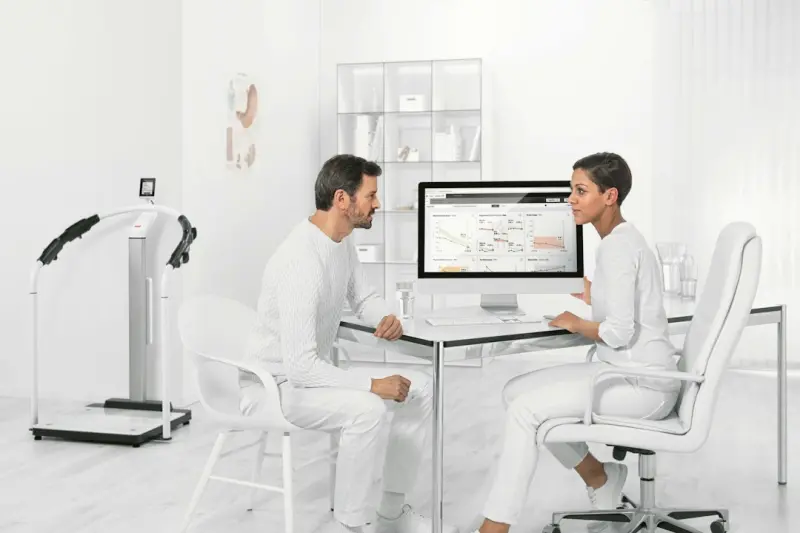
Why Traditional Physiotherapy Needs a Digital Upgrade
For decades, physiotherapy has been anchored in hands‑on assessment, manual techniques, and a prescribed set of exercises that patients perform at home. The model works, but it also leaves a lot of room for guesswork: Are patients truly hitting the correct range of motion? Are they maintaining the right posture between sessions? Is the progression of difficulty aligned with their actual recovery curve? In my years of working on the front lines of rehab, I’ve seen the frustration on both sides of the table when answers are ambiguous. The good news is that we now have the technology to turn those vague impressions into concrete data.
The Rise of AI‑Enhanced Motion Capture
Imagine a therapist watching a patient’s squat through a laptop screen while an algorithm instantly flags deviations, quantifies joint angles, and suggests corrective cues—all in real time. That’s no longer science fiction. Modern motion‑capture systems, built on depth‑sensing cameras and inertial measurement units (IMUs), can track three‑dimensional movement with millimeter precision. When coupled with machine‑learning models trained on thousands of healthy and pathological movement patterns, these systems become a powerful diagnostic ally.
Key benefits include:
- Objective Baselines: A first‑visit scan creates a digital fingerprint of a patient’s biomechanics, providing a clear starting point.
- Dynamic Progress Tracking: Weekly re‑captures generate a visual timeline of improvement, making it easy to celebrate wins or adjust the plan.
- Personalized Feedback: The AI highlights exactly where a movement falters—say, insufficient hip flexion during a lunge—so the therapist can deliver laser‑focused cues.
Virtual Reality: Turning Rehab Into Play
One of the biggest hurdles in home‑based physiotherapy is adherence. When a patient is asked to do three sets of straight‑leg raises, the exercise can feel like a chore. Virtual reality (VR) flips that script. By immersing the user in a game‑like environment, VR encourages repetitive, therapeutic movement without the boredom factor.
For example, a VR scenario might ask the user to reach for floating objects at varying heights, subtly training shoulder elevation and scapular stability. The system records each reach, analyzes the trajectory, and adjusts the difficulty on the fly. This adaptive challenge keeps the patient in the optimal “zone of proximal development,” where effort yields maximal neural adaptation.
Beyond engagement, VR provides a safe, controlled setting for tasks that would be risky in the real world—like balance drills on a simulated narrow beam or gait training on a virtual uneven surface. The therapist can monitor performance remotely, intervene when unsafe patterns emerge, and gradually expose the patient to more complex scenarios as confidence builds.
Wearable Sensors: The Bridge Between Clinic and Home
While motion‑capture rigs are fantastic for in‑clinic assessments, they’re not practical for everyday use. This is where lightweight wearables step in. Small, clip‑on sensors that sync with a smartphone app can capture joint angles, muscle activation, and even ground‑reaction forces during daily activities.
Data from these devices feeds back into the therapist’s dashboard, creating a continuous loop of information. If a patient’s knee valgus spikes during a stair descent, the therapist receives an instant alert and can prescribe a targeted drill before the issue escalates into injury.
Importantly, the data is presented in plain language—think “Your hip extension has improved by 12 % compared to last week.” This transparency empowers patients to take ownership of their recovery, turning passive compliance into active collaboration.
From Generic Plans to Adaptive Algorithms
Traditional exercise programs follow a linear progression: start easy, add reps, increase load. However, human recovery is rarely linear. AI‑driven platforms use reinforcement learning to adapt the program in real time based on the patient’s performance metrics.
Consider a scenario where a patient consistently meets the target range for a hip abduction exercise but struggles with endurance. The algorithm recognizes this pattern and automatically adds low‑intensity endurance work while holding the strength component steady. This fluid adjustment reduces the risk of plateau and keeps the rehab journey moving forward.
Ensuring Safety and Ethical Use
With great data comes great responsibility. Clinicians must maintain a clear boundary between algorithmic suggestions and professional judgment. AI should be viewed as a decision‑support tool, not a replacement for expertise.
Privacy is another critical factor. Wearable data is highly personal, and robust encryption, consent protocols, and transparent data‑use policies are non‑negotiable. Choosing platforms that comply with healthcare regulations (like HIPAA in the United States) safeguards both the patient and the practitioner.
Case Study: A Real‑World Implementation
Last quarter, a mid‑size outpatient clinic integrated an AI‑enhanced motion‑capture system into its knee‑rehab program. Patients performed a standard gait analysis at intake, generating a baseline model. Over eight weeks, the system recorded weekly motion data, automatically adjusting squat depth and step‑length drills based on the patient’s progress.
The outcomes were striking:
- 30 % faster achievement of functional milestones compared to a control group using conventional methods.
- Higher adherence rates, with patients reporting the visual feedback as “motivating.”
- Reduced re‑injury incidents by catching compensatory patterns early.
This example illustrates how technology can amplify, not replace, the therapist’s role, delivering measurable benefits for both provider and patient.
Integrating the Tools Into Your Practice
Adopting these innovations doesn’t require a full overhaul of your clinic overnight. Here’s a practical roadmap:
- Start Small: Introduce a single wearable sensor for a specific patient cohort—perhaps post‑ACL reconstruction.
- Partner With Tech Vendors: Look for companies offering trial periods and robust training for staff.
- Collect Baseline Data: Use the first few weeks to establish reference points and get comfortable interpreting the dashboards.
- Educate Patients: Demonstrate how the data reflects their effort, reinforcing the collaborative nature of rehab.
- Iterate: Review outcomes monthly, tweak protocols, and gradually expand to other injury types.
Beyond Physical Recovery: Cognitive Benefits
When patients engage with VR or interactive sensor games, they’re not just moving their bodies—they’re also training their brains. The dual challenge of motor execution and visual‑spatial navigation stimulates neuroplastic pathways that can accelerate recovery after neurological events such as stroke or concussion.
In fact, research shows that patients who incorporate immersive visual feedback into their rehab exhibit improved balance confidence and reduced fear of movement, two psychological barriers that often impede progress.
Linking to Broader Health Strategies
While this article focuses on physiotherapy, the principles of data‑driven movement optimization intersect with other wellness domains. For instance, understanding how posture influences breathing can inform air quality strategies for families, and the same sensor data can be repurposed to support ergonomic interventions for office workers.
Additionally, the insights gained from motion analytics can complement nutritional approaches. A patient who’s improving hip mobility may also benefit from gut‑health recommendations that reduce systemic inflammation, creating a holistic recovery ecosystem.
Looking Ahead: The Next Frontier
The convergence of AI, VR, and wearable technology is still in its early days, but the trajectory is clear. Future systems will likely incorporate predictive analytics, warning clinicians of potential setbacks before they manifest physically. Imagine a model that detects subtle changes in gait symmetry and forecasts a 70 % chance of overuse injury within the next two weeks, prompting a preemptive intervention.
Moreover, as cloud‑based platforms become more interoperable, data from physiotherapy sessions could seamlessly integrate with broader health records, enabling truly multidisciplinary care pathways.
Takeaway
Physiotherapy is at a crossroads where human expertise meets digital precision. By embracing AI‑enhanced motion capture, immersive VR environments, and continuous wearable monitoring, clinicians can deliver personalized, engaging, and evidence‑based care that extends far beyond the clinic walls. The technology is a catalyst—not a replacement—for the therapeutic relationship that remains at the heart of successful rehabilitation.

Craig Brett is a freelancer with a passion for the outdoors. His love for nature inspires his work, bringing authentic and engaging perspectives to projects related to outdoor activities, adventure, and environmental topics.
Related Posts
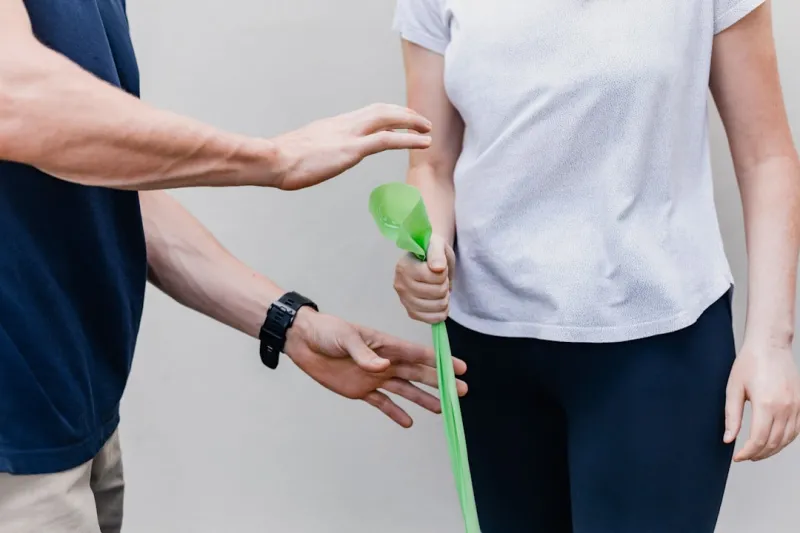
Physiotherapy Trends 2024: Tammy French’s Holistic Blueprint for Movement Mastery
Tammy French shares a fresh, holistic take on physiotherapy, blending movement mastery, nutrition, a... Read More
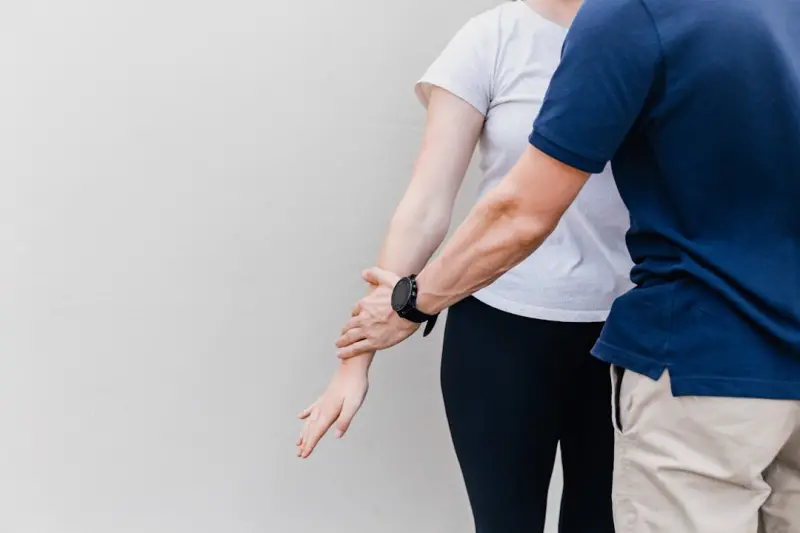
AI‑Powered Physiotherapy: Tailoring Treatment to Your Body’s Signals
AI‑powered physiotherapy blends wearable sensors, real‑time analytics, and therapist expertise t... Read More

Micro‑Movements at the Desk: How Tiny Shifts Can Transform Your Physio Health
Learn how tiny, intentional movements integrated into your workday, combined with AI prompts and sma... Read More
Top Posts

Redefining Longevity: The Quiet Power of Cognitive Flexibility
Explore the science behind cognitive flexibility and its impact on longevity, with practical strategies to train your brain, improve health metrics, and harness...Read More

The Unwritten Roadmap: Navigating Career Momentum While Expecting
A practical guide for expectant professionals to sustain career growth, manage workplace dynamics, and prepare for the transition into parenthood without sacrif...Read More
Micro‑Timing and Micro‑Diversity: A New Blueprint for Everyday Nutrition
Discover a practical nutrition framework that aligns meals with your body’s clock and introduces diverse phytochemicals, helping you achieve steadier energy, ...Read More

Decoding Liver Enzyme Results: A Personal Guide to Understanding and Acting on Your Blood Tests
A personal, science‑backed guide to turning confusing liver enzyme numbers into clear, actionable steps for better health....Read More
0 Comments
Post Comment
You will need to Login or Register to comment on this post!