
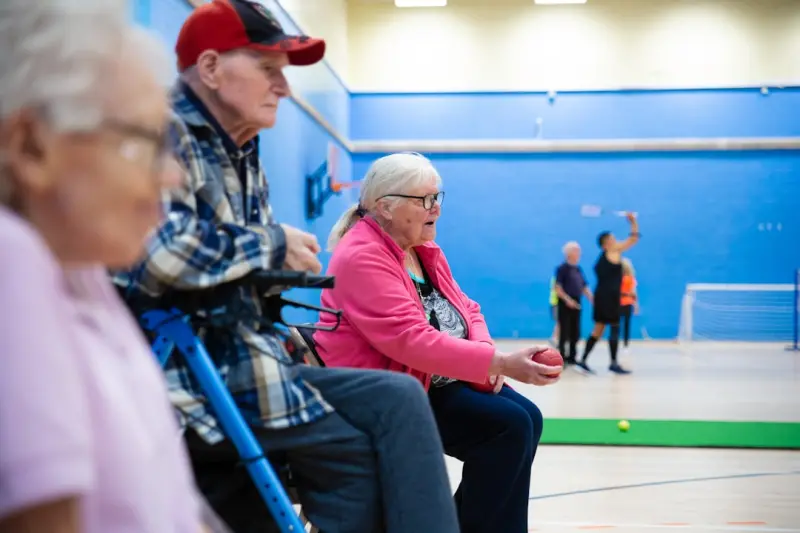
Reimagining Retirement: How Intergenerational Skill Swaps Supercharge Senior Health
When I first stepped away from the fast‑paced world of SaaS startups, I thought retirement would be a quiet, predictable chapter. I imagined mornings filled with crossword puzzles, afternoons with the garden, and evenings with a good book. What I didn’t anticipate was the transformative power of a simple, two‑way exchange: seniors teaching younger folks the art of storytelling, craftsmanship, or even legacy‑building, while younger generations share digital tools and fresh perspectives. This intergenerational skill swap isn’t just a feel‑good community project—it’s a potent catalyst for physical, cognitive, and emotional health in seniors.
Why Skill Swaps Matter for Seniors
Research consistently shows that staying socially engaged and mentally challenged can delay cognitive decline. Yet traditional approaches—like brain‑training apps or memory‑enhancing supplements—often treat the brain as an isolated organ. In reality, the brain thrives on connection. When seniors engage in purposeful teaching or collaborative projects, they experience:
- Neuroplastic reinforcement: The act of explaining a skill forces the brain to retrieve, reorganize, and solidify memories.
- Physical activity: Many traditional crafts—woodworking, gardening, cooking—require movement, improving balance and joint health.
- Emotional uplift: Being valued for expertise boosts self‑esteem, reduces feelings of isolation, and can even lower blood pressure.
In short, the skill swap is a holistic health intervention, blending mental stimulation, gentle exercise, and social belonging into one seamless experience.
The Mechanics of a Successful Swap
Creating a thriving intergenerational exchange doesn’t require a massive budget or a complex platform—just intentional design and a sprinkle of technology to keep things organized.
- Identify Core Skills: Start by cataloguing what seniors love to teach—storytelling, knitting, historical cooking methods, or even financial wisdom. Meanwhile, ask younger participants what they’d like to learn—smartphone basics, social‑media etiquette, or basic coding.
- Matchmaking: Use a simple spreadsheet or a community bulletin board to pair mentors with mentees based on mutual interests. A digital twist can involve a lightweight app that tracks availability and feedback.
- Set Micro‑Goals: Instead of a vague “teach knitting,” define concrete outcomes: “Complete a basic scarf pattern in three sessions.” This keeps participants motivated and provides measurable progress.
- Embed Physical Warm‑Ups: Begin each session with a brief movement routine—light stretching or a short walk. This modest activity reduces stiffness and primes the brain for learning.
- Reflect and Share: End sessions with a quick reflection: What was learned? How did it feel? Capture these insights in a shared journal—digital or paper—to celebrate achievements and identify areas for improvement.
Technology as a Quiet Facilitator
While the heart of the swap is human connection, technology can smooth logistical hurdles and enrich the experience. For example, a simple wearable sensor can monitor heart rate variability during a session, offering real‑time feedback on stress levels. If a senior’s heart rate spikes, the facilitator can suggest a brief breathing exercise, turning data into a supportive cue rather than a clinical intervention.
Another layer is the evolving landscape of health insurance, which is increasingly rewarding preventive community activities. A recent analysis highlighted how insurers are shifting toward “preventive powerhouses,” offering incentives for programs that demonstrably improve wellness beyond claims. By documenting attendance, skill acquisition, and health metrics, senior‑focused organizations can qualify for these incentives, effectively turning community goodwill into tangible financial support.
Stories From the Frontline
Story 1: The Grandfather Who Became a TikTok Star
John, an 78‑year‑old retired carpenter, joined a local library’s “Tech‑Teach” program. He offered lessons on traditional woodworking, while his 22‑year‑old mentee taught him how to shoot and edit short videos. Within weeks, John’s TikTok clips of “hand‑crafted birdhouses” amassed thousands of views, and his confidence skyrocketed. The increased social interaction sparked a noticeable improvement in his sleep quality and a reduction in his previously diagnosed mild hypertension.
Story 2: The Culinary Historian and the Millennial Foodie
Maria, 82, has spent her life perfecting recipes from her hometown in the Mediterranean. Partnering with a college culinary club, she taught students the art of slow‑cooked stews using heritage ingredients. In exchange, the students introduced her to plant‑based protein alternatives and modern plating techniques. Maria reported a renewed appetite, greater mobility from standing longer in the kitchen, and a sense of purpose that kept her emotionally resilient during a challenging health scare.
Measuring Impact: From Anecdotes to Data
To move from heartwarming anecdotes to evidence‑based practice, consider these simple metrics:
- Attendance Frequency: Track how often seniors attend sessions. Consistent participation correlates with lower rates of depressive symptoms.
- Physical Mobility Scores: Use brief functional tests (e.g., chair stand, gait speed) before and after a 12‑week program cycle.
- Cognitive Assessments: Short, validated tools like the Mini‑Cog can gauge changes in executive function.
- Self‑Reported Well‑Being: Simple Likert‑scale surveys capture perceived stress, happiness, and sense of purpose.
Aggregating these data points not only validates the program’s effectiveness but also creates a compelling narrative for funders, insurers, and community partners.
Overcoming Common Barriers
Digital Literacy Gaps: Provide “technology onboarding” workshops before the swap begins. Use tablets with simplified interfaces and large icons.
Physical Limitations: Ensure that activities can be adapted. For example, if a senior has limited hand strength, substitute knitting with storytelling or digital photo archiving.
Scheduling Conflicts: Offer flexible time slots—morning, afternoon, and early evening—to accommodate retirees who may have caregiving responsibilities or part‑time consulting gigs.
Stigma of “Learning from the Young”: Emphasize the reciprocal nature of the exchange. Frame it as “knowledge co‑creation” rather than a one‑way tutoring session.
Scaling the Model: From Neighborhoods to Nations
Local libraries, community centers, and senior living facilities are ideal launchpads. However, the model can be amplified through partnerships with:
- Universities: Service‑learning courses can embed students in senior skill‑swap programs, offering academic credit while expanding the volunteer base.
- Non‑profits: Organizations focused on aging or youth empowerment can co‑brand initiatives, accessing grant funding.
- Corporate CSR Programs: Companies can sponsor technology kits, venue rentals, or provide volunteer hours for employees.
By documenting outcomes and sharing best practices on open platforms, the intergenerational swap becomes a replicable template—one that can adapt to cultural nuances across regions while preserving its core health‑boosting philosophy.
Final Thoughts: A Call to Action
If you’re a senior yearning for renewed purpose, a younger professional hungry for wisdom, or a community leader seeking a low‑cost, high‑impact health initiative, consider launching an intergenerational skill swap in your area. The beauty lies in its simplicity: a shared table, a story, a tool, and the willingness to learn from each other.
In my own journey from tech founder to community catalyst, I’ve discovered that the most powerful health interventions often come wrapped in ordinary moments—a laugh over a mismatched stitch, a sigh of pride after a successfully filmed tutorial, or the quiet satisfaction of passing a family recipe to the next generation. When we honor those moments, we’re not just adding years to life; we’re adding life to years.

Tom Ferguson is a Canadian freelance writer with a passion for storytelling, current events, and thoughtful commentary. Drawing on years of writing experience, he shares engaging insights on a wide range of topics, bringing a uniquely Canadian perspective to his work.
Related Posts

Storytelling for Seniors: Turning Memories into Medicine
A guide for older adults on using personal narratives to sharpen memory, reduce stress, and foster c... Read More

Intergenerational Tech Hubs: A Fresh Path to Senior Vitality
Intergenerational tech hubs blend curiosity, mentorship, and digital tools to boost seniors' mental ... Read More
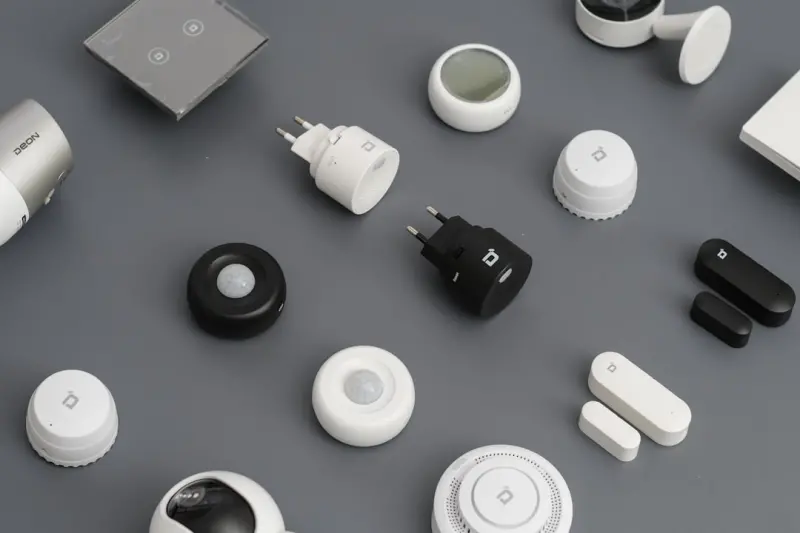
Smart Home, Safer Home: How Connected Tech Empowers Seniors to Age in Place
Smart home technology offers seniors a practical safety net, from motion‑activated lights and voic... Read More
Top Posts
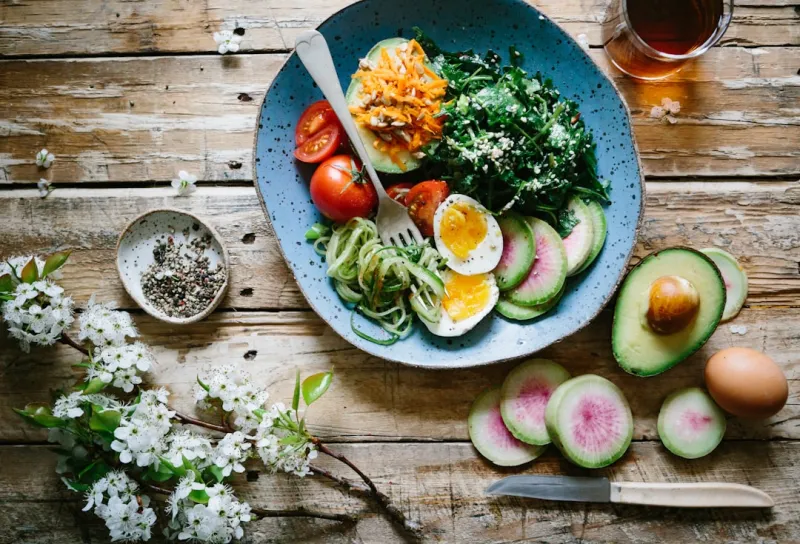
Nikki McDonald’s Holistic Nutrition Blueprint: From Gut Health to Seasonal Eating
Nikki McDonald shares a holistic nutrition roadmap that ties gut health, macro balance, and seasonal foods into a vibrant, sustainable wellness lifestyle.---...Read More
Rewriting the Narrative of Women’s Health: A Holistic Guide
A fresh, holistic perspective on women’s health that blends hormone harmony, restful sleep, gut nutrition, joyful movement, and community support for lasting ...Read More
Prioritizing Mental Health in Seniors: The Unseen Battle
Mental health issues are common in seniors, but often go unaddressed. Learn why prioritizing mental health in seniors is crucial for maintaining overall health ...Read More
The Importance of Mental Health in Seniors: A Comprehensive Approach
Mental health is crucial for seniors' overall wellbeing. Learn about the challenges faced by seniors, ways to promote mental health, and the importance of a com...Read More
0 Comments
Post Comment
You will need to Login or Register to comment on this post!