
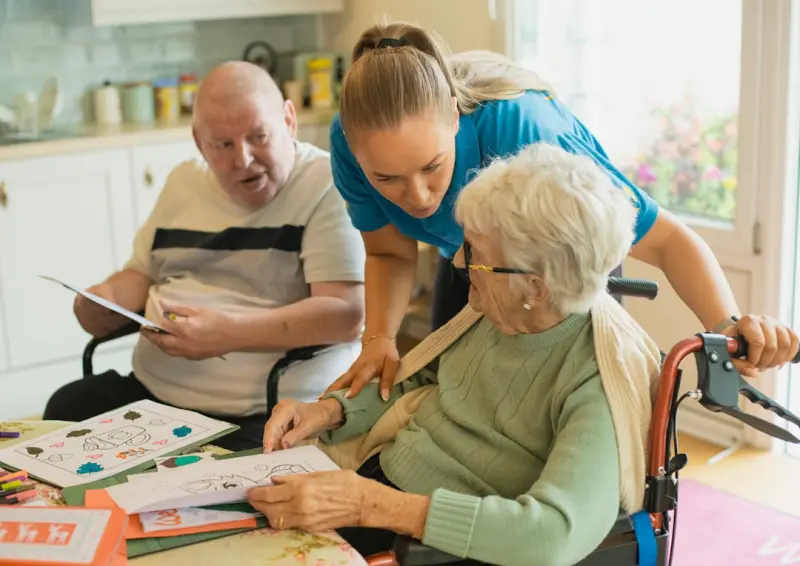
Reimagining the Senior Years: Curiosity, Community, and the Joyful Path to Better Health
When I first started writing about health trends, I was fascinated by the data‑driven breakthroughs that promised to “fix” the body. Over the years, I’ve learned that the most powerful prescriptions often live outside the lab and inside the living room, the garden, and the coffee shop down the street. For seniors, especially, the secret sauce isn’t a new supplement or a cutting‑edge algorithm—it’s a blend of playful curiosity, genuine social connection, and purposeful engagement with the world.
In this piece, I’ll walk you through why embracing curiosity and community isn’t just feel‑good fluff; it’s a scientifically backed strategy that can boost cognition, strengthen the immune system, and even add years to a senior’s life. I’ll share practical, low‑cost ideas that anyone can start today, and I’ll sprinkle in a few tech tools—because when used wisely, technology can amplify, not replace, the human touch.
The Science of Social Interaction in Later Life
Decades of research have shown that social isolation is as harmful to health as smoking ten cigarettes a day. A 2020 meta‑analysis found that seniors who reported strong social ties had a 30% lower risk of mortality compared to those who felt lonely. The mechanisms are surprisingly concrete:
- Neurochemical Boost: Positive social encounters trigger the release of oxytocin and dopamine, hormones that improve mood and support neurogenesis (the growth of new brain cells).
- Stress Buffer: Meaningful relationships reduce cortisol spikes, which otherwise can erode the hippocampus—the brain region critical for memory.
- Immune Modulation: Social engagement has been linked to higher levels of immunoglobulin A, a protein that protects mucous membranes from infection.
What’s fascinating is that these benefits aren’t limited to grand gestures like weekly family dinners. Small, regular interactions—chatting with a neighbor, sharing a joke on a community board, or collaborating on a local project—can generate the same protective effects.
Curiosity: The Engine That Keeps the Brain Running Smoothly
Curiosity is often dismissed as a luxury of youth, but recent brain imaging studies reveal it’s a critical driver of neural plasticity at any age. When seniors explore new hobbies, ask questions, or simply challenge their routine, they stimulate the prefrontal cortex, the part of the brain responsible for planning, problem‑solving, and emotional regulation. This stimulation counters age‑related decline and can even reverse certain cognitive deficits.
In my own experience, a simple shift—like learning to play the ukulele or diving into a mystery novel—sparked a noticeable lift in mental clarity. The key is to keep the curiosity active and purposeful. Rather than scrolling aimlessly, seniors can set weekly “learning quests” that align with personal interests.
Combining Curiosity and Community: The Power of Shared Learning
When curiosity meets community, the effect is multiplicative. A group of seniors who gather to learn a skill together—whether it’s digital photography, gardening, or a new language—creates a feedback loop:
- Motivation Amplifies: Knowing that others are counting on you makes you more likely to stick with the activity.
- Social Reinforcement: Shared successes generate a sense of belonging and collective pride.
- Knowledge Diffusion: Each participant brings unique life experiences, enriching the group’s collective understanding.
This model is at the heart of the “Intergenerational Mentor Circle” I helped launch in a mid‑size city. Seniors paired with high‑school students to teach traditional crafts—knitting, woodworking, storytelling—while the younger participants introduced tech basics and contemporary music trends. The result? Seniors reported improved mood, sharper memory, and a renewed sense of purpose, while teens gained patience and appreciation for history.
Practical Ways to Ignite Curiosity and Build Community
Below are ten actionable ideas that seniors (or their caregivers) can implement right now. They require minimal cost, leverage existing resources, and can be tailored to personal preferences.
1. Curiosity Clubs in Local Libraries
Most libraries already host book clubs; why not expand to “Curiosity Clubs” focused on a rotating theme—astronomy, culinary history, DIY electronics? The structure provides a regular meeting slot, a discussion framework, and a low‑stress learning environment.
2. Community Garden Plots
Gardening is a multisensory activity that engages motor skills, visual perception, and the olfactory system—all essential for maintaining brain health. Seniors can claim a small plot, plant vegetables or herbs, and share harvests with neighbors, turning the garden into a social hub.
3. “Story Swaps” at Senior Centers
Allocate an hour each week for participants to swap personal stories around a theme—“First Jobs,” “Travel Misadventures,” or “Recipes That Saved Me.” Storytelling reinforces memory, encourages emotional expression, and fosters intergenerational empathy when younger volunteers are invited.
4. Skill‑Swap Workshops
Encourage seniors to teach a skill they excel at (e.g., quilting, woodworking) in exchange for learning something new (e.g., basic coding, smartphone photography). This barter system strengthens community bonds and nurtures lifelong learning.
5. Walking “History Tours”
Organize small groups that walk through historic neighborhoods while a guide—often a senior with deep local knowledge—shares anecdotes. Physical activity, fresh air, and mental stimulation combine for a potent health boost.
6. Digital Literacy Circles
Technology can feel intimidating, but when introduced in a supportive group setting, it becomes a bridge rather than a barrier. Pair the smart tech for seniors movement with peer teaching: one tech‑savvy senior mentors a few peers on video calling, health apps, or voice assistants.
7. Collaborative Art Projects
Large‑scale murals, community quilts, or sculpture installations give seniors a tangible sense of contribution. The artistic process releases endorphins, while the collective outcome enhances communal pride.
8. “Ask Anything” Sessions with Experts
Invite local doctors, nutritionists, or financial planners to host informal Q&A evenings. Seniors can prepare questions in advance, satisfying curiosity about health, budgeting, or legacy planning—all while feeling respected as active participants.
9. Virtual Pen‑Pal Networks
Even if physical mobility is limited, seniors can join international pen‑pal programs—digital or snail‑mail—to exchange cultures, language practice, and friendship. The anticipation of a new letter each week can be a delightful routine.
10. Mini‑Retreats Focused on Sensory Exploration
Plan short day‑trips centered on senses: a visit to a botanical garden for scent, a cooking class for taste, a live‑music venue for hearing. Sensory enrichment has been shown to improve mood and cognitive flexibility in older adults.
Tech as a Catalyst, Not a Crutch
While community and curiosity are the foundation, technology can amplify their reach. Wearable health monitors provide real‑time feedback on activity levels, heart rate variability, and sleep quality—data that can spark conversations in senior groups about wellness trends. Simple video‑calling platforms allow grandchildren to “pop in” during storytelling sessions, reinforcing intergenerational bonds.
However, a word of caution: the goal is to use tech as a tool, not a substitute for face‑to‑face interaction. The best tech solutions are those that encourage seniors to step outside, share experiences, and then return with fresh stories to tell.
Measuring Success: Simple Metrics to Track Impact
To know whether your curiosity‑driven community initiative is working, consider tracking a few low‑effort indicators:
- Attendance Consistency: Are participants showing up regularly?
- Self‑Reported Mood: Short weekly surveys (e.g., “On a scale of 1‑5, how cheerful did you feel this week?”)
- Cognitive Mini‑Tests: Simple memory or problem‑solving exercises administered quarterly.
- Social Network Growth: Count the number of new contacts or friendships formed.
Positive trends in these metrics often precede measurable health improvements such as lower blood pressure, better glycemic control, or reduced medication use.
Closing Thoughts: The Legacy of Curiosity
We often think of legacy as something we leave behind—an heirloom, a charitable donation, a family name. But for seniors, the most enduring legacy can be the culture of curiosity and community they cultivate. Each question asked, each story shared, each skill learned becomes a ripple that extends far beyond the individual.
If you’re a senior, a caregiver, or a community organizer, I challenge you to pick one of the ideas above and launch it this month. Invite a neighbor, sign up for a class, plant a seed. Watch how the simple act of being curious—paired with genuine human connection—can transform health, mood, and the very experience of aging.
Because at the end of the day, the most powerful prescription isn’t a pill; it’s a life lived with wonder, together.

Brody Lambert is an emerging freelance writer whose fresh voice and thoughtful approach are quickly making their mark. As a fairly new entrant in the world of freelance writing, Brody brings a blend of curiosity and dedication that fuels every project, crafting stories and content that resonate with authenticity and clarity.
Related Posts
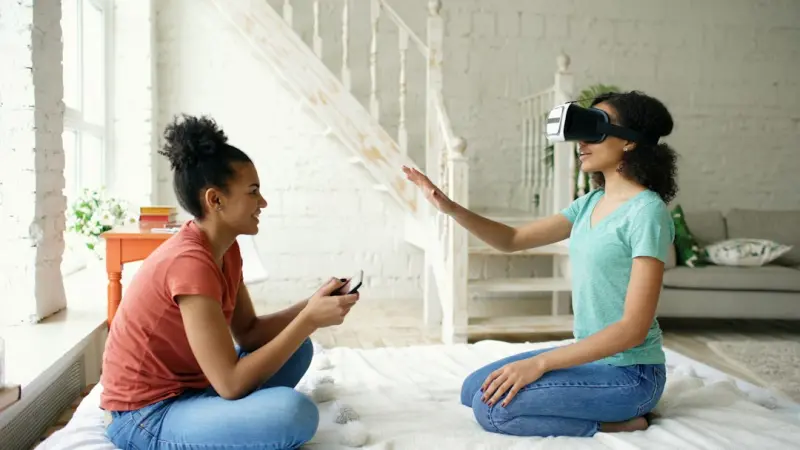
Virtual Communities Boost Senior Cognitive Resilience
Virtual communities provide seniors with meaningful social interaction, micro‑movement breaks, and... Read More
Tiny Balance Drills and Everyday Habits: A Senior’s Blueprint for Independence
Learn how tiny balance exercises, everyday strength tools, mindful breathing, and social connections... Read More
Mental Health Matters: Breaking the Silence on Seniors' Wellbeing
Mental health is crucial for seniors' wellbeing. Learn about the importance of mental health, signs ... Read More
Top Posts

The Holistic Approach to Pregnancy and Mental Health
Pregnancy is a transformative journey that requires a holistic approach to support mental health and wellbeing. Learn how to prioritize self-care, nutrition, an...Read More
Chrononutrition: Syncing Meals with Your Body Clock to Tame Blood Sugar
Learn how aligning meals with your body’s natural clock—known as chrononutrition—can improve insulin sensitivity, reduce glucose spikes, and enhance overa...Read More

When the Gut Calls the Night: Unmasking the Gut‑Brain Axis Behind Sleep Terrors
Sleep terrors often stem from an out‑of‑balance gut‑brain axis. This post reveals how microbiome health, blood‑sugar stability, and mindful evening rout...Read More
The Longevity Playbook: Future‑Proofing Your Career in a Rapidly Changing World
A strategic guide that blends physical vitality, cognitive agility, and purpose to help professionals sustain peak performance and adapt to evolving workplace d...Read More
0 Comments
Post Comment
You will need to Login or Register to comment on this post!