
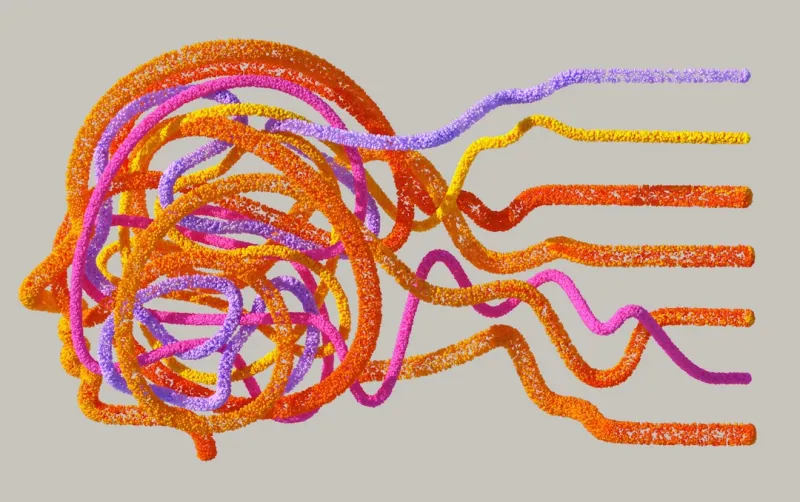
The Gut-Brain Connection: A Holistic Approach to Gut Health
The human body is a complex system, and one of the most fascinating connections within it is the gut-brain axis. The gut and the brain are intricately linked, and research has shown that the health of our gut microbiome has a profound impact on our overall well-being. A healthy gut microbiome is essential for proper digestion, immune function, and even mental health. In this article, we'll explore the importance of gut health and how a holistic approach can help you achieve a balanced gut.
The gut microbiome is made up of trillions of microorganisms that live in our digestive tract. These microorganisms play a crucial role in breaking down food, absorbing nutrients, and regulating the immune system. An imbalance of the gut microbiome, also known as dysbiosis, has been linked to a range of chronic health conditions, including irritable bowel syndrome (IBS), inflammatory bowel disease (IBD), and even mental health disorders such as anxiety and depression. The intersection of mental health and chronic conditions is a critical area of study, and research has shown that the gut microbiome plays a key role in this connection.
The Impact of Diet on Gut Health
Diet plays a significant role in shaping the gut microbiome. A diet high in processed foods, sugar, and unhealthy fats can disrupt the balance of the gut microbiome, leading to dysbiosis. On the other hand, a diet rich in whole foods, fruits, vegetables, and whole grains can help promote a healthy gut microbiome. Fiber, in particular, is essential for feeding the good bacteria in the gut, promoting a diverse and balanced microbiome.
Some of the best foods for gut health include:
- Leafy greens such as spinach and kale
- Fruits such as berries and apples
- Legumes such as beans and lentils
- Whole grains such as brown rice and quinoa
- Nuts and seeds such as almonds and chia seeds
In addition to incorporating these foods into your diet, it's also essential to limit or avoid foods that can disrupt the gut microbiome, such as processed meats, sugary drinks, and refined carbohydrates.
The Role of Stress in Gut Health
Stress is another critical factor that can impact gut health. Chronic stress can disrupt the balance of the gut microbiome, leading to dysbiosis and a range of digestive issues. Exercise is a powerful tool for managing stress and anxiety, and research has shown that regular exercise can help promote a healthy gut microbiome.
In addition to exercise, other stress-reducing techniques such as meditation, yoga, and deep breathing can also help promote gut health. It's essential to find healthy ways to manage stress, as chronic stress can have a profound impact on overall health and well-being.
The Importance of Probiotics and Prebiotics
Probiotics and prebiotics are two essential components of a holistic approach to gut health. Probiotics are live bacteria and yeasts that are similar to the beneficial microorganisms found in the gut. They can be found in fermented foods such as yogurt, kefir, and sauerkraut, or taken as supplements. Prebiotics, on the other hand, are non-digestible fibers that feed the good bacteria in the gut, promoting a healthy and balanced microbiome.
Some of the best probiotic-rich foods include:
- Yogurt
- Kefir
- Sauerkraut
- Kimchi
- Miso
Prebiotic-rich foods include:
- Asparagus
- Bananas
- Onions
- Garlic
- Whole wheat bread
Incorporating these foods into your diet can help promote a healthy gut microbiome and support overall health and well-being.
The Connection Between Gut Health and Chronic Conditions
Research has shown that an imbalance of the gut microbiome is linked to a range of chronic health conditions, including IBS, IBD, and mental health disorders. Chronic inflammation is a critical component of many chronic health conditions, and research has shown that the gut microbiome plays a key role in regulating inflammation.
In addition to IBS, IBD, and mental health disorders, an imbalance of the gut microbiome has also been linked to other chronic health conditions, including:
- Obesity and metabolic disorders
- Autoimmune diseases such as rheumatoid arthritis and lupus
- Cardiovascular disease
- Neurodegenerative diseases such as Alzheimer's and Parkinson's
A holistic approach to gut health can help promote a balanced gut microbiome, reducing the risk of these chronic health conditions.
A Holistic Approach to Gut Health
A holistic approach to gut health involves looking at the whole person, not just the symptoms. It involves addressing diet, lifestyle, and environmental factors that can impact gut health. This approach recognizes that the gut microbiome is just one part of a complex system, and that overall health and well-being depend on a delicate balance of multiple factors.
In addition to dietary changes, a holistic approach to gut health may involve:
- Stress-reducing techniques such as meditation and yoga
- Exercise and physical activity
- Probiotics and prebiotics
- Lifestyle changes such as getting enough sleep and staying hydrated
By taking a holistic approach to gut health, individuals can promote a balanced gut microbiome, reduce the risk of chronic health conditions, and support overall health and well-being.
Conclusion
The gut-brain connection is a critical area of study, and research has shown that the health of our gut microbiome has a profound impact on our overall well-being. A holistic approach to gut health involves looking at the whole person, not just the symptoms, and addressing diet, lifestyle, and environmental factors that can impact gut health. By incorporating probiotics and prebiotics, reducing stress, and making dietary changes, individuals can promote a balanced gut microbiome and support overall health and well-being.
By prioritizing gut health, individuals can take a proactive approach to their health, reducing the risk of chronic health conditions and promoting overall well-being. Whether you're looking to improve your digestive health, manage stress and anxiety, or simply feel your best, a holistic approach to gut health can help.
Future Directions
As research continues to uncover the complexities of the gut-brain axis, it's clear that gut health will play an increasingly important role in our understanding of overall health and well-being. Future directions in gut health may involve:
- Further research on the role of the gut microbiome in chronic health conditions
- The development of new probiotics and prebiotics
- A greater emphasis on prevention and early intervention in gut health
By staying up-to-date with the latest research and developments in gut health, individuals can take a proactive approach to their health, promoting a balanced gut microbiome and supporting overall well-being.

William Roy is a freelance writer originally from Montreal who moved to Ottawa with his wife of 50 years to be closer to their grandkids. Alongside his writing, William has a passion for fishing.
Related Posts
Microbiome Resilience: Turning Your Gut into a Stress‑Proof Engine
Discover practical, science‑backed tactics to fortify your gut against workplace stress, boost foc... Read More
The Microbial Muse: How Gut Health Fuels Creative Excellence in SaaS
A fresh look at gut health reveals its powerful influence on creativity and mental agility, offering... Read More

Why Your Gut is the Silent CEO of Your Business Decisions
Your gut isn’t just a digestive organ—it’s a strategic partner influencing risk tolerance, cre... Read More
Top Posts

Nutrition and Mental Health During Pregnancy: A Holistic Approach
A holistic approach to nutrition and mental health during pregnancy is essential for promoting overall wellbeing and reducing the risk of complications. Learn h...Read More
Heat, Cold, and the Longevity Switch: How Hormetic Temperature Stress Extends Life
A deep dive into how moderate, intentional exposure to cold and heat triggers hormetic pathways—like brown fat activation and heat‑shock proteins—that boo...Read More
Living with Autoimmune Disease: Turning Chaos into Data‑Driven Narrative
A practical guide that blends personal narrative, data tracking, digital health tools, and community support to help those with autoimmune disease turn unpredic...Read More

Redesigning Your Weight‑Loss Journey: A Story‑Centric, Environment‑First Blueprint
A new weight‑loss roadmap that treats your body as the hero of a story, reshapes your space for passive movement, and uses micro‑habits to fuel sustainable ...Read More
0 Comments
Post Comment
You will need to Login or Register to comment on this post!