
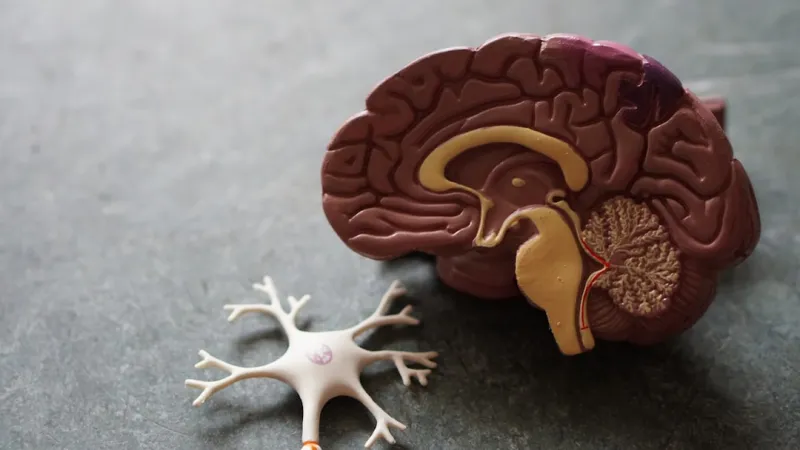
Why Brain Health Deserves a Front‑Row Seat in Your Wellness Routine
When I first started tracking my own health metrics, I quickly realized that the brain isn’t just the command center—it’s the catalyst for every habit I try to build. Neuroplasticity isn’t a buzzword; it’s the science that lets us rewire stress responses, sharpen memory, and sustain motivation long after the initial excitement fades. Yet most of us treat our minds like an afterthought, focusing on cardio or protein without nurturing the neural pathways that actually drive those actions.
The Daily Habits That Supercharge Cognitive Function
One of the simplest, most powerful tools in my arsenal is the deliberate pairing of movement with mindful breathing, a practice that spikes cerebral blood flow while calming the sympathetic nervous system. I’ve found that a brisk 20‑minute walk, followed by five minutes of focused diaphragmatic breathing, can boost attention span for the rest of the day—something I wrote about in my insomnia roadmap, where sleep quality directly impacted mental clarity. Adding a splash of omega‑rich foods, like wild salmon or chia seeds, supports the myelin sheath that speeds neural transmission, turning everyday tasks into smooth, efficient operations.
Nutrition: Fueling the Brain Beyond Calories
Most diet plans focus on macros, but the brain runs on micronutrients that are often overlooked. Antioxidants found in berries, flavonoids in dark chocolate, and the B‑vitamins in leafy greens collectively protect against oxidative stress, a silent saboteur of memory and mood. I discovered this while experimenting with the principles outlined in my holistic nutrition guide, learning that a colorful plate isn’t just Instagram‑worthy—it’s neuroprotective.
Sleep: The Unrivaled Reset Button for Brain Health
Sleep is the brain’s nightly housekeeping service, clearing out metabolic waste and consolidating memories. When I began ignoring sleep in pursuit of more “productive” hours, I noticed a fog that no caffeine could lift. Restoring a consistent bedtime routine, complete with dim lighting and a screen‑free buffer, reinstated the brain’s natural rhythm, allowing the hippocampus to file away new information efficiently.
Stress Management: Turning Pressure into Performance
Chronic stress floods the brain with cortisol, eroding synaptic connections and impairing executive function. I’ve learned to transform stress from a destructive force into a performance enhancer by employing brief “micro‑meditations” throughout the day—just 60 seconds of focused attention on the breath. This habit not only calms the amygdala but also primes the prefrontal cortex for clearer decision‑making, turning moments of pressure into opportunities for growth.
Social Connection: The Brain’s Secret Superfood
Human interaction stimulates the release of oxytocin and dopamine, chemicals that reinforce learning pathways and bolster emotional resilience. Even a quick phone call with a trusted friend can ignite these neurochemical cascades, offsetting the detrimental effects of isolation. In my experience, nurturing relationships has been as vital to cognitive health as any supplement, reminding me that the brain thrives on connection as much as on nutrients.
Physical Exercise: Building a Brain‑Fit Body
Aerobic activity doesn’t just burn calories; it triggers the production of brain‑derived neurotrophic factor (BDNF), a protein that fuels the growth of new neurons. I’ve alternated between high‑intensity interval training and steady‑state cardio to keep BDNF levels elevated, noticing improvements in focus and problem‑solving speed. Complementing cardio with strength training also supports the musculoskeletal system, ensuring that the body can sustain the mental work it demands.
Mind‑Body Practices: Merging Thought and Motion
Yoga, tai chi, and similar disciplines synchronize breath with movement, creating a feedback loop that enhances proprioception and mental clarity. When I incorporated a short vinyasa flow into my morning routine, I experienced a measurable rise in my working memory, likely due to the combined effects of gentle cardio, balance work, and meditative focus. These practices remind us that the brain and body are not separate entities but parts of an integrated whole.
Technology: Leveraging Apps Without Becoming a Slave
Digital tools can be allies in tracking sleep patterns, mood fluctuations, and cognitive performance, but they can also become distractions that fragment attention. I use a minimalist habit‑tracking app to log my brain‑boosting activities, setting gentle reminders rather than intrusive alerts. By keeping the tech interface clean and purpose‑driven, I preserve the brain’s capacity for deep work while still gaining valuable data insights.
Putting It All Together: A Holistic Blueprint for Brain Longevity
The ultimate recipe for sustained brain health is a balanced symphony of movement, nutrition, rest, stress regulation, social interaction, and mindful technology use. Each element reinforces the others: better sleep sharpens focus, which makes exercise feel easier; richer social ties boost mood, encouraging healthier food choices. By viewing brain health as an interconnected ecosystem rather than a series of isolated tasks, we empower ourselves to thrive mentally and physically for years to come.

Tom Ferguson is a Canadian freelance writer with a passion for storytelling, current events, and thoughtful commentary. Drawing on years of writing experience, he shares engaging insights on a wide range of topics, bringing a uniquely Canadian perspective to his work.
Related Posts

Cultivating Cognitive Vitality Through Micro‑Learning
Micro‑learning—short, focused knowledge bites—offers a practical roadmap to enhance brain heal... Read More

Cultivating a Brain‑Boosting Microbiome: How Your Gut Fuels Cognitive Sharpness
A thriving gut microbiome fuels the brain’s performance. Learn actionable steps—fiber, fermented... Read More
Rebooting Your Brain: Strategies for Cognitive Vitality in a Hyperconnected Era
Learn a four‑pillar system—digital hygiene, neuro‑nourishment, structured cognitive play, and ... Read More
Top Posts

Reimagining Home Spaces: How Environment Shapes Vitality in Later Life
A fresh look at how intentional home design, subtle sensory cues, and smart technology can transform everyday spaces into allies for healthy aging, enhancing sa...Read More

Rewriting Your Weight Story: How Narrative Therapy Fuels Sustainable Fat Loss
A fresh take on weight loss shows that changing the story you tell yourself—seeing yourself as a hero rather than a victim—can rewire habits, boost motivati...Read More

From Frustration to Freedom: My Holistic Path to Sustainable Weight Loss
A personal, holistic guide to weight loss that moves beyond diets, focusing on gut health, joyful movement, and sustainable lifestyle changes....Read More
The Narrative Blueprint: Storytelling Strategies for a Sharper, Healthier Mind in Later Years
Learn practical storytelling techniques, micro‑projects, and social circles that turn everyday moments into cognitive workouts, supporting sharper thinking an...Read More
0 Comments
Post Comment
You will need to Login or Register to comment on this post!