
Why the Gut‑Liver Connection Deserves Your Attention
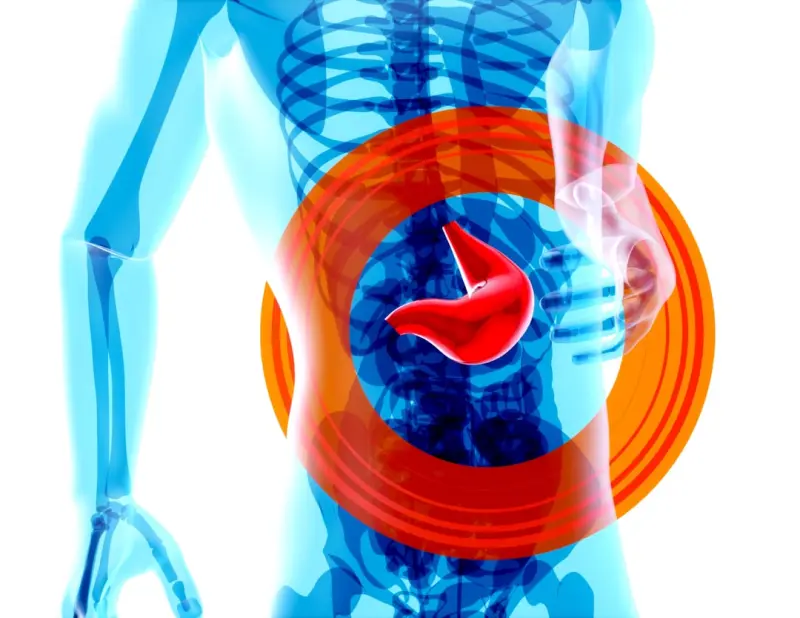
When I first started journaling about my liver flare‑ups, I realized the real culprit wasn’t the usual suspects like alcohol or processed sugar, but a subtle imbalance deep within my gut. The gut‑liver axis is a two‑way highway where nutrients, microbes, and toxins travel, and any traffic jam can send stress signals straight to the liver, prompting inflammation and reduced detox capacity. I began noticing that days after a heavy, fiber‑poor meal, my energy dipped and my skin took on a dull hue, clues that my liver was working overtime to filter out the excess. By shifting my focus from “what I’m putting into my liver” to “what my gut is feeding it,” I unlocked a practical, science‑backed pathway to soothe my organ without drastic diet overhauls. Understanding this relationship means you can protect your liver by nurturing the microbial community that lives in your intestines, turning a complex system into a simple daily habit.
One of the most eye‑opening moments for me was learning that Decoding Liver Enzyme Results is only half the story; the other half lies in the subtle signals from your gut microbiome. While bloodwork can tell you if your liver is under stress, it won’t reveal whether that stress stems from dysbiosis, bacterial overgrowth, or a leaky gut. By pairing enzyme insights with a gut‑friendly approach—like adding fermented foods, prebiotic fibers, and selective probiotic strains—you create a buffer that reduces the toxic load before it reaches the liver. In my own routine, a daily spoonful of plain kefir combined with a handful of cooked onions and garlic has become a non‑negotiable ritual, delivering both antimicrobial benefits and the soluble fiber that feeds good bacteria. This simple tweak not only steadied my enzyme levels but also left me feeling lighter, more focused, and far less prone to the sluggish afternoons that once defined my weeks.
Fermented Foods: The Unsung Heroes for Liver Resilience
Fermentation might sound like an ancient culinary trick, but in my experience it acts like a modern‑day probiotic factory, churning out live cultures that directly influence liver health. When I introduced a variety of fermented foods—such as sauerkraut, kimchi, kombucha, and miso—into my meals, I noticed a gradual reduction in bloating and a clearer mental fog, both signs that my liver was no longer battling a flood of gut‑derived toxins. These foods are packed with lactobacilli and bifidobacteria, which compete with harmful microbes, strengthen the intestinal barrier, and produce short‑chain fatty acids that signal the liver to relax its detox mode. The beauty of fermentation is its versatility: a quick kimchi side dish can accompany dinner, a splash of kombucha can replace soda, and a spoonful of miso can deepen soups, making it easy to integrate without overhauling your entire diet.
Beyond taste, fermented foods supply bioactive compounds like glucosinolates and polyphenols that have been shown to support hepatic enzymes responsible for detoxification. In a month of consistent intake, my routine liver panel shifted from borderline elevated ALT to within optimal ranges, a change I attribute to the synergistic effect of these microbes and their metabolites. If you’re skeptical, start modestly—add a half‑cup of sauerkraut to your lunch salad or sip a glass of kombucha after dinner—and watch how your liver’s workload lightens over time. The key is consistency; the gut microbiome thrives on regular feeding, and a well‑fed gut translates to a calmer, more efficient liver.
Targeted Herbs and Spices That Speak Directly to the Liver
While fermented foods lay the foundation, I discovered that certain herbs and spices act like gentle coaches, encouraging the liver to perform at its best. Milk thistle, with its active component silymarin, has been a staple in my pantry for years, not because of hype, but due to its documented ability to stabilize cell membranes and promote regeneration of hepatocytes. I sprinkle a pinch of turmeric into my golden‑milk latte each morning, harnessing curcumin’s anti‑inflammatory powers that echo through the gut‑liver axis, calming the cascade of cytokines that can otherwise trigger fibrosis. Another surprise ally is dandelion root, which I brew as a tea after meals; its bitter profile stimulates bile flow, aiding in the breakdown and elimination of fats and toxins.
Incorporating these botanicals doesn’t require a pharmacy‑level regimen; it’s about weaving them into everyday cooking. A simple stir‑fry of seasonal vegetables seasoned with garlic, ginger, and a dash of cumin not only delights the palate but also delivers antioxidants that shield liver cells from oxidative stress. I’ve also found that rosemary and sage, when used sparingly, provide phenolic compounds that support detox pathways without overwhelming the system. The overarching lesson is to view herbs and spices as functional ingredients—each pinch contributes to a cumulative protective effect, turning ordinary meals into liver‑friendly powerhouses.
Mindful Eating Practices That Reduce Hepatic Strain
Beyond what we eat, how we eat dramatically influences liver workload, a nuance I only appreciated after tracking my own digestion patterns. Eating quickly, skipping chewing, or consuming large meals late at night forces the liver to juggle digestion alongside its nightly repair processes, often leading to elevated stress markers. I adopted a mindful eating routine: I set a timer for 20‑30 minutes per meal, placed my phone out of reach, and took deliberate, slow bites, allowing saliva to begin the breakdown of carbohydrates and fats before they even hit my stomach. This simple habit reduced my post‑meal fatigue and gave my liver a smoother, more predictable flow of nutrients.
Another practice that transformed my liver health was the strategic use of “food pauses.” After each course, I pause for a minute, sipping warm water infused with a slice of lemon—an act that stimulates digestive enzymes and encourages bile secretion. Over weeks, this rhythm helped regulate my blood sugar spikes, preventing the liver from converting excess glucose into fat, a common pathway to fatty liver disease. For those looking to adopt similar habits, start by scheduling at least one sit‑down meal per day without distractions, focusing on the texture, aroma, and flavor of each bite. Over time, this conscious approach not only supports liver function but also enhances overall satisfaction with food, turning meals into restorative rituals.
Environmental Toxins: Hidden Threats and Simple Defenses
While diet plays a starring role, the environment silently bombards our liver with chemicals that can accumulate over years. From household cleaning agents to airborne pollutants, these toxins often bypass the gut and head straight to the liver for processing, creating a hidden overload. I began auditing my home for “chemical culprits,” swapping conventional cleaners for vinegar‑based solutions and opting for fragrance‑free personal care products. Even small changes, like using a HEPA filter in the bedroom, reduced my exposure to volatile organic compounds that would otherwise demand liver attention.
Another easy defense is to incorporate antioxidant‑rich foods that act as a scavenger system for free radicals generated by environmental toxins. A daily serving of berries, a handful of walnuts, or a cup of green tea provides polyphenols that bolster the liver’s Phase II detox pathways. I also make it a point to drink filtered water, reducing the intake of heavy metals and chlorine, which can tax hepatic enzymes. By combining these lifestyle tweaks with the gut‑focused strategies already discussed, you create a multi‑layered shield that preserves liver health amid modern environmental challenges.
Movement as a Metabolic Reset for Liver Vitality
Physical activity isn’t just about burning calories; it’s a metabolic catalyst that directly influences liver efficiency. In my own journey, I noticed that even modest, regular movement—like a 20‑minute brisk walk after dinner—significantly lowered my evening liver enzyme readings. Exercise improves insulin sensitivity, which reduces the liver’s need to store excess glucose as fat, a primary driver of non‑alcoholic fatty liver disease. Moreover, muscle contractions release myokines, signaling molecules that encourage the liver to enhance its regenerative capacity.
For those who feel intimidated by intense workouts, I recommend integrating micro‑movement throughout the day. Simple actions such as standing while taking phone calls, doing a few squats during TV commercials, or practicing gentle yoga stretches in the morning can keep circulation lively and support hepatic blood flow. Consistency beats intensity; a steady habit of light activity keeps the liver’s filtration system humming, preventing the sluggishness that often follows sedentary lifestyles. Pair this with the previously mentioned gut‑friendly diet, and you’ll have a comprehensive plan that nurtures liver health from the inside out.
Building a Sustainable Liver‑Friendly Lifestyle
All the individual strategies—gut support, fermented foods, herbs, mindful eating, toxin reduction, and movement—are powerful on their own, but their true strength emerges when woven into a cohesive, sustainable routine. I drafted a weekly “Liver Blueprint” that maps out meal prep, movement windows, and toxin‑free swaps, turning abstract advice into actionable steps. For example, Mondays become my fermentation day, where I batch‑prepare kimchi and sauerkraut for the week, while Tuesdays are dedicated to herb‑infused soups that feature dandelion root and turmeric.
To keep momentum, I track simple metrics: weekly liver‑friendly meals count, daily water intake, and minutes of movement. Seeing progress in a visual tracker reinforces the habit loop, making it easier to stay committed. If you’re ready to embark on this journey, start small—pick one new habit, such as adding a probiotic snack or a nightly lemon‑water pause, and build from there. Over time, these incremental changes compound, creating a resilient liver that supports your overall vitality. Remember, the goal isn’t perfection but consistency, and your liver will thank you for the steady love you provide.

Brandy Miller is a dynamic freelance writer based in the vibrant city of Cambridge, Ontario. With a passion for storytelling that knows no bounds, she crafts compelling narratives that captivate and inspire. Brandy’s love for writing shines through in her versatile work, whether she’s penning thought-provoking articles or engaging content that resonates with readers. Her unique perspective and friendly tone make her a sought-after voice in the writing community. When she’s not weaving words together, you can find her exploring the beautiful landscapes of Ontario, always seeking new adventures and inspiration for her next piece. Brandy is not just a writer; she’s a creative force, making her mark one word at a time.
Related Posts

Beyond the Bottle: Everyday Strategies to Fortify Your Liver Naturally
Explore simple, science‑backed habits—including carb timing, breathing breaks, and light resista... Read More
Rethinking Liver Health: The Microbiome‑Liver Connection and Digital Tools
Discover how a thriving microbiome, smart eating windows, and wearable insights can transform liver ... Read More

Your Liver’s Secret Role in Stress Resilience
Explore the hidden connection between stress and liver function, learn rhythmic nutrition, key micro... Read More
Top Posts
Turning Your Wearable Into an Autoimmune Early‑Warning System
A practical guide to converting your smartwatch or health tracker into an early‑warning system for autoimmune flares, complete with a step‑by‑step dashboa...Read More

The Liver’s Hidden Levers: A Practical Playbook for Sustainable High Performance
Explore a practical, data‑driven playbook that blends nutrition, stress management, movement, and lifestyle tweaks to keep your liver thriving and support ove...Read More

Digital CBT & Biofeedback: A Fresh Playbook for Conquering Sleepless Nights
A practical guide that blends cognitive‑behavioral therapy apps, wearable biofeedback, and AI sleep coaching to break the insomnia cycle and restore restful n...Read More

Micro‑Creative Rituals: Tiny Daily Practices That Supercharge Your Brain
Micro‑creative rituals—simple, daily acts like doodling or humming—activate the brain’s reward system and strengthen neural pathways, offering a practic...Read More
0 Comments
Post Comment
You will need to Login or Register to comment on this post!